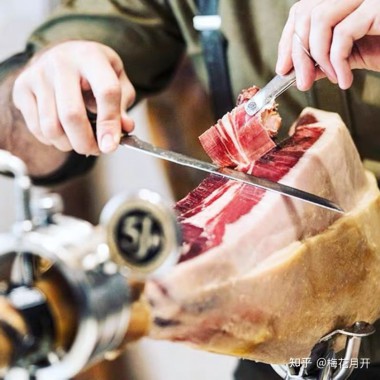
When it comes to life in Spain, cured ham is an absolutely essential topic. This delicacy, renowned for its unique craftsmanship, is not only commonly seen on Spanish tables but is often a delightful discovery for many when first introduced to Spanish culinary culture. So, what exactly is the charm of Spanish cured ham? How can one distinguish and select high-quality cured ham? Let’s share some of my knowledge and personal experiences.
Main Types of Cured Ham
Spanish cured ham mainly divides into two categories: Iberian ham and Serrano ham. They differ significantly in taste, raw materials, and price. Generally, Iberian ham comes from Iberian black pigs fed on acorns, resulting in smooth texture and rich aroma, while Serrano ham usually uses white pigs and is more affordable, though the flavor naturally differs.
| Type | Main Raw Material |
|---|
| Iberian Ham | Iberian Pig |
| Serrano Ham | White Pig |
Within these two categories, Iberian ham can be further classified based on the pigs’ living environment and diet, leading to varying prices and quality.
Tradition and Innovation in Ham Production
The production of cured ham is a bridge connecting traditional craftsmanship and modern science. Every step—from selecting pigs, raising, slaughtering, curing to drying—affects the final flavor. For instance, the most authentic Iberian ham must come from purebred black pigs freely roaming in oak forests. The curing process requires strict control over salt and temperature; large hams often dry for 18 to 36 months, with regular turning and inspection throughout.
How to Choose Spanish Cured Ham?
Picking the right cured ham is not easy. First, check the label: high-quality Iberian ham will have the Denominación de Origen Protegida certification. Then, observe the appearance—good hams have evenly distributed fat, dark red meat color, and visible marbling. A little trick is to gently smell the ham for pure nutty aroma. Lastly, ask the seller about the drying time, as different maturation periods produce various aroma layers.
Tip: Imported Spanish cured ham can also be found in some supermarkets abroad, but price and flavor usually differ greatly from local ones. It’s highly recommended for visitors or residents in Spain to experience boneless ham slices at a local butcher’s shop—it’s absolutely addictive!
Everyday Storage and Consumption
Once opened, if Spanish cured ham is not stored properly, it can spoil easily. The simplest way is to cover it with a ham cloth specially designed for this purpose and keep it in a cool, dry place. Try to finish sliced ham within one or two days; leftover bones can be used to make broth or stews, truly making the most of it.
Feel free to share your thoughts or interesting stories about Spanish cured ham in the comments below, or recommend trustworthy local ham shops so we can exchange food-loving experiences together!
