Detailed Explanation of the Spanish Artisanal Ham Supply Chain
Hello everyone, today I want to talk about one of Spain’s most iconic local delicacies — the supply chain of artisanal ham. Having lived in Spain for several years, I often see various types of ham at markets, supermarkets, and butcher shops, with prices and flavors varying widely. Actually, authentic artisanal ham goes through many stages from the farm to the table, each step affecting the final quality. I hope this post can help you better understand the story behind the ham.
1. Farms and Livestock Basics
The first step in Spanish ham production is of course pig farming. The most famous is the Iberian black pig, and premium ham mostly comes from natural farms located in regions like Andalusia and Extremadura. Traditionally, the black pigs graze in mountainous areas, feeding on acorns and pasture, which influences the fat and meat flavor. The farming cycle is generally long, especially for top-quality ham, where pigs need enough time to exercise and accumulate fat. According to butchers, pork tastes richer in winter.
2. Slaughtering, Curing, and Traditional Techniques
Once the pigs mature, slaughtering, cutting, and curing follow. Curing usually involves only sea salt, manual turning, and strict temperature and humidity control. The production of premium artisanal ham follows traditional methods, with some brands preserving century-old family recipes. This step is very critical for controlling meat texture and saltiness. If curing is done improperly, it can lead to an unbalanced flavor in the ham. After curing, the ham is cleaned and air-dried, often for 12 to 36 months or even longer.
3. Grading, Transport, and Sales Distribution
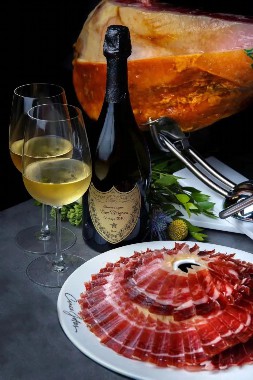
Artisanal hams are graded based on breed, feed, drying time, and other factors, with common labels like Bellota and Cebo. Different grades affect the final price and flavor. Mature hams are transported via cold chain or at ambient temperature to wholesale markets, delicatessens, and restaurants. Many premium hams carry special origin certification marks. In major city supermarkets and gourmet shops, whole legs are often displayed hanging to allow consumers to learn about their origin and craftsmanship.
| Supply Chain Stage | Key Characteristics |
|---|
| Farming | Regional traits, natural farms, mainly acorn-fed |
| Curing | Sea salt curing, handmade drying, lengthy process |
| Grading | Differentiated by origin and feed, graded sales |
| Distribution | Multi-channel: wholesale markets, butcher shops, restaurants |
4. How to Choose Quality Spanish Ham
As a general consumer, how can you select quality artisanal ham? Consider these details: first, look for origin certification on the packaging; second, observe the ham’s surface shine and distribution of marbling; third, if the store offers Spanish Artisanal Ham Supplying Countries and Spanish Artisanal Ham Suppliers tasting opportunities, trying the aroma and taste in person is very helpful. Some deli shops offer thin-sliced ham by weight, which is more expensive than whole legs but suitable for beginners. If unsure, ask the staff — they are usually happy to share their knowledge.
5. Personal Experience and Eating Tips
Honestly, when I first arrived in Spain, I was confused and thought ham was just salted meat. Gradually tasting it revealed its addictive flavors, saltiness, and nutty notes. There’s a big difference between cheap pork and authentic artisanal ham. I recommend purchasing from reputable sources, especially during holiday promotions. If buying large pieces, consider sharing with neighbors or friends for better value. But be mindful not to consume too much due to the high salt content. Feel free to share your own experiences with purchasing and enjoying Spanish ham!
