Spanish Ham Aging Distinctions and Practical Advice
Hello everyone, recently I’ve often seen discussions on forums about Spanish ham, especially regarding the best aging periods for consumption. During my studies in Madrid, I learned quite a lot from local connoisseurs. Today I’m sharing some insights for those interested.
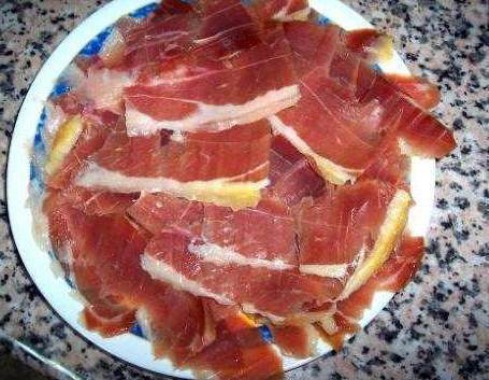
Why Differentiate Ham by Age?
Spanish ham is sold by age for a good reason, as explained in this Spanish ham sold by age article: the 【maturation time determines the flavor】. Both Iberian and Serrano hams undergo long drying and curing processes. Different aging periods create noticeable differences in taste, aroma, and texture.
- Young maturity: Suitable for those who prefer a lighter flavor
- Medium maturity: Richer aroma with evenly distributed fat
- High maturity: Ultimate flavor, ideal for experts to savor
Relationship Between Age and Ham Type
Different ham varieties require different aging times. The table below offers a simple comparison:
| Ham Type | Recommended Aging Period |
|---|
| Iberian Ham | 24-48 months |
| Serrano Ham | 12-24 months |
How to Choose the Right Ham by Age?
When selecting ham, besides age, consider your personal taste and intended use:
- For breakfast or platters: 12-18 months aged ham offers a fresh taste
- For celebrations or gifts: opt for premium hams aged 36 months or more to show thoughtfulness
- Check labels for “Curación” or “Maduración”—the longer the aging, the richer the flavor
Don’t be misled by marketing buzzwords! The appropriate age for Spanish ham depends more on use and preference than simply “the longer, the better.”
The Relationship Between Age and Price
Generally, the older the ham, the higher the price. This is explained in Spanish ham aging and eating because curing time directly affects cost. However, more expensive doesn’t always mean better. Many locals choose based on occasion and budget.
| Age Range (months) | Price Reference (€) |
|---|
| 12-18 | 15-25 |
| 24-36 | 30-50 |
| 48 and above | 60-100 |
Summary and Discussion
In summary, a longer aging period doesn’t always mean a more premium Spanish ham. It’s essential to match the aging with the ham type, personal taste, and intended use. I hope these insights help you shop with more confidence at supermarkets or specialty ham shops! If you have different experiences or have tried ham of special ages, feel free to share and discuss below—let’s all learn more about Spanish cuisine together!
Please note: slicing techniques and ham storage also affect actual flavor. If interested, I can start a dedicated thread for further exchange.
