The Secret Behind Spanish Ham Aging
For friends living in Spain, the delicacy known as “ham” is surely familiar. Whether it’s Ibérico ham or Serrano ham, you’ll find them everywhere – supermarkets, markets, or restaurants. However, some people often hear terms like “ham aged for several years” or “24 months cured” when buying or tasting ham. But what exactly does the “aging period” of ham mean? What mystery lies behind it? Today, I’ll share some insights and experiences on Spanish ham sold by aging period.
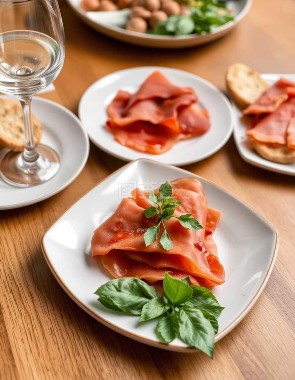
What Does the Ham Aging Period Actually Refer To?
In fact, the “aging period” of ham is technically called the “curing time.” Generally, this refers to the total duration from when the raw ham is cured until it is ready for sale and consumption. Common periods are 12 months, 24 months, 36 months, or even longer. During aging, the ham undergoes drying, dehydration, and fermentation in a controlled temperature and humidity environment, which is key to its unique flavor.
| Ham Type | Typical Aging Period |
|---|
| Jamón Serrano | 12-24 months |
| Jamón Ibérico | 24-48 months |
How Does Aging Affect Flavor?
The longer the curing time, the richer and more complex the flavor tends to be, with a firmer texture and more pronounced fat flavor. For example, 24-month aged ham is rich and mellow, but ham aged 36 months or more will melt in your mouth with nutty aftertastes. Of course, “time” isn’t the only factor affecting quality; the breed and feeding method of the raw material are equally important. Many connoisseurs choose different hams based on their personal taste preferences. Why not taste them yourself? You might discover something new!
How to Check the Aging Period When Buying Ham?
Most hams sold in the market clearly indicate the curing time on the packaging or label, such as “24 meses curación.” When purchasing, it’s advisable to pay attention to this information: hams with shorter curing periods are more suitable for cooking, while those with longer curing periods are best enjoyed sliced raw to appreciate their original aroma. Additionally, it’s recommended to check whether the product has official certification marks for assured quality.
Tips for Storing and Enjoying at Home
Whole leg ham is best stored in a ventilated, cool, and shaded place. Use a special knife to slice thin pieces as needed to maintain optimal flavor. After opening pre-sliced packs, consume them shortly to avoid aroma loss. For pre-packaged sliced ham, refrigeration suffices. It’s best enjoyed paired with some [wine], instantly enhancing the experience.
What Are Your Ham Experiences?
Have you tried Spanish hams aged for different periods? Do you prefer tender and mild flavors or rich and intense ones? Feel free to share in the comments and share your shopping tips! I hope this post offers some practical reference to help you purchase and enjoy ham in the future.
