As a long-time follower of international football, I would like to share some observations and thoughts on the distinctly different styles of Japanese and Spanish football. Although both countries emphasize technical skills, the underlying philosophies and expressions show clear differences.
Comparative Analysis of Technical Characteristics
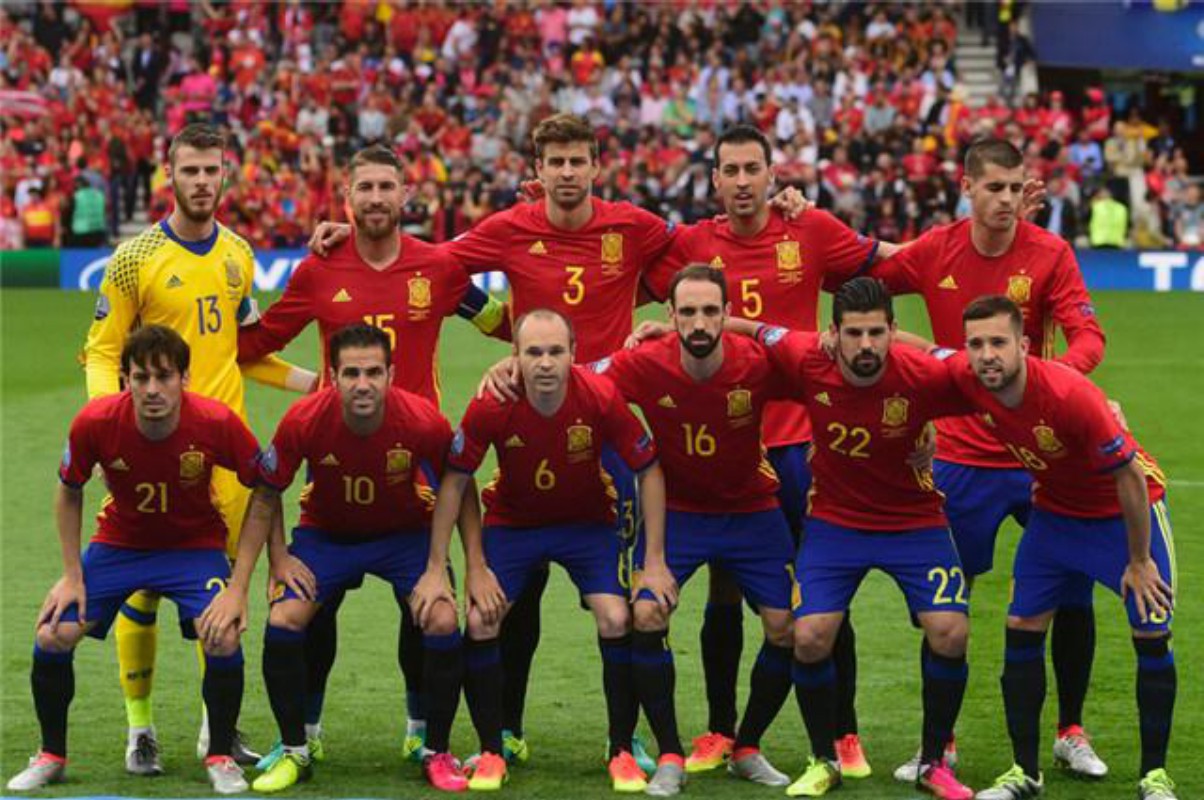
Spanish football has long been renowned for the tiki-taka tactic, a short-passing style that emphasizes possession and passing accuracy. From Barcelona to the national team, Spaniards have perfected possession football. Their players generally possess exceptional foot skills, enabling intricate combinations in tight spaces.
In contrast, Japanese football places more emphasis on collective coordination and tactical discipline. While individual technical skills are also refined, Japanese players excel at creating chances through Spanish vs Colombia football off-the-ball movement and teamwork. Their football philosophy highlights meticulous attention to detail and strict tactical execution.
Different Paths in Youth Training Systems
The two countries take completely different approaches to youth development. Spanish youth training focuses heavily on refining technical foundations from an early age, cultivating players’ passing awareness and ball control abilities. On the other hand, Japan’s youth system emphasizes comprehensive physical and mental development, incorporating advanced technology for data analysis.
| Comparison Aspect | Spanish Football | Japanese Football |
|---|
| Technical Traits | Possession-oriented, short-passing | Quick counterattacks, team coordination |
| Tactical Philosophy | Control the game tempo | Efficient use of opportunities |
| Physical Condition | Technique compensates for lack of strength | Training compensates for natural disadvantages |
| Mental Traits | Artistic expression | Bushido spirit |
Differences in International Performances
In major international tournaments, both teams demonstrate distinctive traits. Spain peaked between 2008 and 2012, winning consecutive European Championships and the World Cup, showcasing the power of possession football. Although Japan has never won a major tournament, they have often created surprises at the World Cup, with notably resilient performances against strong teams.
Deep Cultural Influences
It is important to recognize the deep cultural foundations underpinning each country’s football style. Spanish football reflects the Mediterranean cultural pursuit of beauty and artistry, while Japanese football incorporates Eastern collectivism and an unwavering quest for perfection. These cultural differences ultimately shaped two vastly different yet equally fascinating football styles.
From a personal perspective, I believe both styles have unique appeals. Spanish football reveals the artistic side of football as seen in Spanish vs Italy football, whereas Japanese football exemplifies team spirit and the never-give-up sportsmanship. As a fan of Spanish vs Netherlands ecstatic football, being able to appreciate such diverse football styles is truly a blessing.
