As a football enthusiast who has lived in Spain for many years, especially familiar with Spanish footballer accommodation, I would like to share my thoughts on what truly defines a Spanish footballer. It is not simply a question of nationality but rather a reflection of football philosophy and culture.
Football Philosophy Centered on Technique
The most remarkable characteristic of Spanish footballers is their relentless pursuit of technical excellence. Whether it is Barcelona’s La Masia academy or Real Madrid’s Castilla, both emphasize cultivating players’ fundamental technical skills from a young age. Spanish players generally possess outstanding passing accuracy, ball control, and spatial awareness, which results from systematic technical training received since their youth.
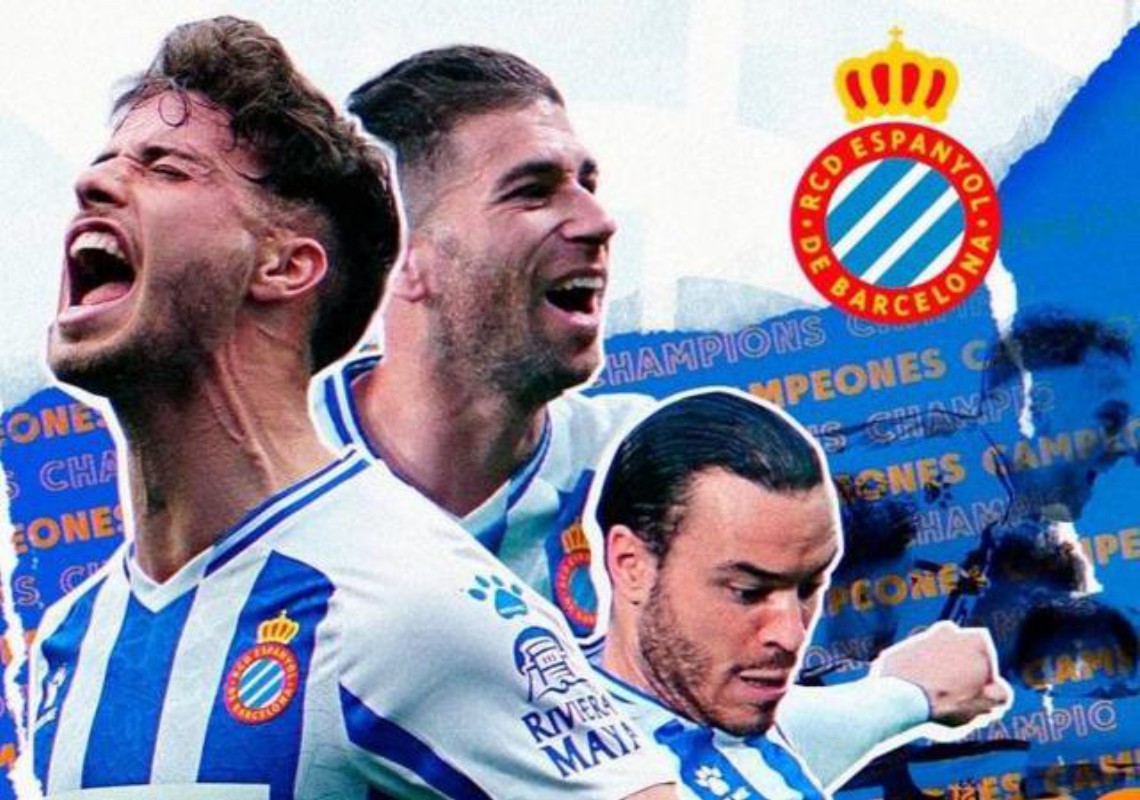
Tactical Essence of Possession Football
The core tactical concept of Spanish football can be summarized by the term “Tiki-taka,” focusing on short passes, ball possession, and patiently seeking opportunities. The table below illustrates the characteristics of Spanish footballers in different positions:
| Position | Key Traits | Representative Player Style |
|---|
| Goalkeeper | Good foot skills, involved in organizing attacks | Accurate passing, broad vision |
| Defender | Strong ball distribution, good positioning | Technically refined, adept at long passes |
| Midfielder | Core of ball control and passing, rhythm management | Highly creative, tactically intelligent |
| Forward | Comprehensive technique, team-oriented | Agile movement, strong finishing ability |
The development path of Spanish footballers often follows a strict technical training system. Starting from ages 7-8, under professional coaching, they practice basic technical skills such as juggling, passing, and ball control, including Spanish footballers.
Deep Cultural Influences
Spanish footballers reflect not only technical traits but also a shift from individual heroism to team cooperation. Spanish culture values collective effort and emphasizes teamwork, deeply shaping the football style. Players are taught from an early age to serve the team’s interests, where personal skill must support the overall tactics.
This cultural trait leads Spanish players to generally possess excellent team awareness and tactical discipline. They are willing to perform seemingly simple but team-beneficial actions, such as back passes and lateral passes to maintain possession, rather than blindly pursue individual glory.
Systematic Youth Training Development
The training of Spanish footballers is inseparable from a well-developed youth development system. Major clubs have their own academies, with world-class infrastructure and coaching staff. Youth training focuses not only on technical skills but also tactical understanding, mental strength, and cultural education.
Notably, Spain’s youth development system places great emphasis on players’ holistic development. Beyond football skills, such as those of Spanish footballer Ruben, players are expected to learn languages and cultural subjects, cultivating good character and social responsibility. This educational approach produces technically excellent and morally admirable Spanish footballers.
