Recently, there has been a rather controversial topic in the football world regarding the intense clash between the Japan team and the Spain team. Honestly, as someone who has followed football closely for a long time, such incidents are rare but do occasionally happen in high-intensity matches.
Incident Background Analysis
The clash at the Spain Japan Olympic Football match mainly occurred during a key moment of ball possession battle between the two sides. According to on-site videos, it began as a normal physical contest, but as the match pace accelerated, the emotions of the players on both sides also intensified. Spain’s technical possession-based style confronted Japan’s fast counterattacking tactics, resulting in fierce battles around midfield.
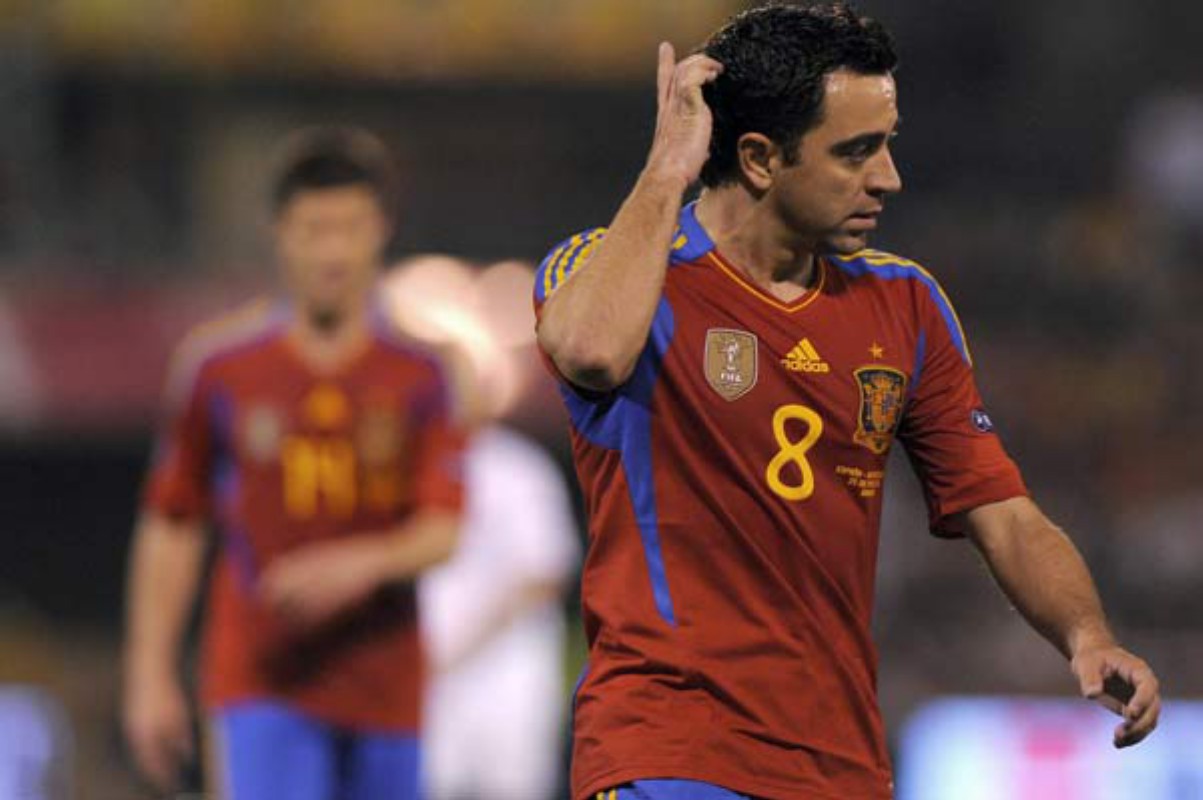
The situation was as follows: Japan’s number 10 player collided physically with Spain’s number 4 while contesting a header, after which the two sides began shoving each other. Such situations are actually not uncommon in football matches, but what made this clash special, as discussed by the Spain vs Japan Football Coaches, was the quick involvement of other players from both teams, causing a temporary chaotic scene.
Tactical and Technical Comparison
This clash also highlighted the distinct tactical styles of the two teams:
| Team | Main Characteristics | Performance in Clash |
|---|
| Japan | Fast and agile, team-oriented | United in protecting teammates, quick reactions |
| Spain | Technically skilled, possession-based | Showcased individual skills, relatively composed |
Such stylistic differences tend to create a chemical reaction during intense confrontations. Some say this is caused by cultural differences, but I believe it mainly stems from the nature of competitive sports itself. Japan is known for its unity, so when a teammate is challenged, others immediately come to support. On the other hand, Spain emphasizes individual techniques and appeared more rational during the conflict.
Referee’s Handling and Subsequent Impact
The referee’s management of this incident was quite appropriate. He did not rush to issue cards but rather aimed to calm the players down and resolved the conflict through communication first. In the end, only the two main involved players received yellow cards, which I think was a reasonable punishment.
This approach positively affected the continuity and entertainment value of the match. Issuing red cards on the spot could have harmed the overall quality of the game. Moreover, the Spain Japan Olympic Football Live Broadcast also played an educational role by giving young players a chance to correct their behavior.
Lessons for Future Matches
From this incident, there are several points worth considering. First is how to maintain sportsmanship while preserving competitive passion. Football is a highly physical sport, so moderate disputes are normal; the key is to keep them within limits.
It also reminds us of the importance of cultural understanding in international football exchanges. Players from different countries have varying playing styles and ways of expressing themselves. Mutual understanding and respect are fundamental to avoiding unnecessary conflicts.
Although this clash looked intense, I think it is also part of football’s charm. As long as it does not cross the line, such fiery moments on the pitch actually make the matches more exciting. What do you think?
