As a football fan who has lived in Spain for several years and familiar with the Spanish football player development system, I often get asked if Spanish football players are particularly prone to fighting. Honestly, this question made me think a lot because I have indeed seen some heated moments on TV.
The Actual Frequency of Conflicts in Spanish Football
From my observations, Spanish football players are not more inclined to fight than players from other countries. In fact, most conflicts are push-and-shove incidents driven by emotions, and real fighting events are quite rare. The disciplinary standards in La Liga are relatively strict, and players know that violent conduct can lead to severe consequences.
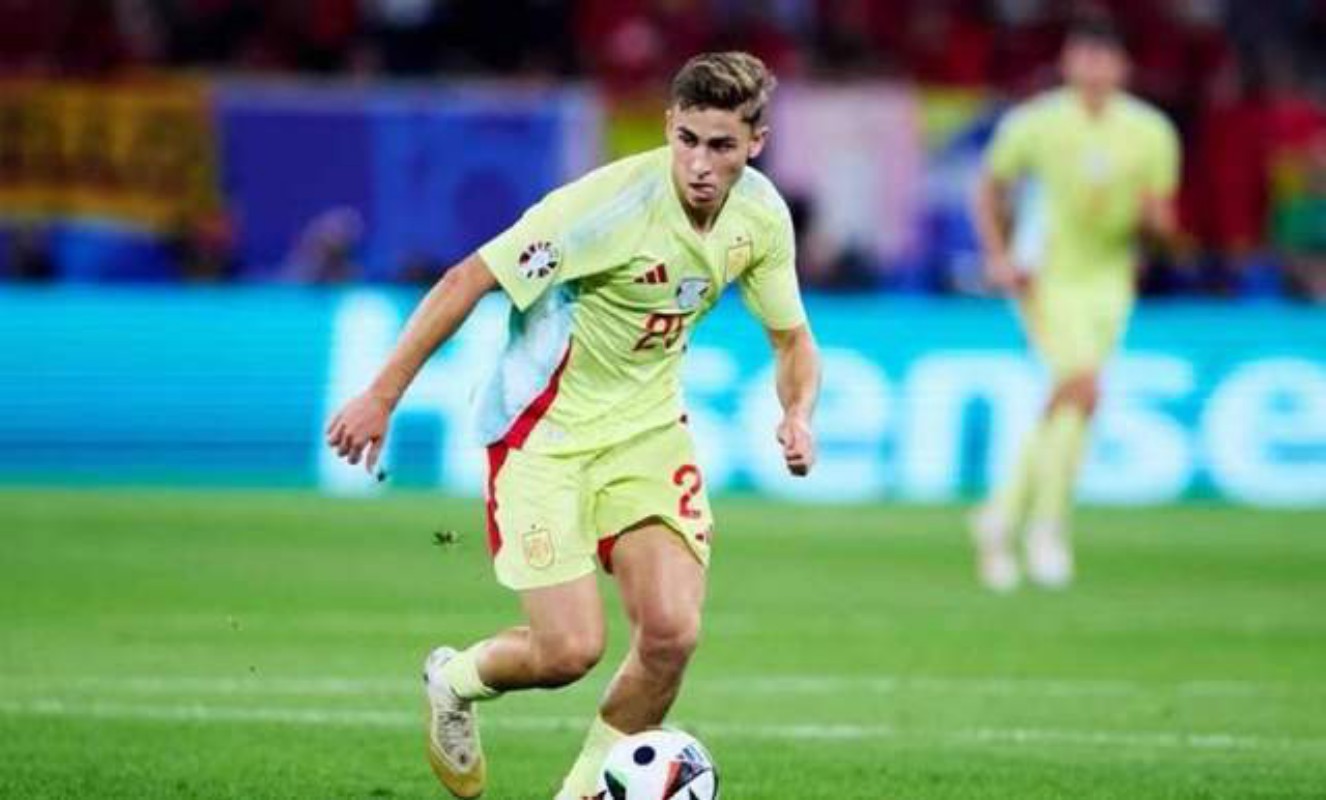
Based on data I collected from football players and the foundation of Spain, the number of red cards given for fighting each season in La Liga is not prominent:
| Season | Red Cards for Violent Conduct | Total Red Cards | Percentage |
|---|
| 2022-23 | 8 | 156 | 5.1% |
| 2021-22 | 12 | 142 | 8.5% |
| 2020-21 | 6 | 138 | 4.3% |
Main Causes of Conflicts
From my experience watching games live, conflicts in Spanish football mainly stem from a few aspects. First is the intense rivalry in local derbies, such as the iconic El Clásico between Real Madrid and Barcelona, where players face immense pressure and expectations. Second, controversial decisions in critical matches often provoke strong emotional reactions when refereeing calls could impact the championship outcome.
Cultural factors should not be overlooked either. Spaniards tend to be passionate and expressive, so physical contact and verbal disputes can easily escalate in such a high-intensity sport. However, this does not mean they intend to harm opponents; more often, it is a venting of emotions.
League Management and Player Conduct Improvements
In recent years, I have clearly noticed that La Liga has made significant efforts to control violence on the pitch. Mass brawls among groups are now rarely seen, and the introduction of VAR technology has helped reduce contentious decisions. Players’ professionalism has generally improved, and they understand better the negative impact violent behavior can have on their careers.
Spanish football players are not a group particularly prone to fighting. Like professionals worldwide, they may occasionally lose their temper under high pressure, but this should not contribute to stereotypes about Spanish football culture. As fans of talented Spanish footballers, we should focus more on their superb skills and sportsmanship demonstrated on the field.
