As a long-time follower of Spanish football, I recently noticed many friends are quite interested in the nationality issues of Spanish players. Indeed, the backgrounds of many players in the Spanish football team are quite complex, so today, let’s discuss this topic.
Nationality Diversity in Spanish Football
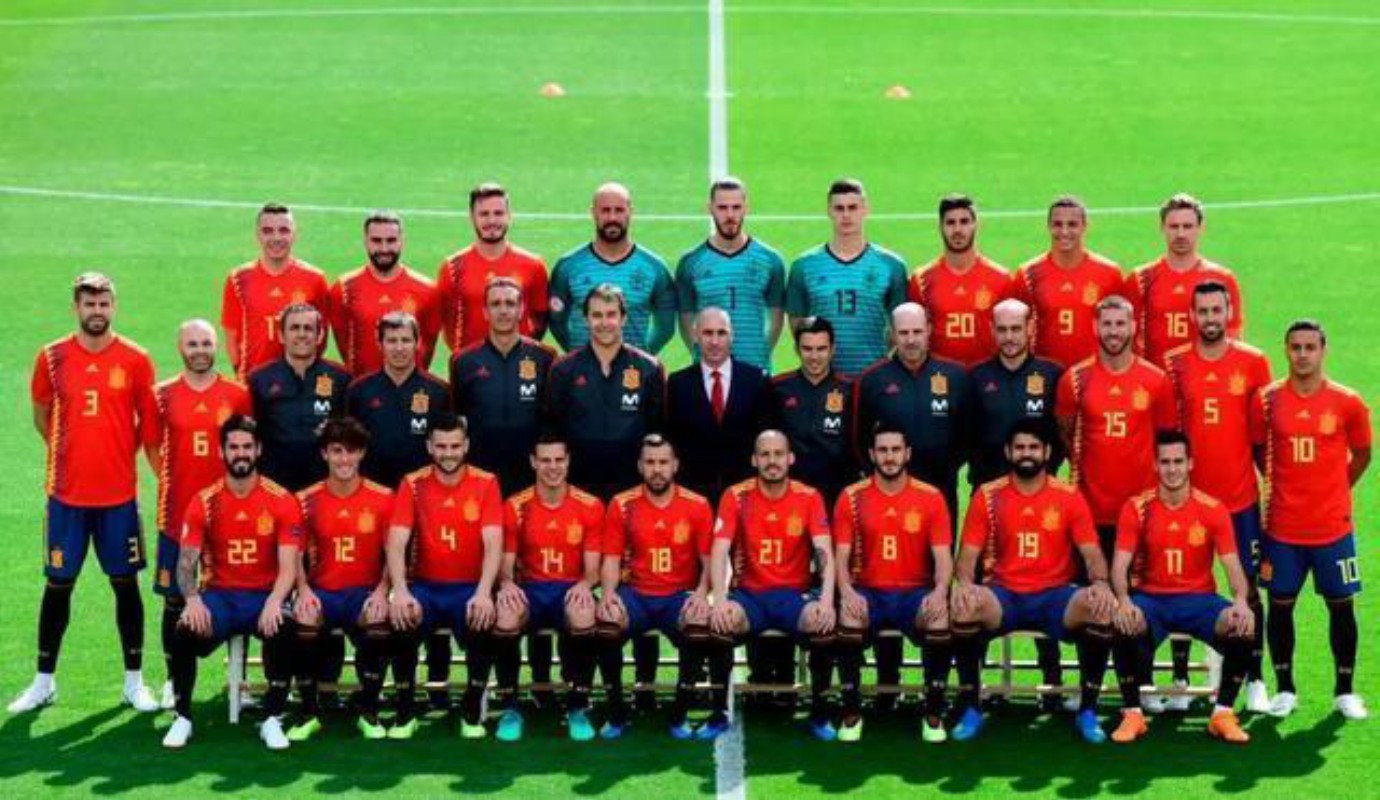
Spain, as a traditional immigrant-receiving country within the Spanish football player development system, naturally gathers players from different origins in its football teams. From the Brazilian-born Diego Costa to the Moroccan-origin Achraf and the Senegalese-origin Iñigo Martínez, the addition of these players has greatly enriched the technical style of Spanish football. It is worth noting that most of these players obtained Spanish nationality through legal naturalization procedures, strictly complying with FIFA regulations.
Contributions and Controversies of Naturalized Players
Speaking of naturalized players, Diego Costa is a must-mention. This Brazilian-born forward chose to represent the Spanish national team in 2013, which sparked some controversy, but he undeniably made significant contributions to Spanish football. Similarly, Thiago Alcántara, who holds dual Brazilian and Spanish nationality, ultimately chose to play for Spain.
Some believe naturalized players dilute the purity of Spanish football, but personally, I think this viewpoint is too narrow. Football itself is an international sport, and as long as players genuinely love this land and are willing to fight for Spanish football, the original nationality source is not so football player Spain nation building important.
Comparison of Nationality Status Among Different Player Categories
| Player Category | Local Player Proportion | Naturalized Player Proportion | Dual Nationality Player Proportion |
|---|
| National Team Core | 75% | 15% | 10% |
| Youth Teams | 85% | 8% | 7% |
| Club First Teams | 60% | 25% | 15% |
Impact of Youth Training System on Nationality Choices
Spain’s strong youth training system also attracts many foreign young players. These players receive their football education in Spain from an early age and have a deep sense of identification with Spanish football culture. Players like Ansu Fati, although born in Guinea-Bissau, came to Spain at the age of 6 and fully grew up within the Spanish football system. Their choice to represent Spain is both a tribute to the country that nurtured them and a reflection of their inner identity.
Future Development Trends
Based on current trends, the nationality diversity of Spanish football will continue. With increasing globalization and further openness of Spanish society, more players from diverse backgrounds will choose Spain as Spain handsome football players their football home. This diversity will not weaken Spanish football’s strength but rather enrich its technical styles and tactical concepts.
The nationality issues of Spanish football players reflect the complexities of modern football and society. As long as these players sincerely dedicate themselves to Spanish football, they deserve support and recognition from fans. After all, the charm of football lies in its ability to transcend borders and unite people from different backgrounds.
