As a football fan living in Spain for many years, I have always wanted to compile a comprehensive database of Spanish football players. After all, this is a football kingdom, where the passion for football can be felt everywhere—from neighborhood streets to top leagues. Today, I’d like to share some of the data I’ve collected, hoping it will be helpful for fellow football enthusiasts.
The Glorious Years of the Legendary Generation
When talking about Spain’s golden generation of football, the period from 2008 to 2012 that dominated world football cannot be missed. Names like Ramos, Xavi, Iniesta, Villa still ignite passion today. Especially the midfield partnership of Xavi and Iniesta was practically a work of art. Watching Spain’s matches back then was truly a delight.
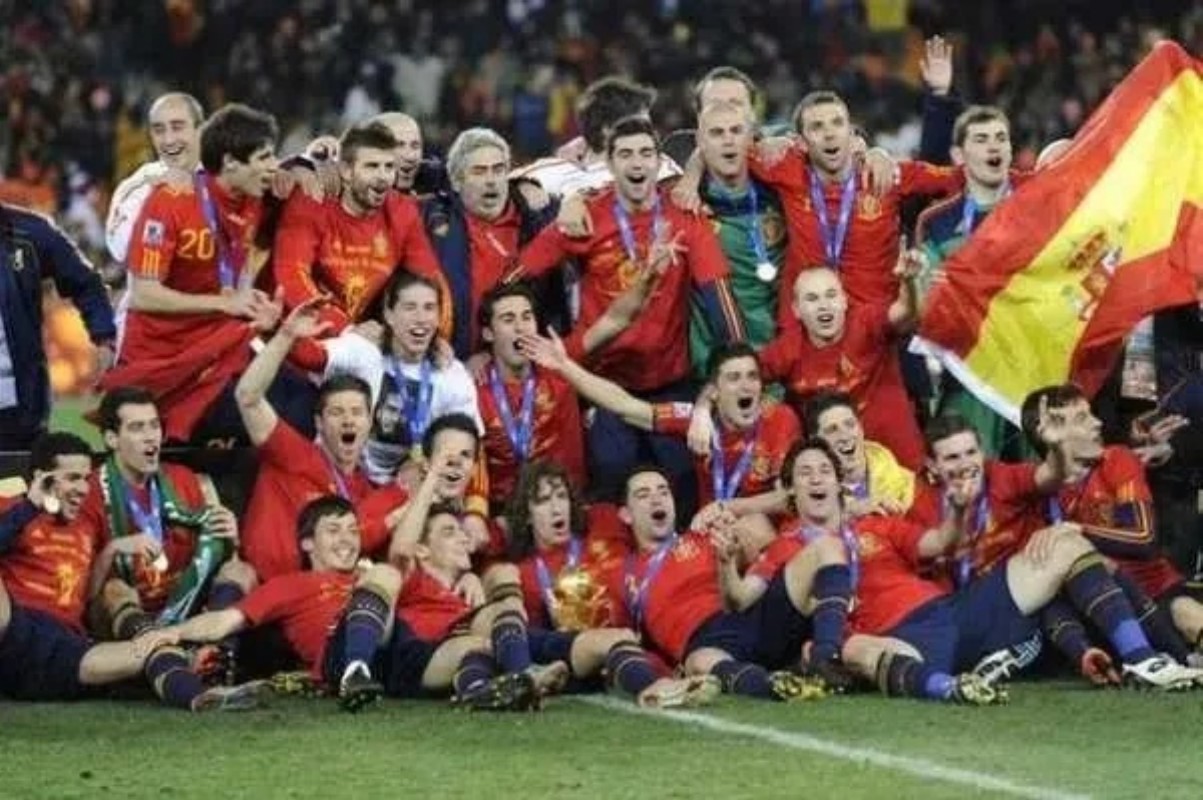
The Spanish team played pure tiki-taka tactics, often maintaining possession over 70%. I remember the 2010 World Cup final when Iniesta scored in the 116th minute—I was watching the game at a bar in Madrid, and the whole bar went wild.
Club Level Talent Development
Spain’s club youth academies have always been excellent, especially Barcelona’s La Masia. Countless players have emerged from there, with active players like Pedri, Gavi, Ferran Torres among them. Real Madrid’s youth system is not as famous as Barça’s but has produced talents like Casemiro and Asensio.
| Club | Representative Player | Position | Characteristics |
|---|
| Barcelona | Pedri | Midfielder | Skilled technique, precise passing |
| Real Madrid | Vinícius | Winger | Fast pace, strong dribbling |
| Atlético Madrid | Saúl | Midfielder | Solid defense, versatile attack |
| Sevilla | Koke | Midfielder | Excellent organizational ability |
The Rise of the New Generation
In recent years, Spanish football has produced a batch of new talents. Take young Gavi, born in 2004, who secured his place at Barça at just 18, showing impressive skills and awareness. Then there’s Ferran Torres, who, despite ups and downs at Manchester City and Barça, is undoubtedly talented. Previously, some doubted his ability, but after watching a few matches, it’s clear this kid has serious skills.
Also worth noting are Real Madrid’s Vinícius and Rodrygo, two young Brazilian-origin players who have fully integrated into the Spanish football system. Vinícius’ performance last year was truly phenomenal.
Player Analysis by Position
Regarding goalkeepers, De Gea has had fluctuating performances at Manchester United but remains reliable for the national team. In defense, apart from the veteran Ramos mentioned in the Spanish football player training system, young players like Pau Torres and Eric García show great potential. Midfield has always been Spain’s strength, currently anchored by Busquets with Rodri and Koke providing support as detailed in How football players influenced Spain’s history and national development. Although the forward line lacks a superstar like Villa, players such as Morata and Oyarzabal have their unique qualities.
While compiling these records, I realized the heritage of Spanish football is very strong. From tactical philosophies to youth training systems, there is a clear lineage. Although presently Spain might not display the same dominance as in the Spanish charming football players 2008-2012 era, the foundation remains solid. I believe in the next few years, as these young players mature, Spanish football will reach new heights again.
