The Unique Strengths of Spanish Football Coaches
Recently, after watching several La Liga matches, I wondered: why are Spanish football coaches so popular in the global football community? From Guardiola to Enrique, from Simeone to Emery, these coaches have achieved impressive results across major European leagues. Today, I want to discuss the unique strengths of Spanish football coaches.
Rich Tactical Tradition
The greatest advantage of Spanish football coaches lies in their profound tactical tradition. The philosophy of possession is king has long been deeply ingrained in the Spanish Football Coaches School. This is more than just simple ball control; it represents a philosophical understanding of football itself. From Barcelona’s tiki-taka to Real Madrid’s magnificent attacking style, Spanish coaches know how to help players maintain technical beauty while achieving victory.
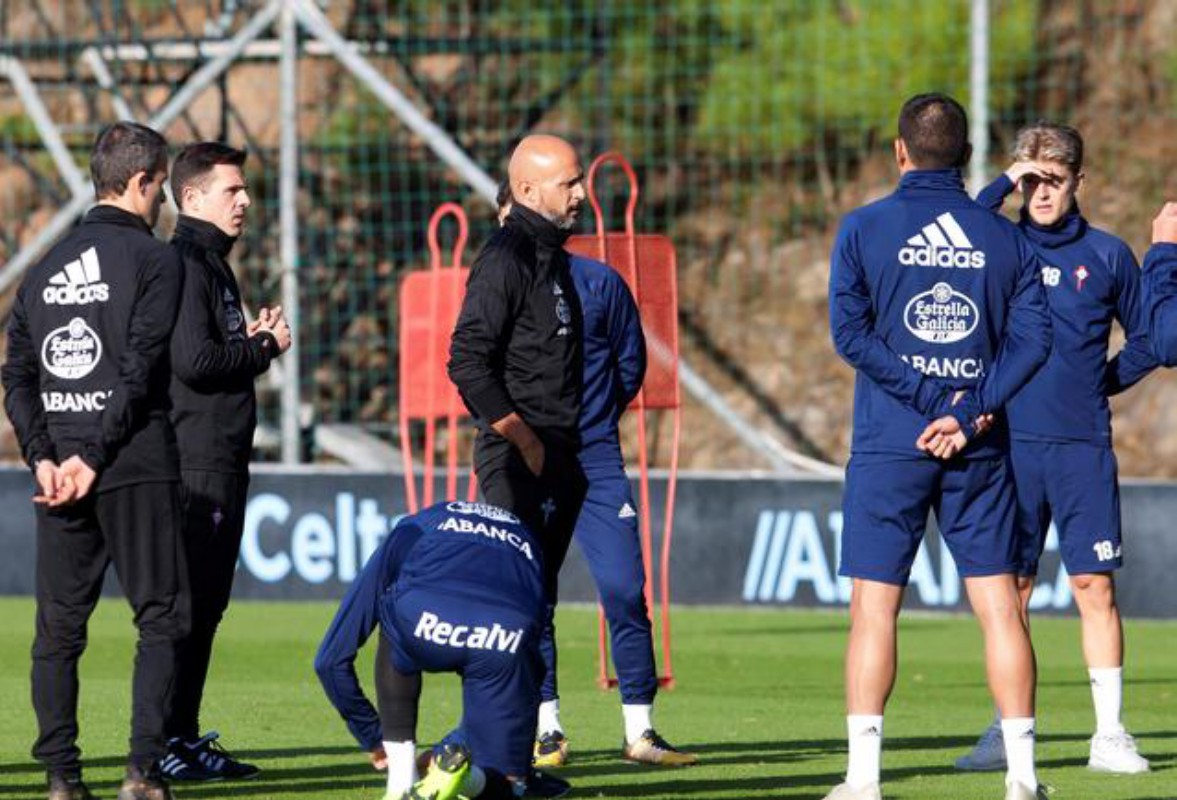
This tactical philosophy was not formed overnight; it has been passed down and developed through generations of coaches. Spanish coaches generally pay close attention to players’ technical details and focus on developing players’ football intelligence, resulting in players with outstanding game-reading abilities.
Comprehensive Youth Development System
| Age Group | Focus of Training |
|---|
| 6-10 years | Basic skills, interest cultivation |
| 11-14 years | Tactical understanding, team cooperation |
| 15-18 years | Professional training, psychological resilience |
Spain’s youth development system is considered a world model, providing a continuous stream of high-quality talent for coaches within the Spanish Football Coaches Alliance. Unlike some countries that focus mainly on physicality, Spain’s youth system emphasizes the cultivation of technical and tactical literacy. From La Masia to Valencia’s youth academy, these institutions not only train players but also nurture future coaches.
Highly Adaptable Coaching Styles
Another advantage of Spanish coaches is their strong adaptability. Whether it is the fast-paced confrontations of the Premier League or the tactical rigor of Serie A, Spanish coaches can quickly adjust and find suitable tactical systems. This adaptability stems from their deep understanding of football’s essence.
Guardiola’s success at Bayern Munich and Manchester City is the best example—he adjusts his tactical philosophy according to the characteristics of different leagues while maintaining his core football philosophy. This flexibility is something many coaches from other countries lack.
Cultural Literacy and Leadership
Besides tactical skills, Spanish coaches generally possess high cultural literacy. They are excellent communicators, understand how to manage locker room relationships, and can inspire players to reach their full potential. This soft power is increasingly important in modern football, as players now need not only technical guidance but also psychological support and mentorship.
Take a look at coaches like Spanish Football Coaches Ancelotti and Zidane—they are not only tactically brilliant but also capable of uniting the team and fostering a positive team atmosphere. This perfectly embodies the team-first philosophy of Spanish football culture.
