In-depth Analysis of the Spanish Football Federation Player System
As a long-time fan following the Spanish Football Player Headlines, I want to share some observations on the player development and management system of the Spanish Football Federation. After reviewing a considerable amount of relevant information, it is clear that the Spanish Football Federation has many aspects worth learning from in terms of player development.
Core Advantages of the Youth Training System
What impresses most about the Spanish Football Federation is its well-established youth training system. From youth academies of the major clubs to the construction of national team tiers, the entire system forms a virtuous cycle. The Barcelona La Masia Youth Academy and the Real Madrid Castilla Youth Academy are world-class talent pools that annually supply a large number of outstanding players to the Spanish national team.
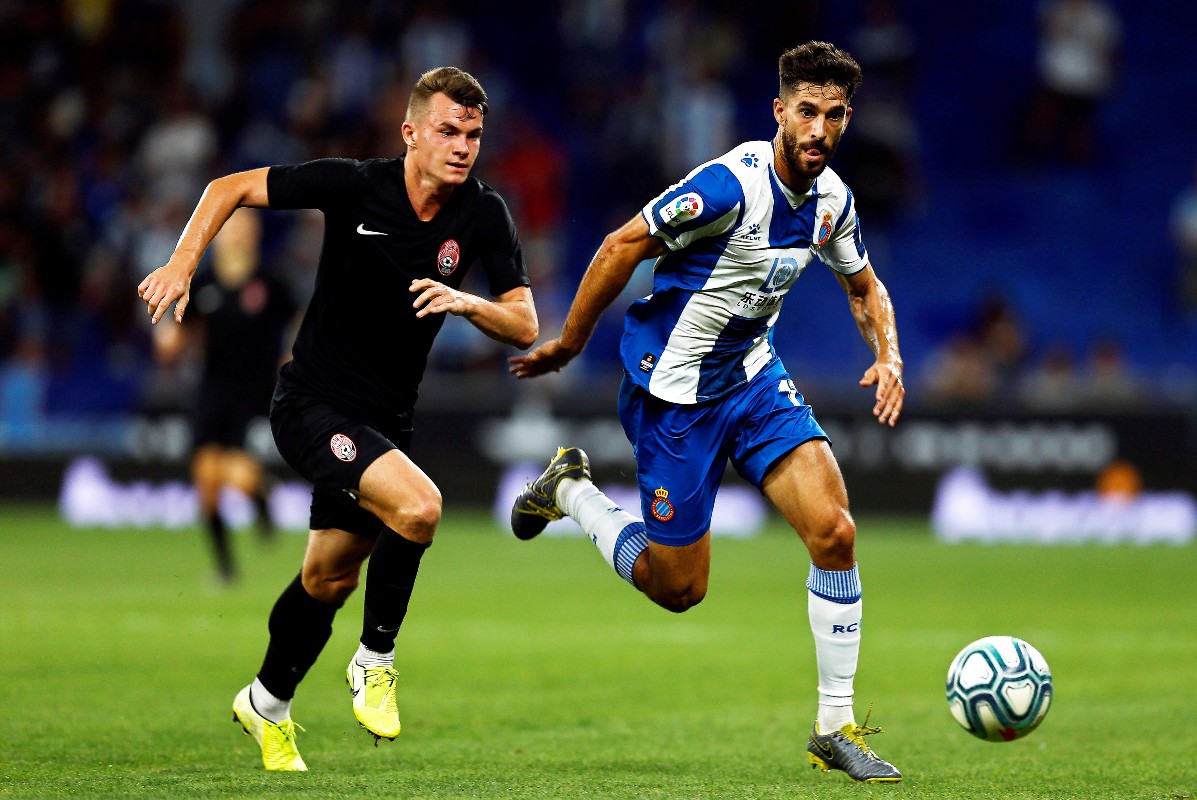
These youth training institutions not only focus on technical training but also emphasize players’ tactical understanding and psychological quality. The cultivation philosophy of balancing technique and intelligence allows Spanish players to demonstrate a unique playing style on the international stage.
Analysis of National Team Selection Mechanism
The Spanish Football Federation applies strict and scientific standards in selecting national team players. They not only value players’ performances at their clubs but also emphasize their adaptability in international competitions. Below is a distribution of main players by position in the recent Spanish national team:
| Position | Number of Key Players | Average Age | Primary Source Clubs |
|---|
| Goalkeepers | 3 | 28.5 | Real Madrid, Athletic Bilbao |
| Defenders | 8 | 26.8 | Barcelona, Atlético Madrid, Manchester City |
| Midfielders | 6 | 25.2 | Barcelona, Real Madrid, Liverpool |
| Forwards | 4 | 24.5 | Barcelona, Atlético Madrid, Arsenal |
From data on the Spanish Olympic Football Players, it is evident that the Spanish Football Federation maintains a balance between experienced veterans and actively integrates young, promising talents. This tiered team-building model ensures sustainable development of the team.
Inheritance of Tactical and Technical Style
The Spanish Football Federation consistently adheres to the philosophy of possession-based football, which is vividly reflected in player development. From the youth training phase, players are required to master precise passing skills and excellent ball control. Rough long-ball tactics are discouraged in the Spanish football system, replaced instead by delicate footwork and keen tactical awareness.
This style not only brought Spain to its historical peak between 2008 and 2012 but also laid the technical foundation for the current young generation of players. Rising stars like Pedri and Gavi have perfectly inherited this tradition.
Challenges and Opportunities
The Spanish Football Federation also faces some challenges in player development. With modern football’s rising demands for physicality, traditional technical players need to further enhance their strength and speed. Additionally, adapting the traditional playing style to the fast-paced changes of modern football remains a topic the federation must address.
Overall, the Spanish Football Federation’s player development system remains among the world’s top standards. We can expect to see more outstanding Spanish Football Federation Players’ Income profiles shine on the global football stage in the coming years. What are your thoughts on the development of Spanish football? Feel free to discuss in the comments section!
