As a fan who has lived in Spain for several years and followed the Spain vs Norway Football World Cup matches, I have witnessed how excited Spanish friends around me get whenever the World Cup arrives. Today, I want to talk about the story of the Spain men’s football team in the World Cup — from glory to troughs and then rebuilding. This team’s journey is truly fascinating.
Golden Generation’s Glorious Moments
When discussing Spain men’s football World Cup history, the 2010 South Africa World Cup is undoubtedly a highlight. That tournament featured the golden generation, centered on Xavi, Iniesta, and Casillas, finally achieving historic success. I remember being in a Madrid bar when Iniesta scored the winning goal in the final; the entire city erupted in celebration.
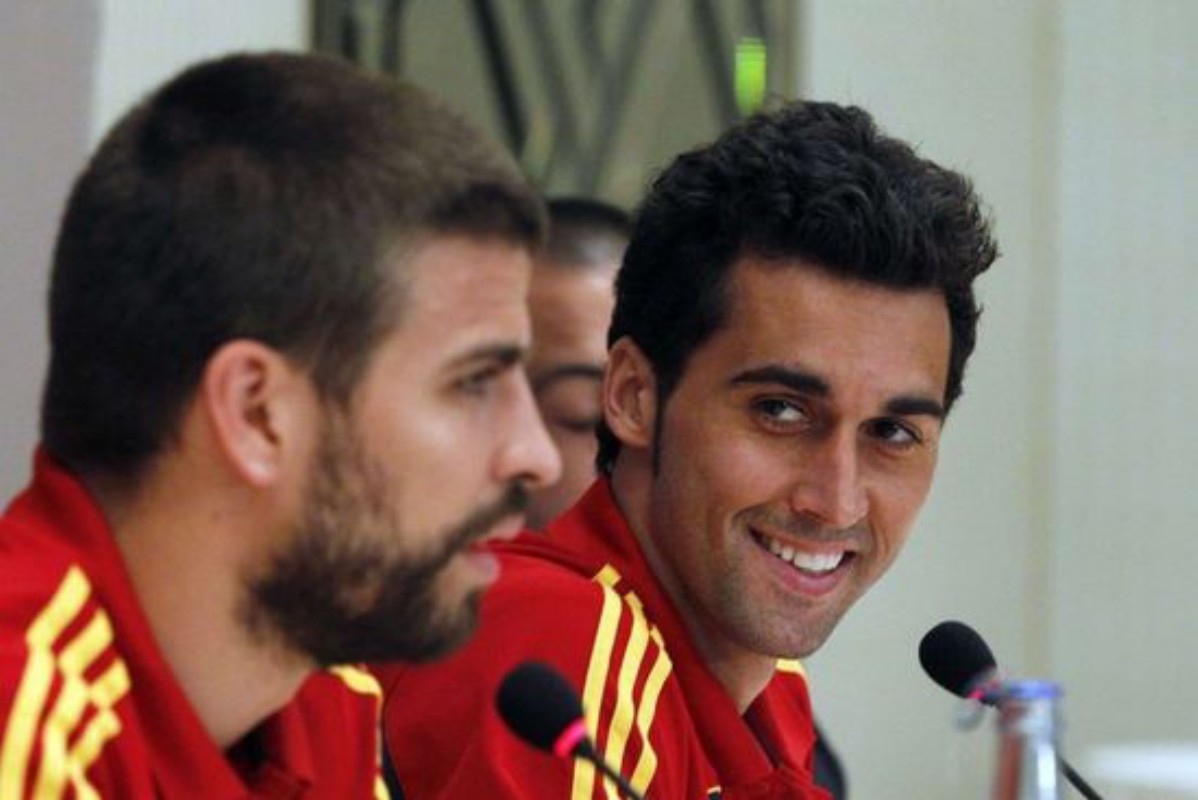
That Spanish team’s possession-based football was a work of art, with players demonstrating precise short passes and off-the-ball movement that embodied what is called beautiful football. Although their style was elegant, they faced criticism for low scoring efficiency, but the final trophy silenced all doubts.
World Cup Performance Data Analysis
Here is a summary of Spain men’s football team’s recent World Cup results:
| Year | Host Country | Final Position | Goals Scored | Goals Conceded | Major Achievement |
|---|
| 2010 | South Africa | Champions | 8 | 2 | First World Cup win |
| 2014 | Brazil | Group Stage Exit | 4 | 7 | Failed to defend title, early exit |
| 2018 | Russia | Round of 16 | 7 | 6 | Eliminated in penalty shootout against Russia |
| 2022 | Qatar | Round of 16 | 9 | 3 | Lost 0-3 to Morocco, eliminated |
Tactical Evolution Over Time
Spanish football has undergone clear changes from the golden generation’s tiki-taka to the current tactical systems. The heavy defeat in the 2014 Brazil World Cup made them realize that mere ball possession was no longer enough to meet modern football demands. New generation players like Pedri, Gavi, and Ferran Torres have brought a more direct and efficient playing style, illustrated by How Many World Cups Has Spain Won.
Under coach Luis Enrique, the team began experimenting with more Spain Football World Cup Group Stage flank breakthroughs and quick counterattacks. While the possession DNA remains, it is no longer the sole weapon. This tactical shift was reflected in the 2022 Qatar World Cup. Despite the unsatisfactory final result, the team displayed vitality that gave hope for the future.
Rise of the New Generation
Looking ahead to Spain football’s future, one cannot ignore the performance of these young players. Pedri’s outstanding form at Barcelona recalls Iniesta’s peak, and Gavi’s midfield orchestration is eye-catching. Although they still need time to mature, this group has already shown world-class potential.
At the 2022 World Cup, Spain’s squad was among the youngest participating teams, indicating a significant transition between generations. Young forwards like Ansu Fati and Ferran Torres are expected to take on the crucial task of scoring goals for the national team.
Outlook for Future World Cups
Looking toward the 2026 USA-Canada-Mexico World Cup, Spain remains one of the favorites to win. Although issues with frontline efficiency and seizing critical moments must be resolved, their overall strength remains formidable. The new coach, De La Fuente, brings fresh ideas and tactical approaches to the team.
In my view, Spain’s greatest advantage is still its well-established youth training system and the continuation of technical traditions. From La Masia to Real Madrid’s academies, the steady supply of talent keeps this team competitive. As long as they maintain composure in crucial moments, the Bullfighters will soon reclaim their place at the pinnacle of the World Cup.
