As a football fan living in Madrid for many years, I often discuss the football development of both countries with Portuguese friends. Recently, I整理了Spanish and Portuguese football to review Portugal and Spain’s trophy achievements in major competitions and found the football trajectories of these two neighboring countries quite fascinating.
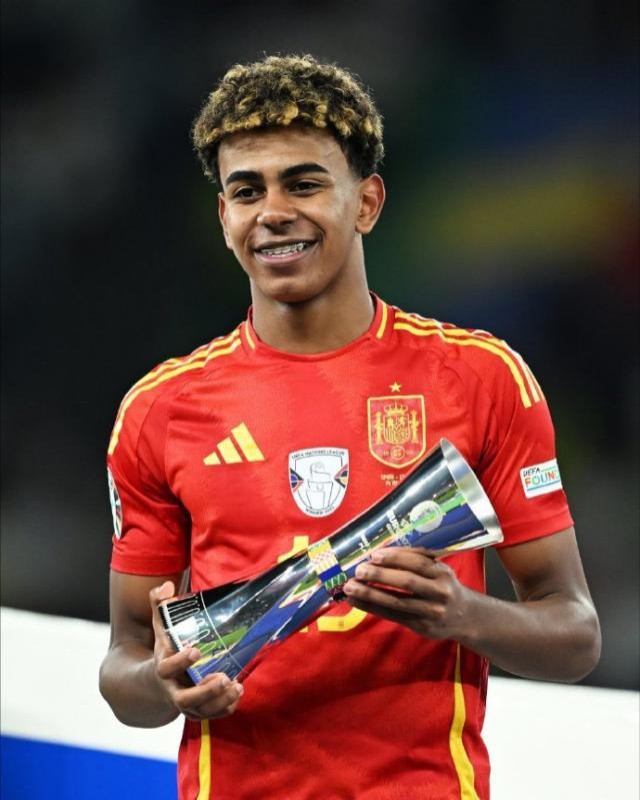
The Golden Era of Spanish Football
Spanish football experienced an unprecedented period of glory in the early 21st century. The three consecutive titles of the 2008 European Championship, 2010 World Cup, and 2012 European Championship made La Roja the most successful national team of that era. Especially in the 2010 South Africa World Cup, Spain finally fulfilled their long-held dream of a World Cup victory, thanks to the tiki-taka tactical system.
The core players of this golden generation included superstars such as Xavi, Iniesta, and Casillas from Barcelona and Real Madrid. They not only achieved success at the club level but also carried that success into the national team. This football philosophy centered on possession and control influenced an entire generation of football enthusiasts.
Portugal’s Resilience and Breakthrough
In contrast, Portugal’s success came slightly later but was equally impressive. The 2016 European Championship victory marked a milestone in Portuguese football history. Although Cristiano Ronaldo had to leave the final match due to injury, the team still defeated host nation France under his on-field guidance.
| Tournament Name | Spain Titles | Portugal Titles |
|---|
| World Cup | 1 | 0 |
| European Championship | 3 | 2 |
| UEFA Nations League | 1 | 1 |
Notably, Portugal also won the inaugural UEFA Nations League in 2019. This relatively new competition has provided new opportunities for honors for both countries, and Portugal’s earlier triumph demonstrates their competitiveness on the international stage.
Cultural Differences and Similarities in Football
The football cultures of both countries share similarities and differences. Spanish football places more emphasis on technical tradition and the integrity of tactical systems. Players emerging from La Masia youth academy often exhibit similar technical qualities. Portuguese football, meanwhile, focuses more on individual capabilities, sometimes criticized for overreliance on superstar players, but this style has produced world-class stars like Cristiano Ronaldo and Figo.
Regarding youth development, both countries highly prioritize nurturing young talent. Spain’s youth training is more systematic and standardized, whereas Portugal excels in identifying and cultivating technically gifted players. These differences are also reflected in the playing styles of their national teams.
