Recently, many friends have asked me about the situation of Spanish soccer training programs. Having lived here for several years, today I want to share a detailed discussion about this topic through the Spanish Soccer Training Camps. Spain’s soccer training system is indeed very well developed, with mature pathways from youth development to professional advancement.
Main Types of Soccer Training Programs
The soccer training programs in Spain are mainly divided into several levels. At the most basic level are community soccer clubs, found in almost every city, primarily aimed at youth aged 4-16. Then there are professional soccer academies, such as the youth training camps of Real Madrid and Barcelona, where competition is very intense. Additionally, there are private soccer training institutions offering more personalized training services.
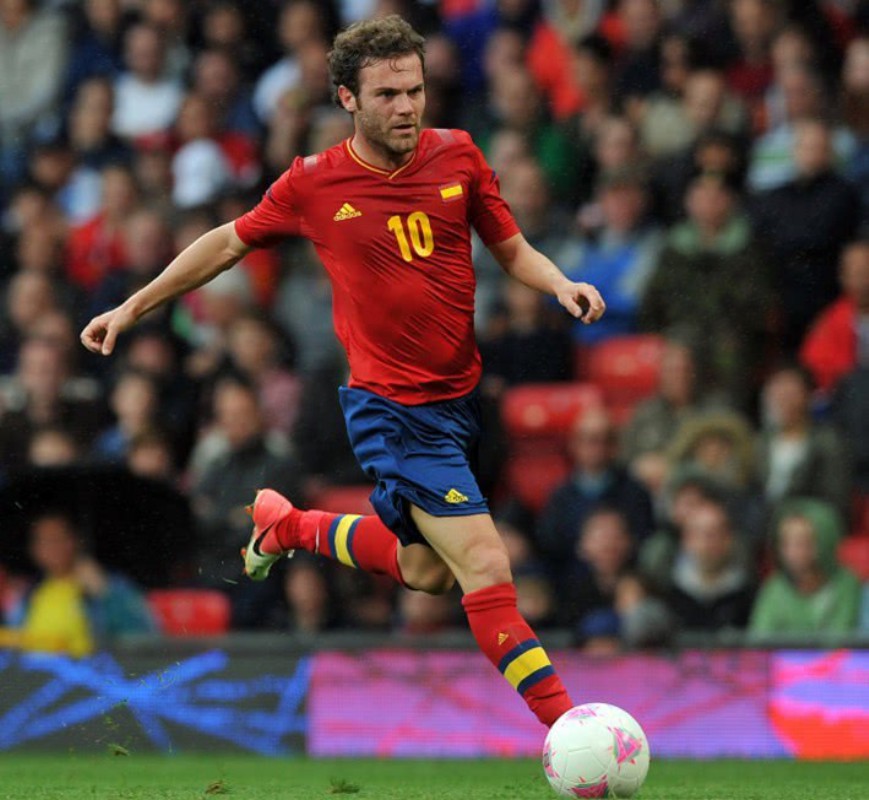
The fees vary significantly among different types of training programs. Community clubs usually charge between 50 to 150 euros per month, while professional academies may charge Spanish Soccer Training Enrollment from 300 to 800 euros. The top youth academies have fees reaching over a thousand euros. These fees generally include training equipment, field usage, and some competition expenses.
Training Content and Selection Criteria
Spanish soccer training places strong emphasis on technical details and tactical understanding. Basic training includes ball control, passing, shooting, and other technical skills, while advanced training incorporates tactical cooperation and match practice. Selection criteria mainly consider technical skill level, physical fitness, teamwork ability, and learning attitude.
| Age Group | Main Training Content | Weekly Training Frequency |
|---|
| 6-10 | Basic skills, fun games | 2-3 times |
| 11-14 | Combined tactics, group play | 3-4 times |
| 15-18 | Specialized training, match drills | 4-5 times |
To enter good training programs, besides soccer talent, language skills are also important. Most coaches are Spanish; if Spanish Soccer Training Structure children can understand basic Spanish instructions, adapting will be much easier. Also, do not trust those promises guaranteeing a professional team spot; real good coaches develop personalized growth plans based on each child’s characteristics.
Spain’s soccer training programs indeed offer excellent platforms for development, but choosing should always be based on personal circumstances and goals. I hope this information is helpful, and feel free to discuss any questions in the comments section!
