The Glorious History of Spanish Football
As a fan who has lived many years in Spain and a former Spanish football international, I want to share some unforgettable lineup configurations in the history of the Spain national team. Spanish football progressed from being relatively unknown in the last century, to sweeping across Europe in the early 21st century, and now entering a new era of transition — each period marked by distinctive tactical styles and player traits.
Classic Lineups from the Golden Era
When discussing Spain’s football peak, the golden years from 2008 to 2012 must be mentioned. At that time, the Spain team was synonymous with football artistry; [red]possession-based football[/red] reached unprecedented heights.
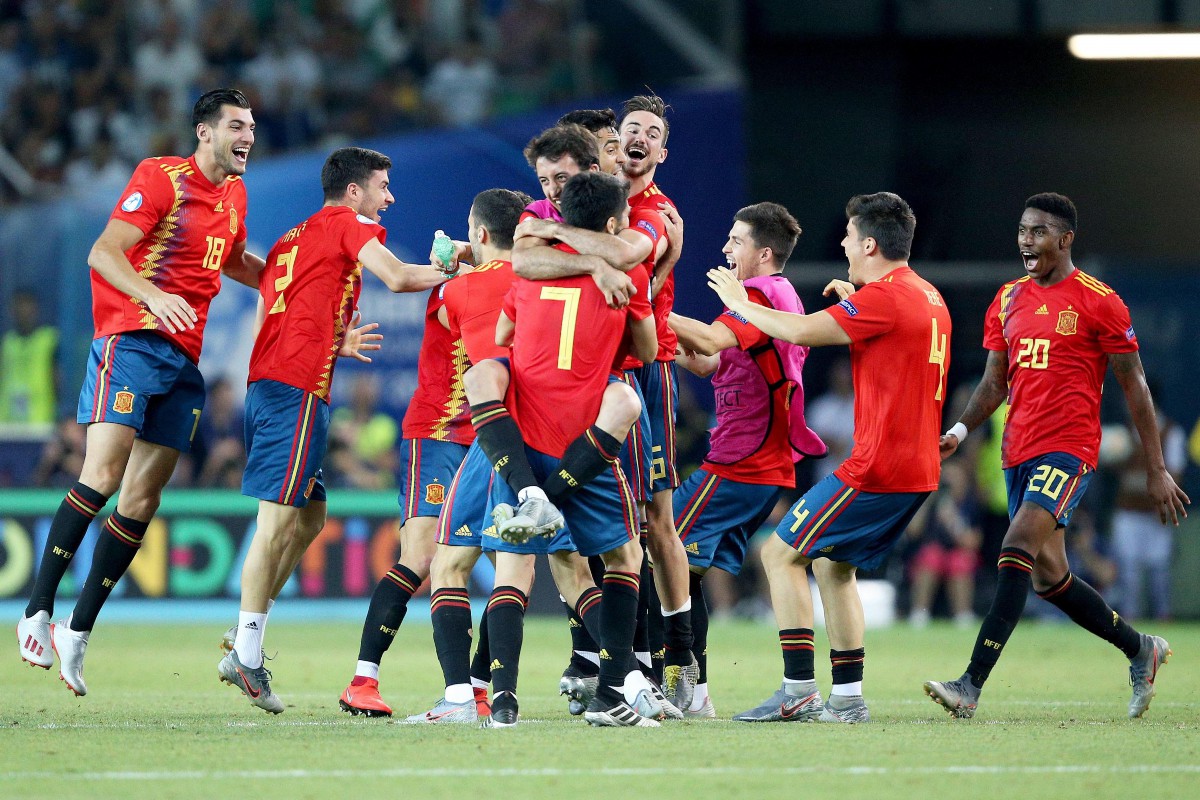
The core lineup from then remains unforgettable: goalkeeper Casillas, defenders Puyol, Ramos, and Piqué, midfielders Xavi, Iniesta, and Busquets, and forwards Villa and Torres. This lineup won consecutive titles at the UEFA Euro 2008, FIFA World Cup 2010, and UEFA Euro 2012, creating a legend in international football.
Tactical Evolution Over the Years
Spain’s tactical evolution is quite fascinating. Early on, the team relied more on individual skills, later gradually adopting the possession-based system inspired by Barcelona. The essence of the tiki-taka style is controlling the game’s rhythm through constant short passes, which requires players to have extraordinary technical skill and tactical understanding.
| Period | Main Tactic | Representative Players |
|---|
| 1990s | Traditional 4-4-2 | Raúl, Juanito |
| Early 2000s | Attacking 4-3-3 | Villa, Torres |
| 2008-2012 | Tiki-taka Possession | Xavi, Iniesta |
| 2014-Present | High Pressing | Morata, Pedri |
Looking back, that era represents the pinnacle of technical football. Each match featured passing accuracy above 90%, and the possession rate often exceeded 70%, leaving opponents with hardly any control of the ball.
The New Face of Modern Spain
In recent years, Spain has actively sought transformation, incorporating more physicality and speed under Enrique’s management. Emerging stars like Pedri, Gavi, and Ferran Torres maintain traditional technical strengths while adding the explosiveness and versatility required in modern football.
Although today’s Spain might not possess the same dominance as the rankings of Spain’s greatest football internationals from the golden generation, their football philosophy and youth development system remain world-class. From La Masia to Real Madrid’s academy, Spain continuously produces outstanding talent contributing to global football. What do you think about the current Spain squad compared to the golden generation?
