Lately, I have been closely following European football, especially the lineup changes of the traditional powerhouses Spain and Germany. As a fan who has lived in Spain for many years and followed the Spanish Olympic Football Team Lineup, I would like to share some thoughts on the latest lineups of both teams.
Spanish National Team Lineup Analysis
The current Spanish National Football Team Lineup reflects a successful transition between generations. The 4-3-3 system established during the Enrique era remains the mainstream, but the player selection has clearly evolved. In goal, Unai Simón has firmly secured the starting spot, impressing with his performances at Athletic Bilbao. The midfield core still consists of Barcelona stars Pedri and Gavi, whose passing and ball control continue Spain’s traditional style.
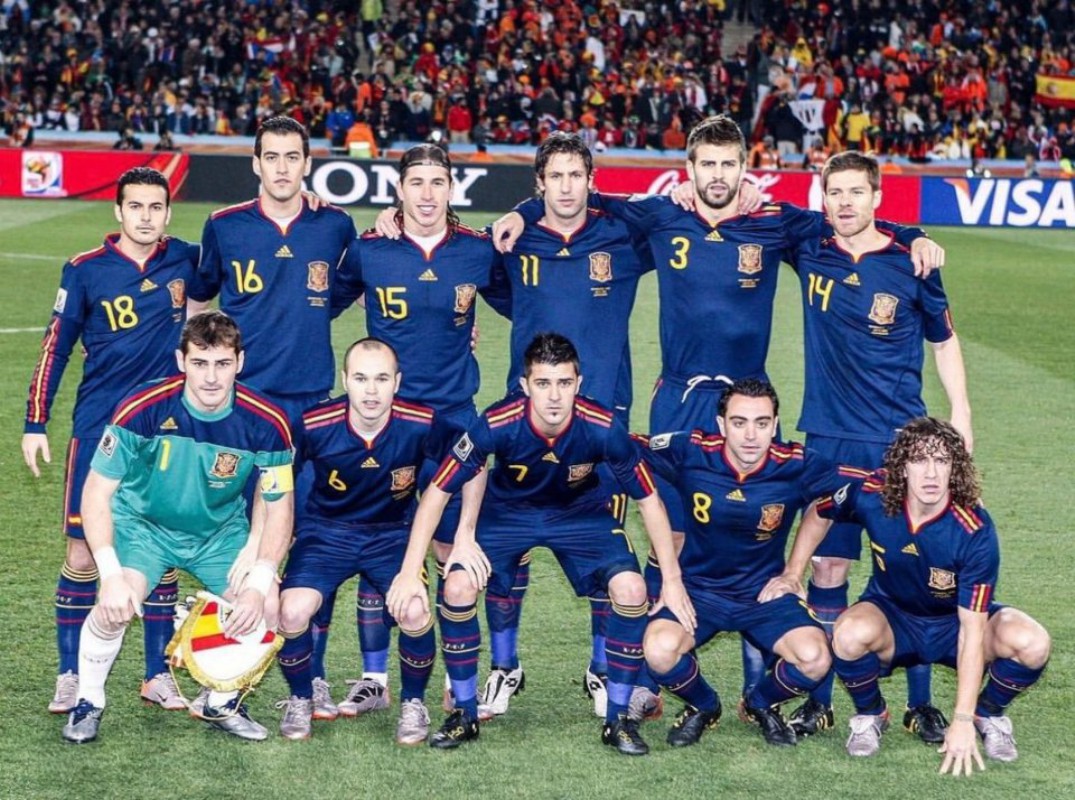
The most notable changes are up front, where Álvaro Morata remains an important option, but the rise of Ferran Torres and Olmo gives the coaching staff more attacking choices. This diversified attacking approach allows Spain to flexibly adjust tactics according to different opponents.
German National Team Lineup Features
Under Flick’s management, Germany has showcased a distinct style compared to the past. Unlike the previously steady approach, the current German team emphasizes more offensive play. Although Neuer is getting older, he remains one of the world’s top goalkeepers. In midfield, Kimmich’s versatility makes him an indispensable core, capable of performing well as both right-back and defensive midfielder.
Young talents like Musiala and Wirtz have injected fresh energy into the squad. The traditional German robustness is gradually evolving toward a more technical style, which has been evident in recent matches.
Comparative Analysis of Both Teams’ Lineups
| Position | Spain Starters | Germany Starters | Comparison of Traits |
|---|
| Goalkeeper | Unai Simón | Neuer | Youth vs Experience |
| Midfield Core | Pedri | Kimmich | Creativity vs Versatility |
| Forward | Morata | Havertz | Target Man vs Roamer |
Overall, Spain focuses more on possession and ground passing, while Germany, building on its traditional strengths, incorporates more creative elements. Both teams are undergoing generational transitions, but Spain takes a gradual approach, whereas Germany opts for a more aggressive renewal.
Tactical System Differences
Spain’s 4-3-3 emphasizes midfield control, seeking chances through frequent passing. This playing style demands extremely high technical skills and tactical discipline, perfectly suiting Spanish players. Germany’s 4-2-3-1 is more flexible, able to quickly switch between attack and defense depending on the match situation.
In my view, these two teams represent two different evolutionary paths in European football. Spain upholds the technical route, breaking down defenses through the exquisite coordination of the Spanish Football Club Espanyol Lineup. Germany combines physical advantages with enhanced technique, forming a unique “technical power football” style. As a fan, witnessing such contrasts is truly enjoyable. Which style do you think has a brighter future?
