As a football fan living in Spain for many years, I would like to share some observations and thoughts on Brazilian football and Spanish football. Both countries are top football powers in the world, yet their playing styles are completely different.
Technical Characteristics Comparison
Brazilian football is known for its individual skills that players have honed since childhood through street football. Their passing, dribbling, and shooting all carry a distinct personal flair, full of creativity and improvisation. In contrast, Spanish football emphasizes overall teamwork, creating opportunities through precise short passes and positional rotations.
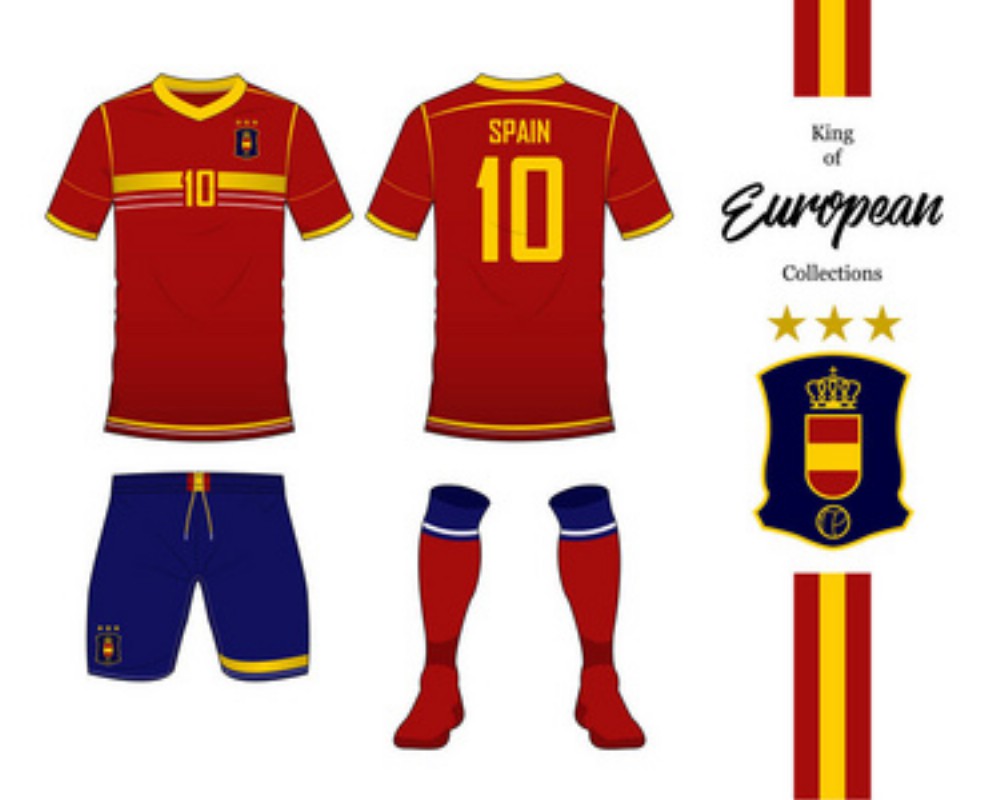
Spain’s tiki-taka tactical system stresses possession and patience, with players accustomed to searching for spaces through countless short passes. Brazilian football is more direct; players leverage their individual abilities to break defenses and create unexpected attacking chances. This difference stems from the distinct football cultural backgrounds of the two countries.
Tactical Style Analysis
From a tactical perspective, the two countries exhibit different philosophical approaches:
| Feature | Brazilian Football | Spanish Football |
|---|
| Attacking Style | Mainly individual breakthroughs | Mainly team cooperation |
| Passing Traits | Combination of long and short passes | Mainly short passes |
| Tempo Control | Variable speed | Stable control |
| Defensive Concept | Aggressive pressing | Positional defense |
Brazilian football’s charm lies in its unpredictability, as they can change the course of a match through Spanish football Brazilian dual nationality individual talent at crucial moments. Stars like Ronaldinho and Kaka have always managed to create spectacular goals out of seemingly ordinary situations.
Youth Training System Differences
The youth training systems of the two countries also show evident differences. Brazil relies more on Brazil Spain football records natural talent and the influence of street football, where young players develop excellent ball sense and creativity in informal settings. Spain, on the other hand, has established a more systematic youth training system that focuses on standardized technical and tactical training from La Masia to various youth academies.
The success of Spanish football largely owes to its comprehensive youth training system. Spanish football was not strong before, but through continuous investment in youth training and technological innovation, as seen in Spanish Brazil Olympic football live broadcast, it reached its historical peak between 2008 and 2012 by winning consecutive European Championships and World Cups.
Future Development Trends
Looking ahead, both national footballs face new challenges and opportunities. Brazilian football needs to strengthen tactical discipline while preserving technical features; Spanish football needs to maintain its possession-based advantage while incorporating more attacking variations. The development trend of modern football indicates that relying solely on one style makes it difficult to maintain long-term competitiveness. fusion and innovation will be key for the continued progress of both countries’ football.
