As a football enthusiast who has lived in Spain for many years, I would like to share my observations and thoughts on Spain’s football youth training system. Recently, the news about Lionel Messi returning to Barça reminded me of the legendary youth academy La Masia.
The Core Philosophy of Spanish Youth Training
The most prominent feature of Spanish football youth training is the philosophy of technical superiority from an early age. From six years old, when children start playing football, coaches emphasize the importance of basic skills. I often see in Madrid’s community football fields that coaches spend a lot of time having kids practice passing, ball control, and touch feeling, rather than rushing into tactical duels.
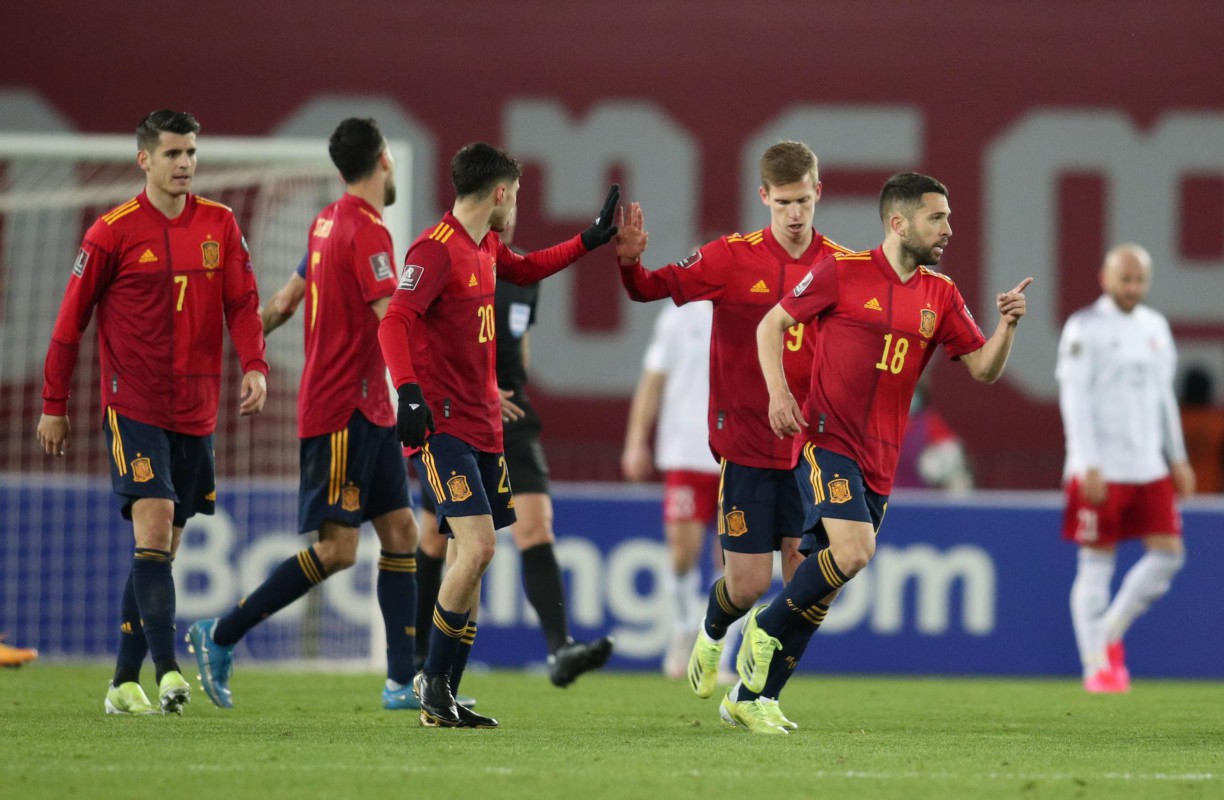
This training method produces players who generally have excellent footwork and can maintain good ball feeling even under intense pressure. Players like Iniesta and Xavi are typical products of this system.
Comparative Analysis of Famous Youth Academies
| Academy Name | Club | Training Feature | Representative Players |
|---|
| La Masia | Barcelona | Possession-based technical skills | Messi, Iniesta |
| Real Madrid Youth Academy | Real Madrid | Holistic development | Raúl, Casillas |
| Athletic Bilbao Youth | Athletic Bilbao | Physical duels | Muniain, Laporte |
Unique Aspects of Training Methods
Spanish youth training has several distinctive characteristics in training methods. Firstly, small-sided games are widely used; most technical training occurs in relatively confined spaces, enabling players to make quick decisions in limited areas.
Secondly, there is a strong emphasis on positional sense and spatial awareness. Coaches use various drills from Spanish football youth training nutrition guide to help young players understand when to move, when to wait, and how to find the most advantageous positions on the pitch. This explains why Spanish players generally have high football IQ.
The Important Role of Cultural Environment
It must be said that Spain’s football culture environment plays a crucial role in promoting youth training development. Children here grow up immersed in a strong football atmosphere, and street football culture is very well developed. Many technically gifted players honed their skills playing street football.
Family support is also a key factor. Spanish families are generally very supportive of their children’s football pursuits, willing to invest time and money. Some Spanish friends I know start sending their kids to professional football schools from a young age.
Lessons for Other Countries
The success experience of Spanish youth training offers important lessons for other countries. Relying solely on physical fitness no longer fits the development trend of modern football; technical and tactical qualities are increasingly important.
It is recommended that other countries focus on solid fundamental technical training, early cultivation of tactical awareness, and creating a good football cultural atmosphere like that in Spanish football youth training content. Only in this way can genuinely excellent football talents be nurtured.
