Recently, I organized the historical results of Spain football and found that since 1920, Spain has accumulated rich data from more than 500 significant matches Spain Football Performance. As a long-time follower of Spanish football, I want to share some of these interesting statistics with everyone Spain Football Performance Predictions.
National Team Glorious Era
The golden era of the Spanish national team was undoubtedly between 2008 and 2012. In these four years, they consecutively won the European Championship, the World Cup, and European Championship again, creating a legendary chapter in international football. According to statistics, during this golden period, the Spanish team’s win rate reached an astonishing 78.5%, with key players including Xavi, Iniesta, and Villa.
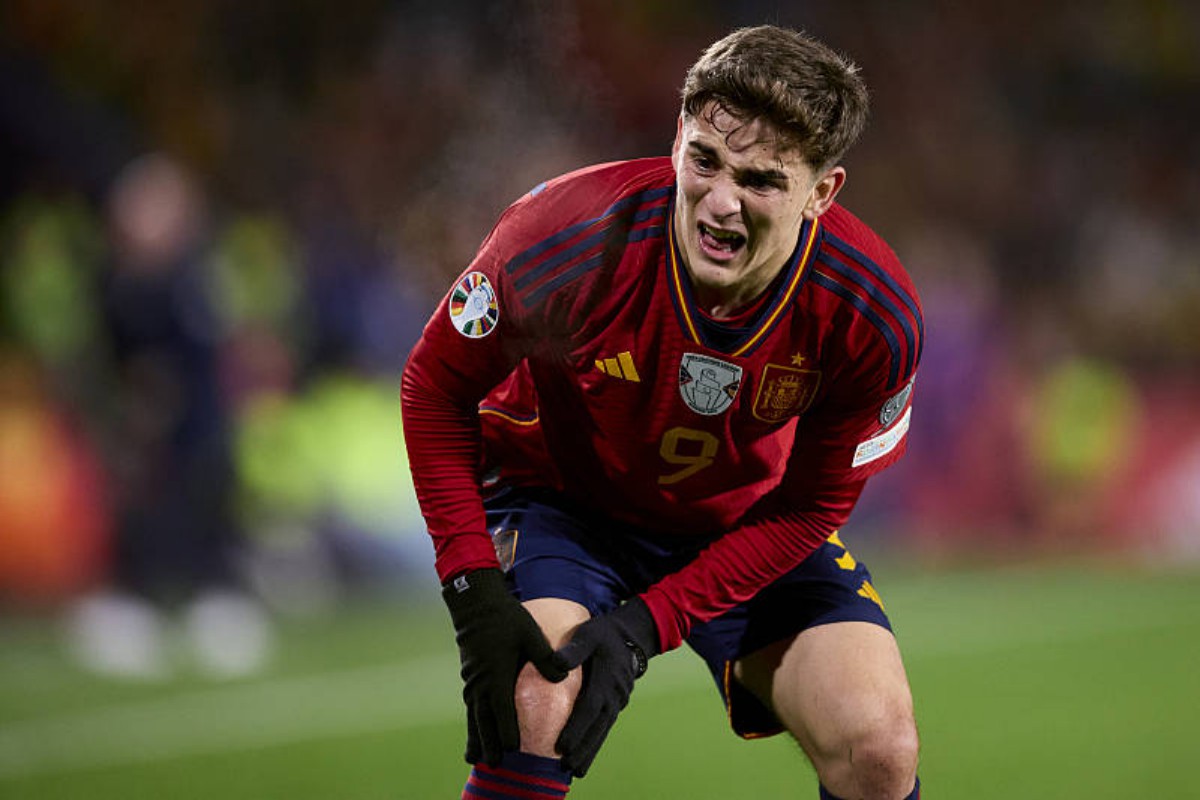
Looking at historical data from the last ten matches of Spain Recent Matches of Spain National Team, the development of Spanish football can be divided into several important phases. The early stage from the 1920s to 1950s was primarily a foundational period. From the 1960s to the 1990s, it entered a phase of steady growth, while modernization reforms began after the 1990s. Notably, the 2010 FIFA World Cup victory in South Africa marked the historical peak of Spanish football.
Club Level Performance
At the club level, Real Madrid and Barcelona are undoubtedly the two flags of Spanish football. Here is a comparison of the two teams’ Champions League history:
| Club | Champions League Titles | Final Appearances | Win Rate |
|---|
| Real Madrid | 14 | 17 | 82.4% |
| Barcelona | 5 | 8 | 62.5% |
Besides these two giants, Atlético Madrid, Valencia, Sevilla and others have also performed well in European competitions. Especially Sevilla, who have excelled in the Europa League with multiple titles.
Tactical Evolution Analysis
Spanish football is most famous for the tiki-taka tactic, a style based on short passing combinations that reached its peak during Guardiola’s era at Barcelona. This tactical style not only influenced the Spanish national team but also had a profound impact on world football. Statistical data shows that Spanish teams adopting this tactic usually maintain possession rates above 65%.
The characteristics of modern Spanish football can be summarized as: technical finesse, possession-oriented, and strong team cohesion. These traits are evident at all levels of competition, from youth teams to the senior squad, all adhering to a unified technical philosophy.
Reviewing the data from these 500 key matches, we can trace the development trajectory of Spanish football: from the exploratory early stage, through steady improvement, to recent glorious achievements. Although Spanish football may not be as dominant as during its golden years, its profound football culture and well-established youth training system still fill us with great expectations for the future. What do you think about the next developments in Spanish football?
