As a fan who has lived in Spain for many years and follows Spanish football achievements, today I want to chat about the historical track record of our Spanish national football team. Honestly, although Spanish football predictions currently enjoys a great reputation worldwide, looking back at history, the growth trajectory of this team is quite fascinating.
The Rise of the Golden Generation
The years from 2008 to 2012 were undoubtedly the golden era of Spanish football. Within these four years, Spain won three major titles consecutively: the 2008 European Championship, the 2010 World Cup, and the 2012 European Championship. I still remember the 2010 World Cup final in South Africa, when Iniesta scored the winning goal in the 116th minute of extra time—everyone in bars across Madrid went wild!
That era truly epitomized technical football. The midfield triangle formed by Xavi, Iniesta, and Busquets, as shown in the recent ten matches of the Spanish national football team, displayed a level of chemistry that was simply breathtaking. Their possession-based football was not only beautiful to watch but, more importantly, highly effective.
Key Tournament Achievements
| Tournament Type | Number of Championships | Number of Runners-up |
|---|
| World Cup | 1 | 0 |
| European Championship | 3 | 1 |
| Nations League | 1 | 0 |
| Olympics | 1 | 0 |
Early Struggles
In the early years, the Spanish team actually went through a long period of ups and downs. After winning their first European Championship in 1964, it was a full 44 years without significant titles. During this period, although there were many talented players, the team often faltered at crucial moments.
One of the most notable weaknesses was their penalty shootout record, frequently leading to exits in major tournaments. However, this made the successes post-2008 all the more precious.
Characteristics of Modern Spanish Football
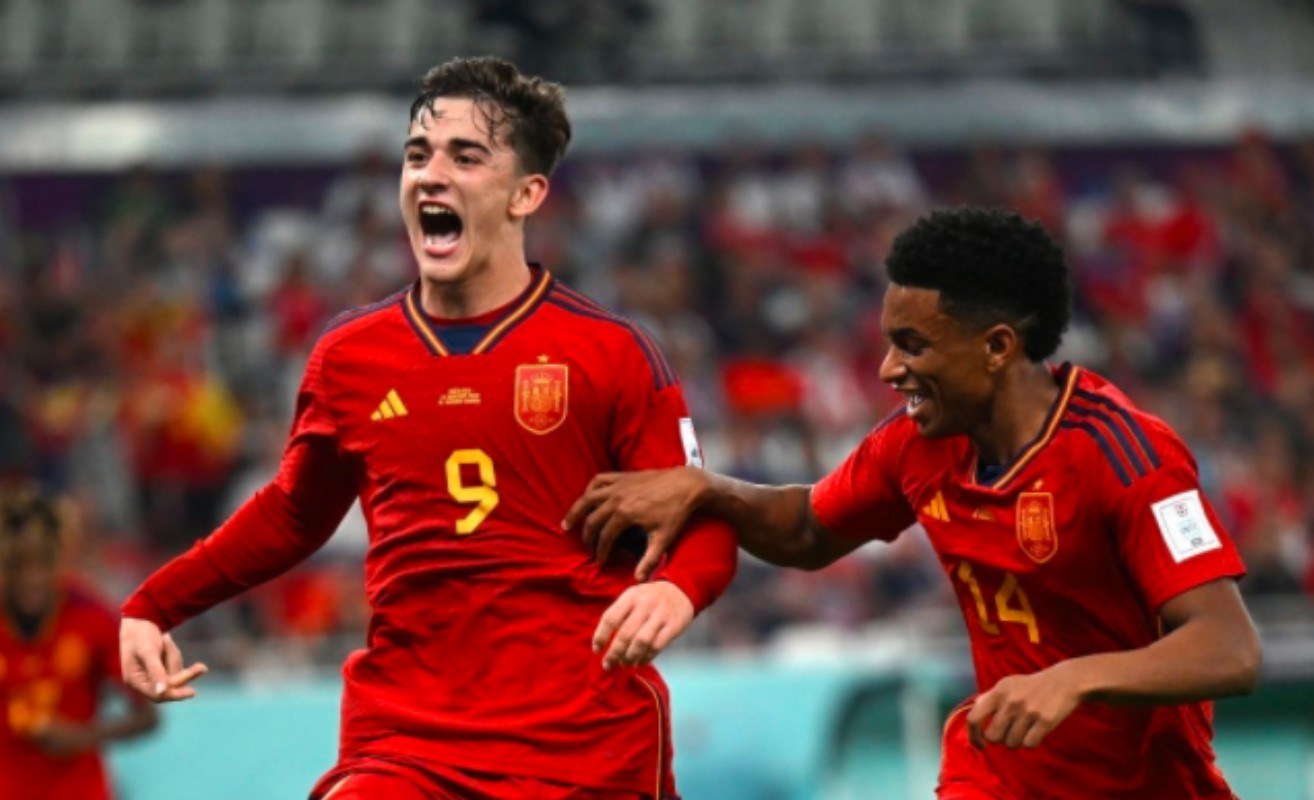
While the current Spanish team no longer has the dominance of the golden generation, it still maintains a very high level of competitiveness. Technical finesse and precise ball control remain hallmarks of this team. The emergence of young players like Pedri and Gavi gives us hope that Spanish football’s heritage is in good hands.
The history of the Spanish national team teaches us that football requires not only talent but also patience and perseverance. From the obscure early years to later glory, and now steady progress, each phase has its own distinct character and value.
