As a long-time fan of Spanish football who has followed Does Spain have football team captains, I was recently asked about who the captains of Spain’s youth football teams are. This question is quite interesting. Spain’s youth football training system is considered world-class, ranging from Barcelona’s La Masia to Real Madrid’s Castilla, and all the way to various levels of national youth teams. Each team captain carries an important mission.
Overview of Captains in Spain’s National Youth Teams
Currently, the list of Spain youth football captains shows that each age-group national team has its own captain. Taking 2024 as an example, the U21 national team captains are usually the most experienced and leadership-strong players. Players like Abel Ruiz and Ferran Torres have served as captains during their youth team stages and later successfully joined the senior national team.
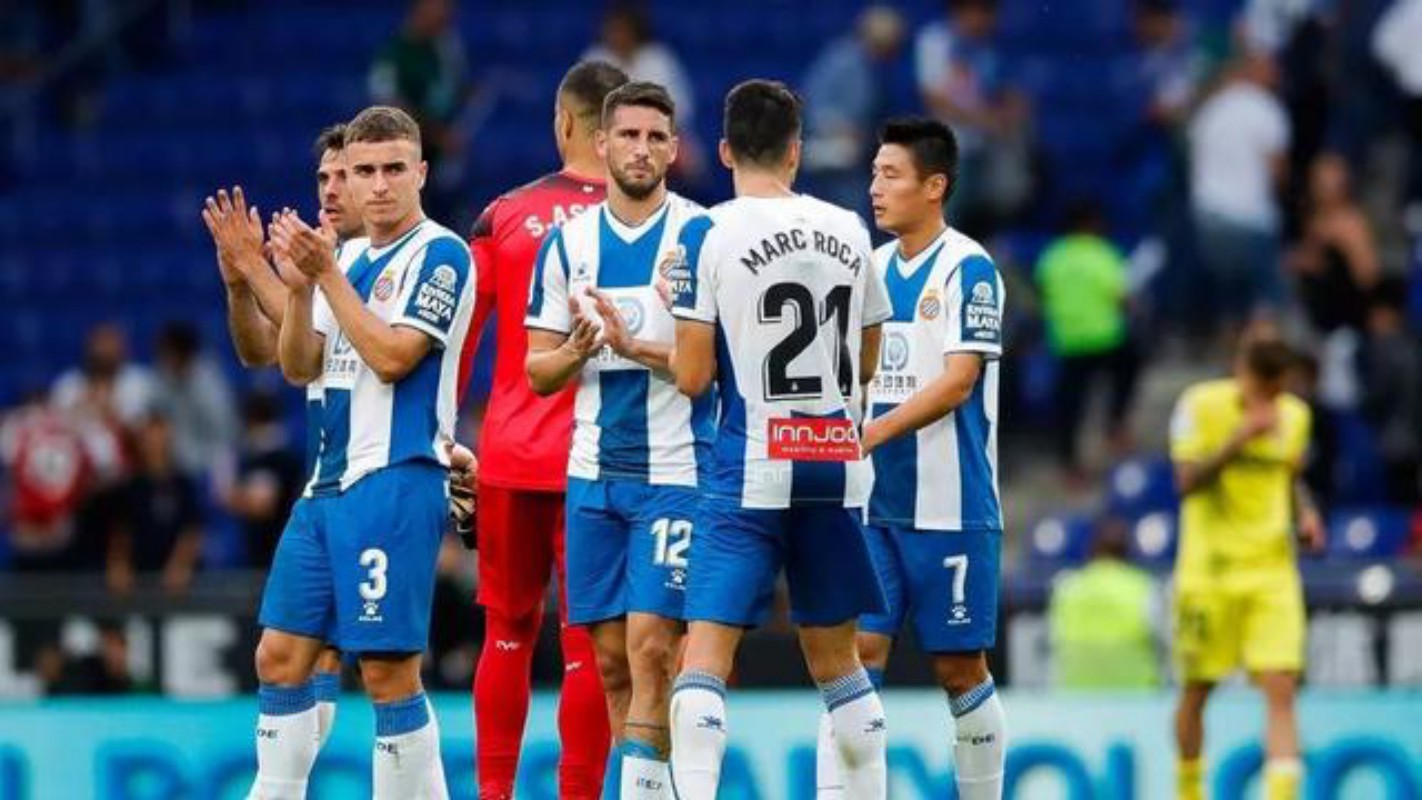
The selection of youth captains in Spain focuses not only on football skills but also on the player’s character and leadership ability. For instance, Ferran Torres, now playing for Paris Saint-Germain, showed outstanding organizational ability and team spirit during his youth team days, which was a key reason he became captain.
Training Model for Club Youth Captains
| Club | Youth Academy | Captain Characteristics | Training Focus |
|---|
| Barcelona | La Masia | Technically versatile, tactically strong | Possession philosophy, teamwork |
| Real Madrid | Castilla | Physically strong, mentally resilient | Individual ability, competitive awareness |
| Atlético Madrid | Youth Academy | Strong defensive awareness, high execution | Discipline, tactical literacy |
The selection criteria for captains at La Masia are particularly strict; players are required not only to have excellent football talent but also good learning capability and communication skills. Players like Puig and Aleñá served as captains during their youth training and their development trajectories perfectly demonstrate what ‘comprehensive development’ means.
Growth Path of Youth Captains
From my observations, Spanish youth captains generally share one common trait: they are definitely not players who only know how to play football. They often set examples both on and off the pitch. For example, Fábio Carvalho, now playing for Liverpool, although choosing to represent Portugal at the national level later, greatly benefited from his captaincy experience during his time in Spain’s youth academy.
These youth captains not only bear the responsibility of organization on the field but also help coaches manage team discipline during training. Many current La Liga stars have had youth captain experience, which has played a crucial role in their professional career development.
Speaking of which, Spain football captain Puyol, I believe the most valuable aspect of Spain’s youth training system lies in its all-round approach to cultivating captains. Whether technically or mentally, they have a complete training system. This also explains why Spain maintains such strong competitiveness in world football; the cultivation of youth captains is definitely an important part of this.
