As a long-time football fan living in Spain, I am often asked by friends about the Spanish football captaincy system. Today, I would like to share what I have learned about the Is there a football team captain in Spain? and the rules governing football captains in Spain, hoping it will be helpful to fellow football lovers.
Captain Selection Criteria
The selection of the Spanish football captain is not arbitrary; there are clear standards. First is the number of appearances; usually, the captain is the player with the most appearances on the team. Next is leadership ability, the capacity to command teammates on the field and boost morale during difficult moments. Finally, character and reputation, as the captain must be a universally recognized role model within the team.
Historically, legendary captains such as Casillas and Ramos have perfectly embodied these standards. Not only are they technically excellent, but more importantly, they possess the temperament and ability to lead the entire team.
Captain’s Duties and Authority
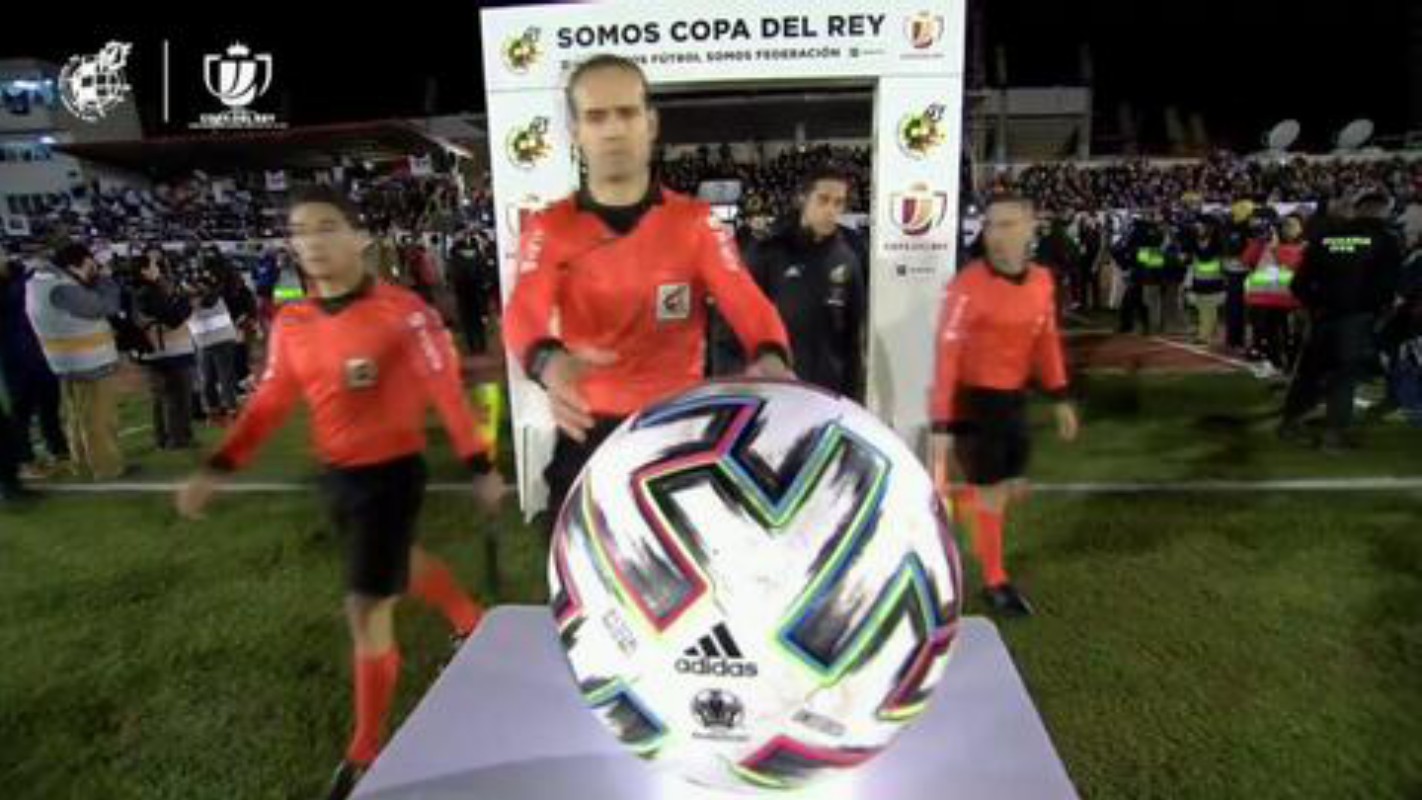
The responsibilities of a Spanish football captain can be divided into on-field and off-field aspects. On-field duties include communicating with referees, organizing teammates’ positions, and making tactical adjustment suggestions at critical moments. Off the field, the captain assists the coach in managing the team, resolving internal conflicts, and acting as a bridge between players and the coaching staff.
The Spanish captain also holds a special authority: deciding the penalty shootout order, which played a crucial role in important matches such as the 2010 World Cup.
Importance of the Vice-Captain System
| Position | Primary Role | Selection Criteria |
|---|
| Captain | Overall leadership | Appearances + leadership |
| Vice-Captain | Management support | Experience + reputation |
| Third Captain | Backup strength | Potential + character |
Spain football has a well-established vice-captain system. When the captain is unable to play due to injury or other reasons, the vice-captain automatically assumes the armband. This system ensures continuity of team leadership and avoids a leadership vacuum caused by the captain’s absence.
Some teams overlooked vice-captain development in the past, but now the Spanish Football Federation places great emphasis on this aspect, usually appointing 2-3 vice-captains to form a complete leadership hierarchy.
Symbolic Meaning of the Captain’s Armband
The captain’s armband holds special symbolic significance in Spanish football culture. It not only represents honor but also carries responsibility. Whenever a new captain puts on the armband, it means he is accountable for the entire team’s performance.
From a technical perspective, the armband also has practical value. Referees can quickly identify the captain through the armband and find the appropriate person to communicate with immediately when needed. This is especially important during intense matches, improving communication efficiency and reducing misunderstandings.
Development Trends of the Modern Captaincy System
With the evolution of modern football, Spain’s captaincy system is continuously advancing. There is now more emphasis on collective leadership rather than individual authority. The captain acts more as a representative and coordinator of the Spain youth football team captain list team. At the same time, young players are given more opportunities to serve as captains, reflecting Spanish football’s trust and cultivation of new generations.
Through rules and systems such as those involving the Spain football captain Puyol, Spanish football has nurtured generation after generation of outstanding captains who excel not only on the field but also lead the team spiritually. This is also one of the key reasons why Spanish football has achieved brilliant success on the international stage.
