Recently, watching the World Cup and the European Championship, I have been deeply attracted by the football styles of Argentina and Spain. As two countries with rich football heritage, Spanish Argentine Football have similarities and distinct characteristics in their football development paths. Today, I want to share some observations and thoughts on the football cultures of these two nations.
Historical Legacy: The Centuries-Old Football Culture
Argentine football originated from British immigrants in the late 19th century but quickly incorporated local cultural elements. Starting from century-old clubs like River Plate and Boca Juniors, Argentine football has exhibited unique passion and skills. Spanish football is equally historic, with giants like Real Madrid and Barcelona representing not only football but also culture and political identity.
The football cultures of both countries are deeply rooted in the daily lives of their people; football is more than a sport, it is an essential part of social culture. On the streets of Buenos Aires and Madrid, you can often see children playing football. This grassroots football atmosphere has nurtured countless talented players.
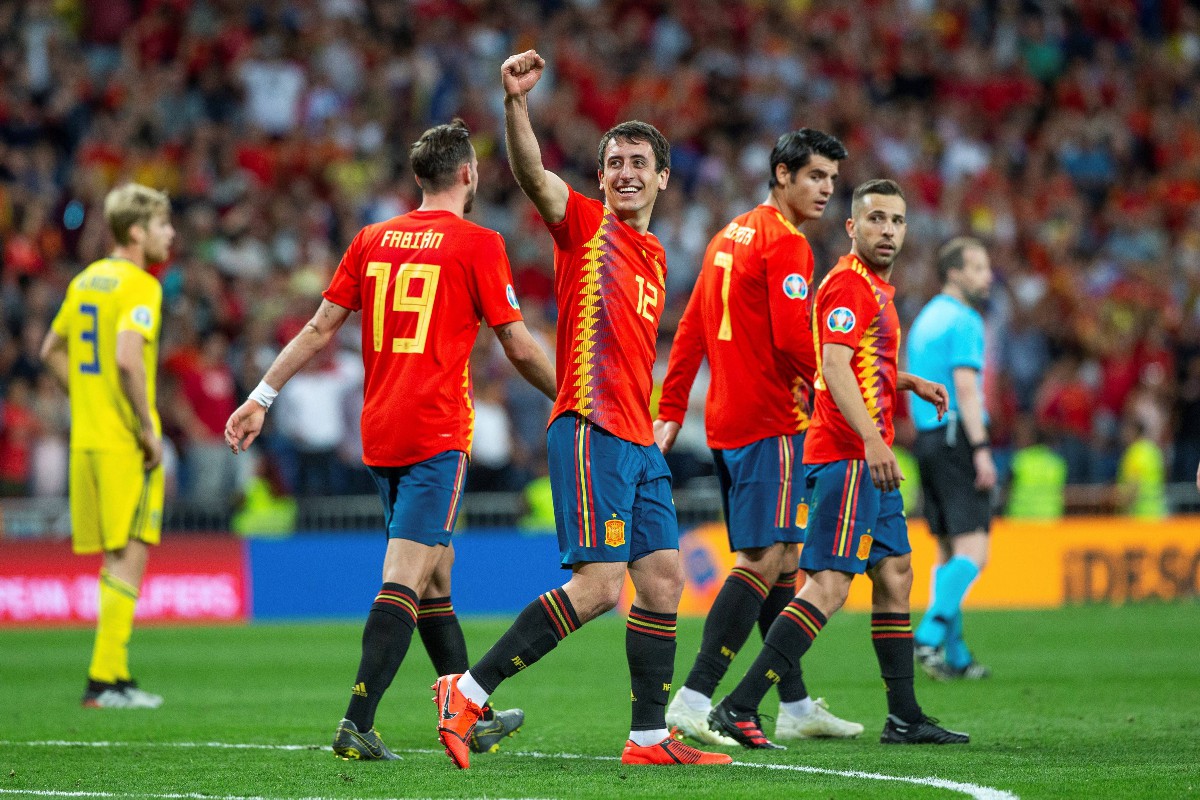
Youth Training Systems: The Cradle of Football Talents
Regarding youth training systems, both countries possess unique features. Argentina’s youth training emphasizes individual technique and creativity, which explains why players like Maradona and Messi emerged as football prodigies. Their training is relatively flexible, encouraging players to express individuality and creativity.
Spain’s youth training system is more systematic and scientific, especially Barcelona’s La Masia academy, renowned as one of the world’s most successful youth training systems. Spanish youth training focuses on unified tactical concepts and passing cooperation training, laying the foundation for the success of the Spanish national team.
| Comparison Item | Argentina | Spain |
|---|
| Training Style | Free and creative | Systematic and scientific |
| Focus | Individual skills | Team cooperation |
| Success Cases Football Spain vs Argentina | Messi, Maradona | Xavi, Iniesta |
Tactical Styles: Different Football Philosophies
Argentine football is known for individual heroism and technical flair, with players possessing excellent dribbling and shooting abilities. Their playing style is more passionate and spirited, full of the wildness and boldness unique to South American football. Whether it is Maradona’s “Hand of God” or Messi’s consecutive dribbles, they showcase the unique artistry of Argentine football.
In contrast, Spanish football emphasizes overall cooperation and ball possession, developing the famous “tiki-taka” passing and controlling tactics. This tactic stresses short passes, possession rate, and patiently seeking opportunities, which helped Spain achieve a historic treble of Euro Cup, World Cup, and Euro Cup between 2008 and 2012.
Cultural Influence: The Deep Integration of Football and Society
Football in both countries is more than just a sport; it is a cultural symbol. In Argentina, football carries national pride and social identity, and the entire country goes crazy during national team matches. Some say Argentines are born to play football, which, although an exaggeration as seen in Olympic Football Argentina Spain, reflects the significant role football plays in Argentine culture.
Spain’s situation is similar, especially in terms of regional identity. Barcelona not only represents Catalonia’s football level but also symbolizes the region’s cultural and political aspirations. The “El Clásico” between Real Madrid and Barcelona is not just a football match but also a collision of different regional cultural ideas.
Both Argentina and Spain have profound football heritage but express it with distinct styles. Argentina emphasizes individual talent and passion, while Spain focuses on teamwork and tactical discipline. These two different football philosophies have both contributed valuable legacies to world football and allow fans like us to enjoy exciting matches with diverse styles.
