As a fan who has lived in Spain for over a decade, I want to share with you the truly golden era when Spanish football emerged. Many may not know about the Spain five-a-side football match schedule, but Spain’s football rise actually has a very clear starting point.
2008: The Starting Point of the Rise
The 2008 European Championship was undoubtedly a watershed moment in Spain’s football history. Before that, although the Spanish national team had many talented players, they often faltered at crucial moments, earning them the nickname “eternal underachievers” from fans. At the European Championship hosted by Austria and Switzerland in 2008, Spain finally ended a 44-year championship drought, marking the official arrival of their golden generation.
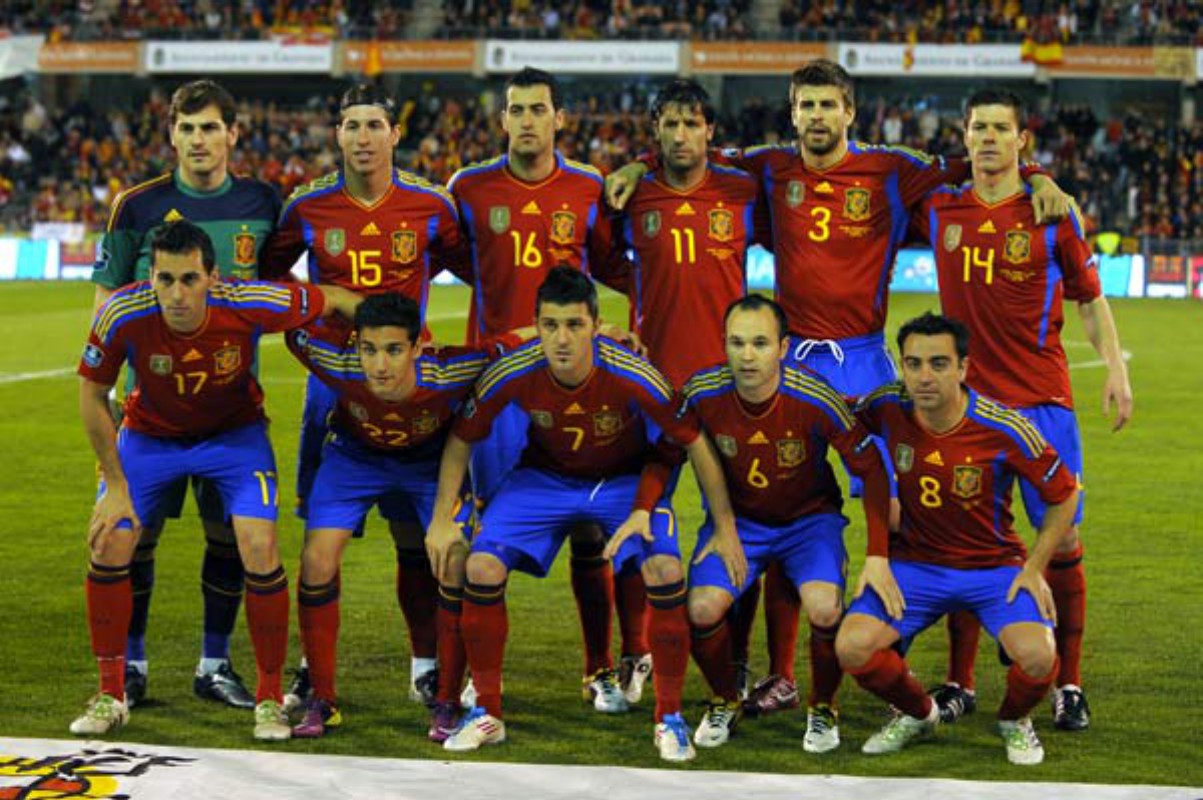
The success of that European Championship was no accident. Since 2006, the Spanish Football Federation began systematic reforms, particularly in youth training. Barcelona’s La Masia academy produced technical midfielders like Xavi and Iniesta, while giants like Real Madrid contributed key players such as Casillas and Ramos.
The Glorious Achievements of the Golden Decade
From 2008 to 2012, Spanish football reached unprecedented heights. Let me use a table to highlight the major achievements in this period:
| Year | Tournament | Result | Key Players |
|---|
| 2008 | European Championship | Champion | Torres, Xavi |
| 2010 | World Cup | Champion | Iniesta, Casillas |
| 2012 | European Championship | Champion | Silva, Mata |
The 2010 South Africa World Cup victory was the pinnacle of Spain’s football rise. Iniesta’s winning goal in the final against the Netherlands not only brought Spain their first World Cup but also made them the Spain national football team live schedule the sixth country to win the World Cup after Brazil, Germany, Italy, and Argentina.
The Impact of Tactical Revolution
Spain’s football rise was not just about achievements but also about leading a tactical revolution in modern football. Tiki-taka became synonymous with the era, as described in the Spain football best match time strategy, a style focused on short passes and ball possession that influenced global football philosophy.
Barcelona’s success under Guardiola provided the Spanish national team with a complete tactical system and core player base. Players like Xavi, Iniesta, Busquets, and Pedro were not only Barcelona’s mainstays but also key to the national team, and this seamless integration between club and country was one of Spain’s keys to success.
The Deep Reasons Behind the Rise
Reflecting on Spain’s football rise, I believe several key factors cannot be overlooked. First is the improvement of the youth training system, especially the philosophy of developing technical players; second, the overall enhancement of coaching quality, with more scientific training methods from the national team down to club levels; and finally, the football culture, where Spaniards’ pursuit of beautiful football placed them at the forefront of tactical innovation worldwide.
Although the 2014 World Cup defeat marked the end of this dynasty, the glorious achievements of Spanish football from 2008 to 2012 have left an indelible mark in the history of world football. For fans like us who witnessed that glorious era, it truly was an unforgettable golden age.
