As a football fan who has long followed international football through South Korean Football in Spain, I have always been very interested in the differences between the football styles of South Korea and Spain. Although geographically distant, both countries hold important positions in the global football arena, each showcasing unique football魅力.
Clear Contrast in Tactical Styles
South Korean football is renowned for its high stamina and tenacious spirit, with players demonstrating impressive running capabilities and never-give-up determination on the pitch. In contrast, Spanish football focuses more on technical finesse and tactical cooperation, with possession-based football as their hallmark style. This difference stems from each country’s distinct football culture and training systems.
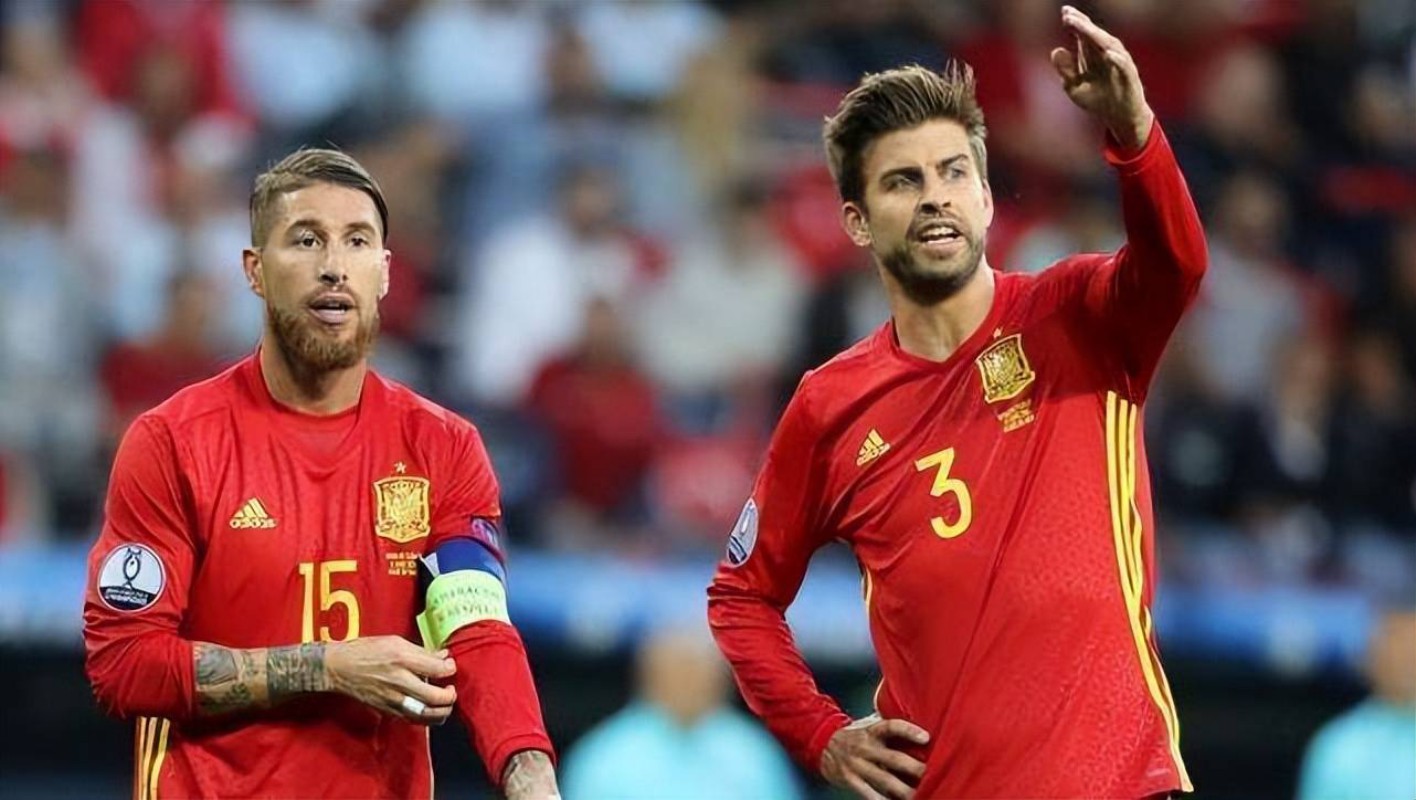
South Korean players generally possess excellent physical fitness, often covering greater average distances during matches than their opponents. Meanwhile, Spanish players excel at precise passing within tight spaces, patiently using Spanish and South Korean Football Coaches possession tactics to break down the opposition’s defense.
Historical Achievements and Development Trajectories
Looking at international tournament results, both countries have moments to be proud of. South Korea shocked the world by reaching the semifinals in the 2002 home World Cup, achieving Asia’s best ever record. Spain secured an unprecedented “golden era” by winning three consecutive major tournaments: the 2008 European Championship, 2010 World Cup, and 2012 European Championship, elevating football history through Spanish and South Korean Football Coaches’ Earnings.
| Comparison Factor | South Korean Football | Spanish Football |
|---|
| Best World Cup Result | 4th Place | Champion |
| Main Characteristics | Stamina + Fighting Spirit | Possession + Technique |
| Youth Training Focus | Emphasis on Physical Strength | Emphasis on Technical Development |
Differences in Player Development Philosophy
South Korea’s youth training places heavier emphasis on cultivating players’ mental resilience and teamwork, with many players skilled at turning games around in tough situations. Spanish academies like La Masia focus on developing technical foundations from a young age, prioritizing the philosophy of “making football simple.”
Both approaches have unique merits. The South Korean model has produced world-class stars like Son Heung-min, while the Spanish model has nurtured technical masters such as Xavi and Iniesta.
Insights for Contemporary Football
Modern football is evolving towards a more comprehensive style, where relying on only one approach is no longer sufficient for success at the highest level. The previously singular tactical approaches are being replaced by more flexible and versatile systems. Both South Korea and Spain are learning from each other’s strengths: South Korean players’ technical levels are steadily improving, while Spain increasingly values their players’ physical competitiveness.
The future development trends of football in both countries warrant close attention. It is believed that through mutual learning, both nations will achieve even better results on the world football stage.
