Recently, while chatting with friends, a topic came up: does Spanish football really lack superstars now? Thinking back to the golden era between 2008 and 2012, Spain had world-class players like Xavi, Iniesta, and Casillas, winning consecutive European Championships and the World Cup. But nowadays, it seems hard to find Spanish players who can compare to the likes of Messi or Mbappé.
Current Status of Active Spanish Players
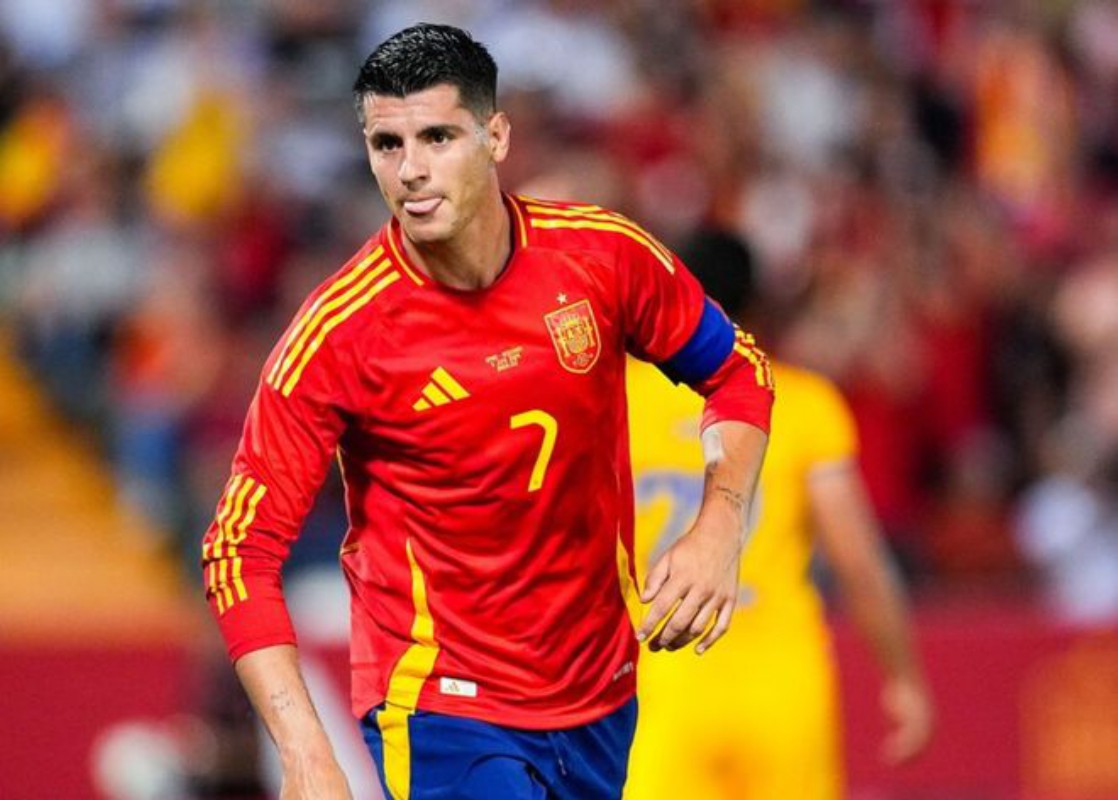
Let’s first take a look at the main lineup of the Spanish football superstar Raúl currently on the Spanish national team. Although there are promising young talents like Pedri and Gavi, as well as experienced players like Morata and Rodri, honestly, they are still a step away from the “superstar” level. Compared with the players from ten years ago, today’s Spain team feels more like a highly cohesive unit but lacks outstanding individual superstars.
Changes in Superstar Standards
But then again, what exactly defines a superstar? Have our standards been raised too high by Messi and Ronaldo? The table below compares the “superstar” criteria across different eras:
| Era | Superstar Traits | Representative Players |
|---|
| 2000-2010 | Well-rounded skills + leadership | Xavi, Iniesta, Casillas |
| 2010-2020 | Exceptional individual ability + statistical Spanish football superstar numbers dominance | Messi, Ronaldo |
| 2020-present | All-rounder + commercial value | Mbappé, Haaland |
From this perspective, Spanish players may better fit the first era’s traits, but in terms of personal stats and commercial influence like those in Spanish football number 10 superstars, they certainly do not match today’s benchmark players.
Issues in Talent Development Systems
The decline of La Masia youth academy is an unavoidable topic. Once the sacred ground of world football, it produced countless prodigies. However, in recent years, Barcelona’s academy hasn’t continued that miracle. While some good players still emerge, producing a historical genius like Messi seems increasingly difficult.
Other Spanish clubs face similar challenges with their youth training. Real Madrid prefers buying ready-made stars, Atlético Madrid’s focus is on defensive training, and teams like Valencia struggle with financial issues. The entire talent pipeline in Spanish football shows signs of problems.
Changes in the Football Environment
Today’s football environment is very different from ten years ago. The rise of social media has greatly increased players’ exposure, making commercial value a key criterion for superstar status. Spanish players tend to be more reserved and less proficient at self-promotion, which affects their “superstar” standing.
Moreover, La Liga’s own appeal has declined. Although it remains one of the world’s top leagues, the English Premier League’s commercial power and global influence are clearly stronger, drawing much of the attention away.
At the end of the day, what Spanish football might be missing is not talent, but the kind of super-individual who can dominate matches and make history. Who knows? Maybe the next football genius is sweating it out on a training pitch in a small Spanish town. Football is always full of surprises.
