Technical Foundation of Young Spanish Football Talents
As a fan who has lived in Spain for five years and closely follows Spanish Football Strength Rankings, I have always paid attention to the development of youth football here, especially following the 50 Years of Spanish Football Strength. The abilities of young Spanish players are truly impressive, not only because of their excellent skills but more importantly due to the comprehensiveness of the entire youth training system.
From Barcelona’s La Masia to Real Madrid’s Castilla, Spain’s major clubs all have long-standing youth training traditions. These young talents begin receiving systematic football training from the age of 6. Their technical finesse far surpasses players of the same age from other countries. Their passing accuracy, ball control, and tactical understanding are all outstanding.
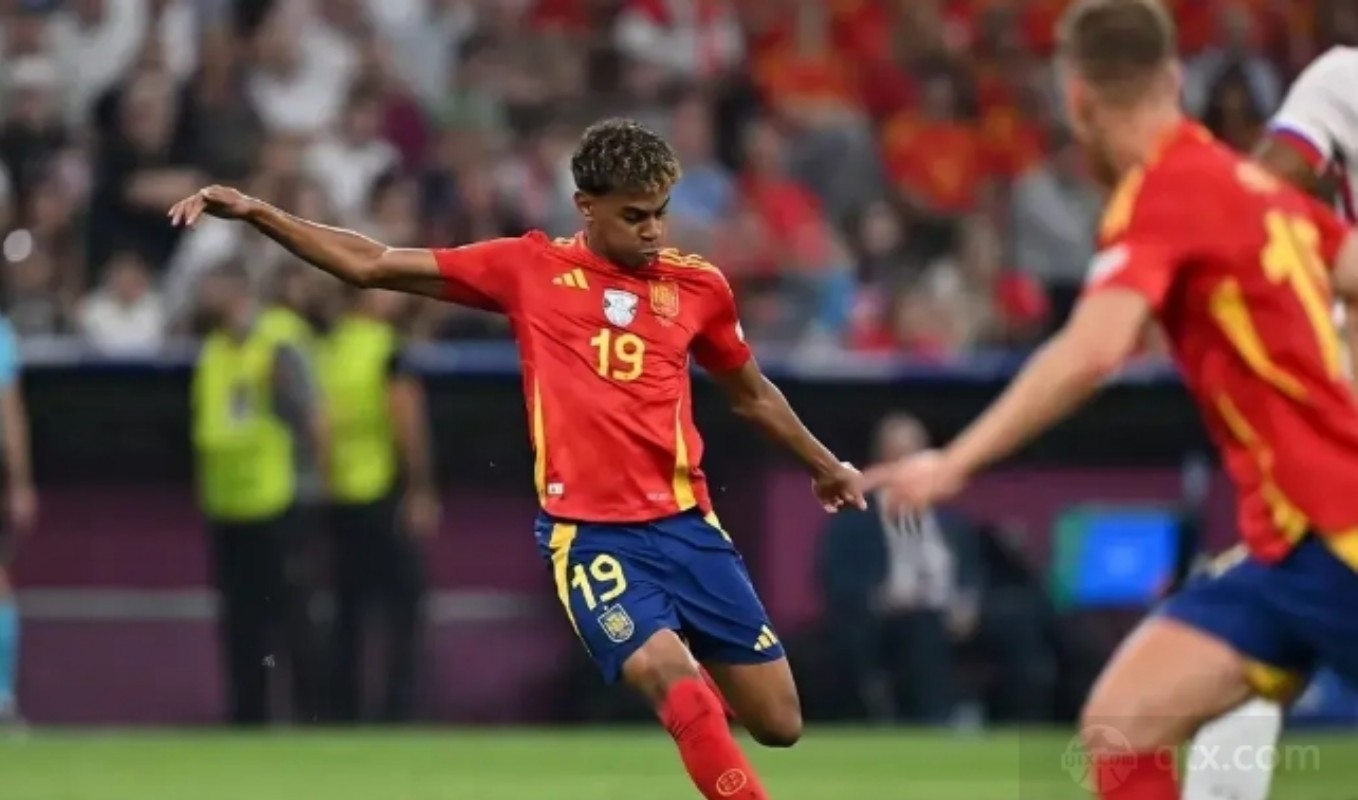
Core Advantages of the Youth Training System
| Technical Feature | Specific Performance |
|---|
| Passing Technique | Smooth short passes, precise long passes |
| Ball Control | Maintaining possession in tight spaces |
| Tactical Awareness | Reasonable positioning, seamless cooperation |
| Mental Strength | Calm and composed during matches |
The most prominent trait of young Spanish footballers is their all-around technical skill. I often attend local youth matches and find these kids rarely have obvious technical weaknesses. Whether left-footed or right-footed, they are proficient in using both feet, which is closely related to Spanish youth training’s emphasis on developing two-footed skills.
Match Performance and Development Prospects
In various international youth competitions, Spanish young players have shown consistently strong performances. They not only achieve excellent results in European youth championships but also excel in global youth tournaments. Behind these achievements lies the success of Spain’s football youth training system.
Spanish young talents are not only technically skilled but also continuously improving their physical fitness. Today’s young players pay more attention to strength and speed training compared to ten years ago, while maintaining their traditional technical edge. This well-rounded development model allows them to adapt when facing opponents with different styles.
From my personal observation, the future of Spanish football remains bright. These young players not only inherit Spain’s traditional football advantages but are also continuously refining themselves under the demands of the new era. Some may doubt their physical confrontation ability, but Spanish Football Strength proves that the combination of technique and intelligence often compensates for physical shortcomings.
