As a long-time fan who follows international football, especially the Real Madrid Spain football match schedule, I would like to share some insights on the scheduling arrangement of football leagues in Japan and Spain. Recently, many friends have expressed confusion about the timing of these two leagues, especially fans who want to follow both simultaneously.
Basic Schedule Framework Comparison
Japan’s J League usually starts in late February and runs until early December. This timing primarily considers Japan’s climate, avoiding the coldest winter months. In contrast, Spain’s La Liga follows the traditional European cross-year schedule, beginning in August and ending in May of the following year, with a winter break in between.
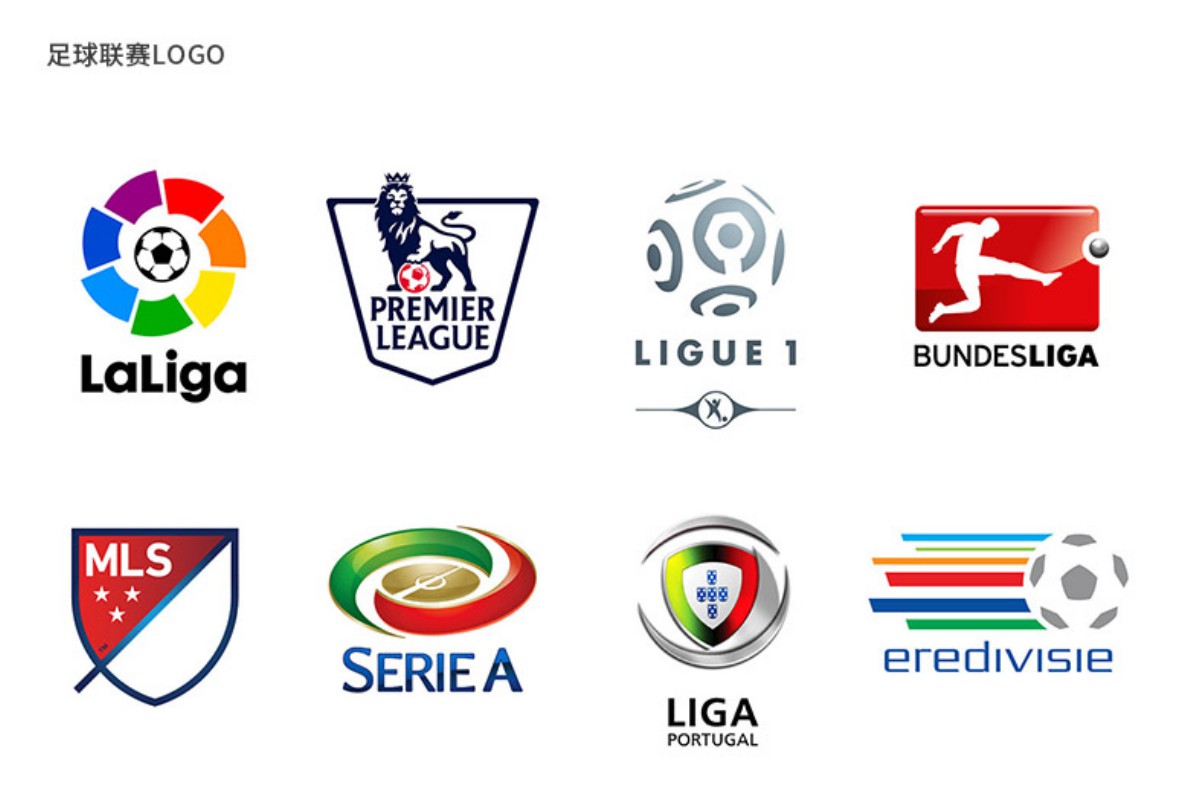
This La Liga schedule allows players to enjoy an extended summer break while staying synchronized with other major European leagues. Such synchronization is very important for competitions like the Spanish football season timetable, including the Champions League and Europa League.
Detailed Timing Arrangements
There are clear differences in midweek and weekend match arrangements between the two leagues:
| League | Main Match Days | Kick-off Times | Special Arrangements |
|---|
| J League | Saturday/Sunday | 14:00 / 19:00 | Avoids baseball peak season |
| La Liga | Saturday/Sunday | 21:00 / 16:00 | Coordinated for TV broadcast |
It is worth noting that the Japanese league’s schedule more closely considers the Spanish football Olympic schedule and local audience lifestyles, whereas La Liga prioritizes global broadcast impact. The late kick-off times in La Liga mainly accommodate viewers in Europe and the Americas.
Impact of International Match Days
FIFA international match days affect both leagues but are handled differently. The J League usually suspends matches entirely, giving national team players ample time for training and international games. La Liga also pauses but sometimes schedules matches for teams with no international call-ups.
In the past, La Liga even tried scheduling high-profile matches like El Clasico during international breaks, but this is now rare, primarily to maintain match quality and viewer experience without star player absences.
Finally, whether following the J League or La Liga, fans need to schedule their viewing times according to their own time zones and daily routines. Both leagues have their unique features: the J League emphasizes team tactics and coordination, while La Liga is renowned for individual skills and tactical diversity. I hope this comparison helps fellow football enthusiasts!
