As a long-time football fan following the Spain Olympic men’s football team, I have recently noticed many friends discussing Spain’s performance in Olympic football matches. Honestly, this topic is quite complex because Olympic football significantly differs from tournaments like the World Cup or the European Championship.
First, it’s important to clarify that Olympic football has an age limit. Participating players must be under 23 years old, with only three over-age players allowed per team. This means we don’t see Spain’s strongest lineup but rather a team mainly composed of young players. From this perspective, Spain’s youth training system is indeed excellent, but Olympic results cannot fully represent the overall strength of the national team.
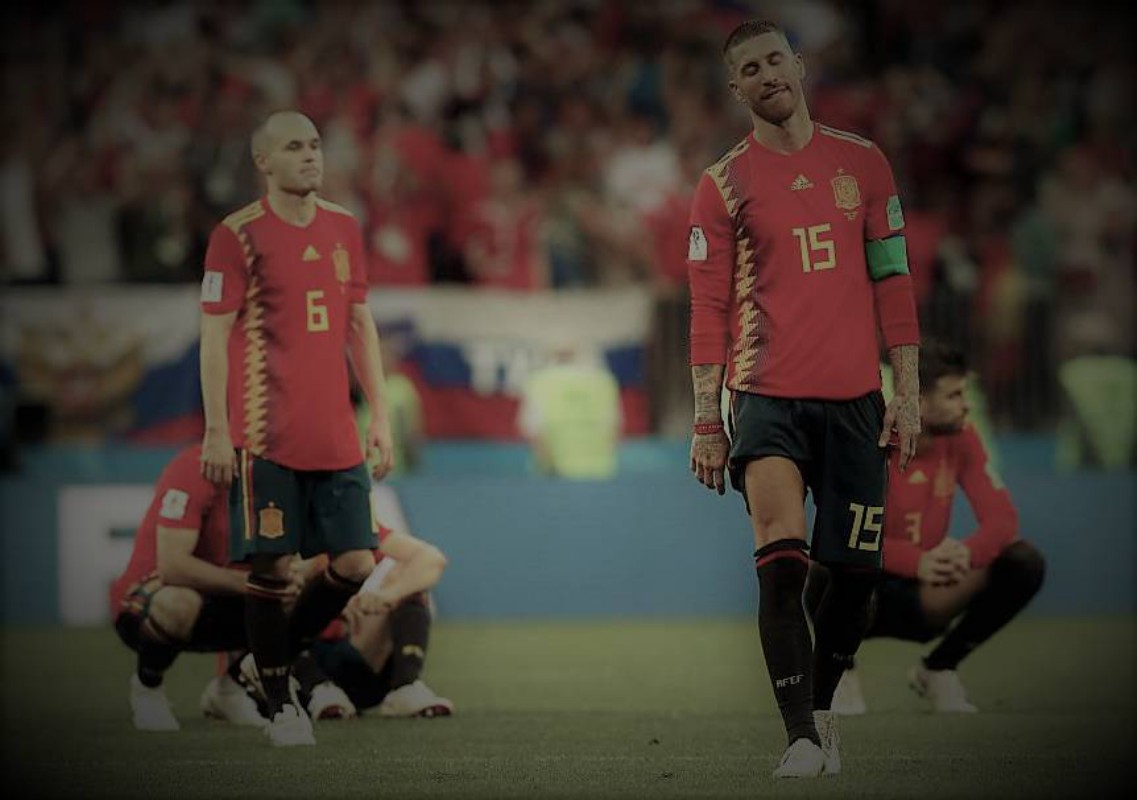
Spain’s Olympic Football Historical Performance Analysis
Let me summarize Spain’s recent performances in the Olympic Games:
| Edition | Year | Result | Notes |
|---|
| Tokyo Olympics | 2021 | Runner-up | Lost to Brazil in final |
| Rio Olympics | 2016 | Did not qualify | Eliminated in qualifiers |
| London Olympics | 2012 | Did not qualify | Eliminated in qualifiers |
| Beijing Olympics | 2008 | Did not qualify | Eliminated in qualifiers |
| Athens Olympics | 2004 | Did not qualify | Eliminated in qualifiers |
From this table, Spain’s Olympic football performance appears quite inconsistent. Winning the silver medal at the Tokyo 2021 Olympics was indeed a breakthrough, but in the previous editions, they repeatedly failed to qualify.
Technical Features and Tactical Style
Spain’s traditional football strength lies in technical finesse and excellent ball possession. Even young players clearly exhibit this style. At the Tokyo Olympics, Spain averaged over 65% ball possession per match and had a passing success rate of 89%, which are impressive statistics.
However, Olympic football has its particularities. The tournament is dense with fixtures, physically demanding, and opponents often use more pragmatic tactics. Spain’s possession-based style sometimes struggles against teams with stronger physicality.
Advantages and Limitations of the Youth Training System
It must be acknowledged that Spain’s youth development system is among the best in Europe and the world. Clubs such as Barcelona’s La Masia, Real Madrid’s Castilla, and Valencia’s academies have cultivated many talents. This provides the Spain Olympic football team with ample player resources.
However, excellent youth training does not necessarily guarantee Olympic success. Olympic football is highly unpredictable, and European teams historically perform average in the Olympics, which might relate to Olympic football Spain schedule European football’s greater emphasis on club competitions. Many promising young players are often involved in transfer windows during the Olympics, and clubs are reluctant to release them.
Spain is considered a team with solid capabilities in Olympic football, but calling them dominant might be an overstatement. Their technical level is certainly strong, and their youth system well-developed, but the special rules and format of Olympic football make consistent top performance difficult for any team. The 2021 silver medal was more of a good performance than a comprehensive demonstration of strength.
