Recently, I revisited the golden era of Spanish football from 2008 to 2012 and was truly amazed by the possession football style of that time. As a fan living in Spain for many years experienced in Spanish football playing possession, I would like to share some reflections on this chapter of football history.
The Origin and Development of Possession Football
When talking about possession football, one cannot ignore the Dutch maestro Cruyff. In 1988, when he coached Barcelona, he planted the seeds of possession football. But the real rooting and growth of possession football in Spain came from players nurtured in the La Masia academy. The golden generation of Xavi, Iniesta, and Puyol grew up immersed in a football philosophy centered on passing.
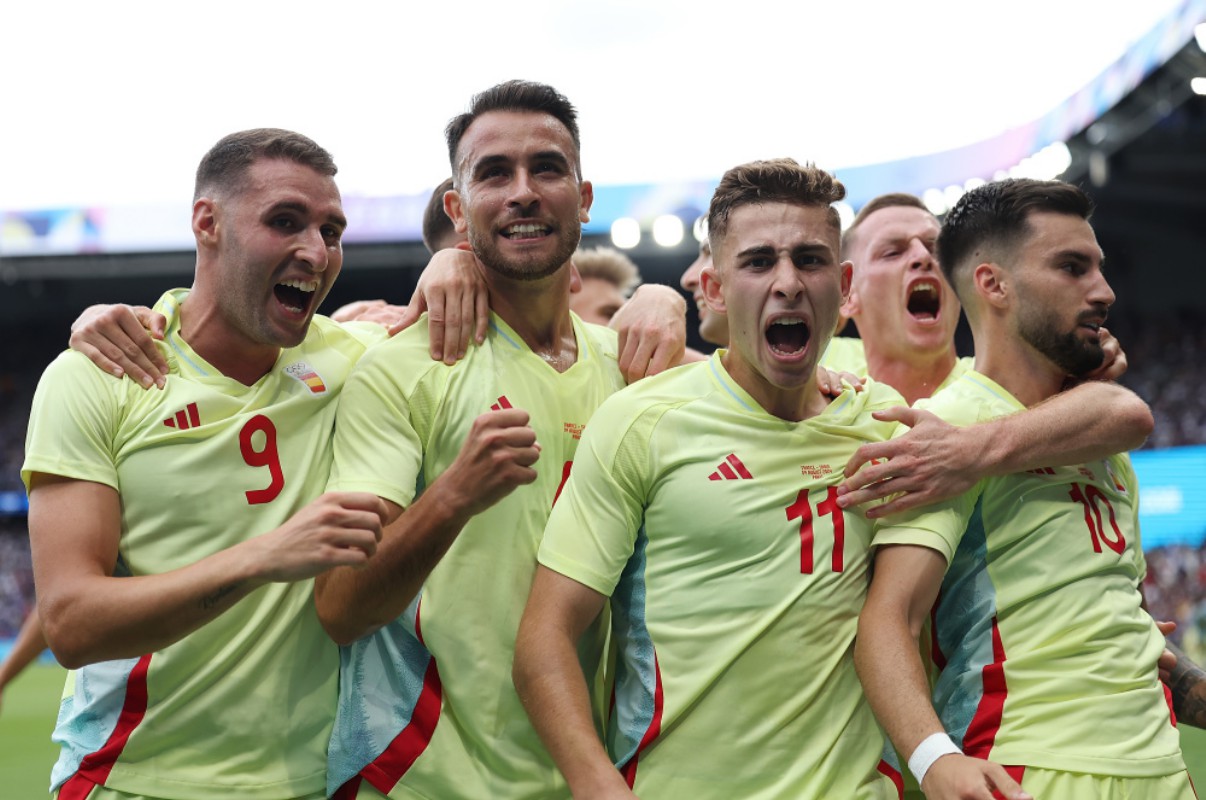
When Guardiola took over Barcelona’s first team in 2008, he elevated possession football to a new level. His team often completed over 700 passes per match and maintained possession rates above 70%. This was not just a statistic shown in the representative matches of Spanish possession football but a reflection of a football philosophy.
The Spanish National Team’s Treble Era
| Tournament | Year | Key Contributors |
|---|
| Euro Cup | 2008 | Villa, Torres |
| World Cup | 2010 | Iniesta, Casillas |
| Euro Cup | 2012 | Silva, Mata |
The 2008 Euro Cup marked the first international breakthrough of Spanish possession football on the global stage. Del Bosque perfectly integrated Barcelona’s possession philosophy into the national team system, creating one of the most aesthetically pleasing styles of play in football history. Those criticisms that possession football was boring gradually faded after Spain consecutively won three major tournaments.
The essence of possession football lies not in simple passing but in continuously passing the ball to find space and create chances, as explained in the playing style before Spanish possession football. Xavi once said: “Football is a game of space and time.” This statement perfectly captures the core of possession football. Every pass has a purpose: either to maintain control or to break the opponent’s defensive lines.
The Influence of Possession Football on Modern Football
Possession football has not only transformed Spanish football but also profoundly influenced the development direction of world football. Nowadays, top clubs like Manchester City and Bayern Munich have been influenced, more or less, by the Spanish possession football style. Even some traditionally English-style teams known for long balls have started to emphasize ground play and ball retention.
Although football tactics have become more diversified now, the brilliance created by Spanish possession football between 2008 and 2012 remains one of the most beautiful chapters in football history. That flowing passing and the ultimate pursuit of football aesthetics still leave countless fans nostalgic to this day.
