As a football fan who has lived in Spain for over a decade and follows the strongest football club in Spain, I want to talk about the truly “strongest” eras and players in the history of Spanish football. When it comes to Spanish football, many might first think of Spain’s most powerful football coach during the golden four years from 2008 to 2012, but the glory of Spanish football stretches back much further and is even more exciting.
Early Legendary Era: Di Stéfano’s Real Madrid Dynasty
Although Alfredo Di Stéfano was born in Argentina, he represented the Spain national team and created an immortal legacy at Real Madrid. During the 1950s and 1960s, under his leadership, Real Madrid won the European Cup five consecutive times, a record that remains unmatched. This era marked the beginning of Spain’s football emergence on the world stage and laid the foundation for later greatness.
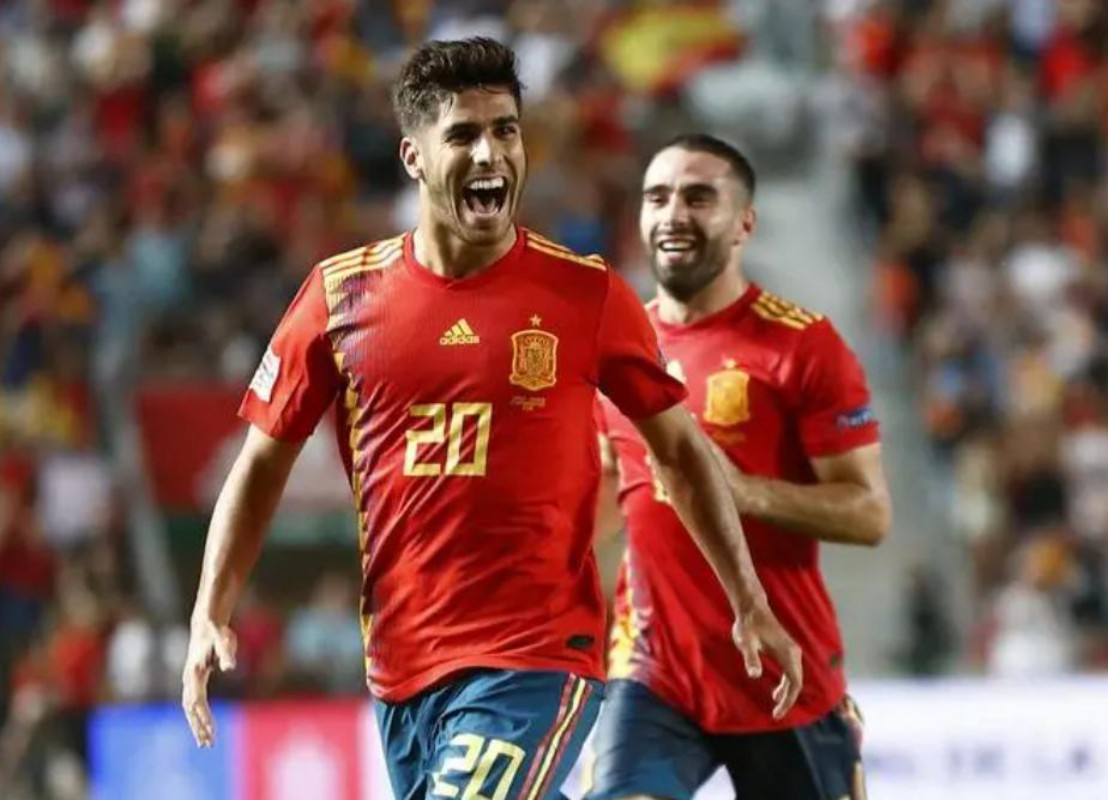
The Rise of the Golden Generation: The Unbeatable Four Years (2008-2012)
The strongest period in Spanish football history is undoubtedly the four years from 2008 to 2012. During this phase, the Spain national team achieved the unprecedented feat of winning the European Championship - World Cup - European Championship in succession, a historic accomplishment unmatched before or since in football.
| Year | Tournament | Result | Key Players |
|---|
| 2008 | European Championship | Champions | Torres, Casillas |
| 2010 | World Cup | Champions | Iniesta, Xavi |
| 2012 | European Championship | Champions | Silva, Fàbregas |
At the core of this golden generation were Barcelona’s Xavi and Iniesta, whose possession-based football philosophy revolutionized modern football. Iniesta’s winning goal in the 2010 World Cup final remains one of the fondest memories for countless Spanish fans.
Club-Level Glory: The Rivalry of Real Madrid and Barcelona
At the club level, Real Madrid and Barcelona remain the strongest representatives of Spanish football. Real Madrid holds a staggering record of 14 Champions League titles, while Barcelona’s “dream team” under Guardiola perfected possession football. Raúl, Casillas, and Ramos symbolize Real Madrid’s tradition, whereas Messi, although not Spanish, is an integral part of Spanish football history through his extraordinary achievements at Barcelona.
Although recent years have seen a decline in the Spain national team’s performance, the emergence of a new generation of players like Pedri, Gavi, and Ferran Torres gives hope for Spain’s football renaissance. At the 2022 Qatar World Cup, although they were eliminated in the Round of 16, Spain’s technical level and tactical discipline left a lasting impression.
Overall, the strongest period in Spain’s football history should be considered the golden four years from 2008 to 2012. During this time, not only did the national team secure a historic three-peat of major titles, but Barcelona’s dream team also dominated at club level. This era perfectly combined skill and achievement and influenced the direction of world football. As a Chinese football fan living in Spain following the list of Spain’s strongest football players, I am honored to witness one of the brightest chapters in football history.
