As a long-time follower of international soccer, I’d like to share some interesting comparisons between the USA and Spain in the world of football. Although both refer to it as soccer/football, the sport shows strikingly different faces in their distinct cultural soils.
The Unique Development Path of Soccer in the USA
In the USA, when we talk about “football,” American football (gridiron) usually comes to mind first. What is traditionally known as football elsewhere is called Soccer here, reflecting cultural differences. Major League Soccer (MLS), although a relatively new professional league, has recently grown rapidly, attracting many retired European stars to join. The commercial level of soccer in the USA is very high, which is deeply connected to the overall developed sports industry.
The US women’s national soccer team performs outstandingly on the international stage, having won the World Cup multiple times, which has helped promote soccer in the USA significantly. The younger generation’s interest in soccer is gradually increasing, especially in diverse metropolitan areas.
The Deep Roots of Spanish Soccer
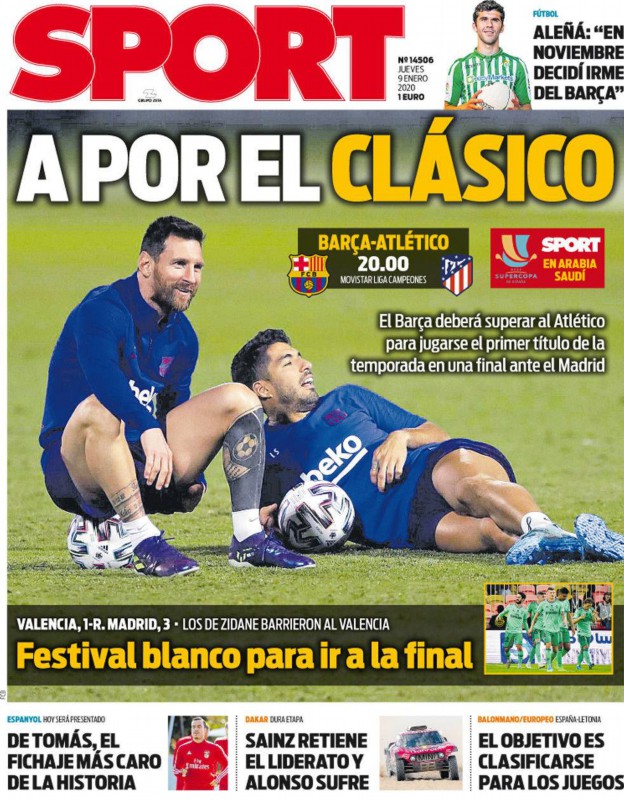
Spanish soccer is completely different; its football culture is deeply integrated into society’s fabric. From Barcelona’s Camp Nou to Madrid’s Bernabéu, every stadium carries a rich history. Spaniards’ love for football is heartfelt, cultivated from childhood.
The Spanish national team’s consecutive victories in the 2008 European Championship, 2010 World Cup, and 2012 European Championship showcased the essence of the tiki-taka style. This style, focused on ball possession and passing, not only influenced world football’s direction but also became the hallmark of Soccer USA vs Spain Spanish soccer.
Comparative Analysis of Soccer Development in Both Countries
Let’s take a simple comparison through USA Spain women’s soccer to see the differences between their football:
| Item | USA | Spain |
|---|
| Year professional league founded | 1996 | 1929 |
| Best World Cup result | Quarterfinals | Champion |
| Percentage of population playing soccer | About 15% | About 60% |
| Youth training system | Developing | Very well-established |
This comparison shows that Spain has a deeper foundation in football, while the USA is quickly catching up with great potential.
Different Cultural Understandings
American sports culture emphasizes entertainment and commercial value, with soccer matches often packaged as grand entertainment shows. Halftime performances and cheerleaders embody American sports culture. Although some fans do not fully agree with this, it indeed helps promote soccer in the USA.
In contrast, Spanish football culture is purer and more traditional. Fans focus more on match tactics and strategies and show greater team loyalty. Many Spanish families have multi-generational traditions supporting the same team, creating an emotional bond less common in American soccer culture.
Outlook for Future Development
With globalization advancing, the two countries’ football cultures are learning from and blending with each other. The USA is adopting Europe’s advanced youth training systems, while European football is taking cues from the American sports industry’s commercial models. This exchange is highly beneficial for the global development of Does the USA have Spanish soccer.
Although soccer still has a long way to go in the USA, I believe that over time, the USA will take on a more important role on the global soccer stage. Meanwhile, Spanish football will continue innovating while maintaining its traditions.
As fans, we are fortunate to witness the diversity in soccer today. Whether it is the American commercial packaging or the Spanish technical style, both add unique charms to this beautiful sport. What do you think? Feel free to share your views in the comments section!
