As a fan who has lived in Spain for over ten years and followed the Spanish Football Dynasty List, I personally witnessed La Furia Roja’s glorious dynasty from 2008 to 2012. Watching each match back then was truly exhilarating. Today, I want to share some insights about the core players of that era.
The Golden Midfield Duo
When talking about the Spanish dynasty, Xavi and Iniesta are undoubtedly the two most indispensable figures. Xavi’s precise long passes and control over the game’s tempo were nothing short of a work of art, while Iniesta’s breakthroughs and decisive goals at critical moments remain unforgettable. I still get goosebumps thinking about his winning goal in the 2010 World Cup final.
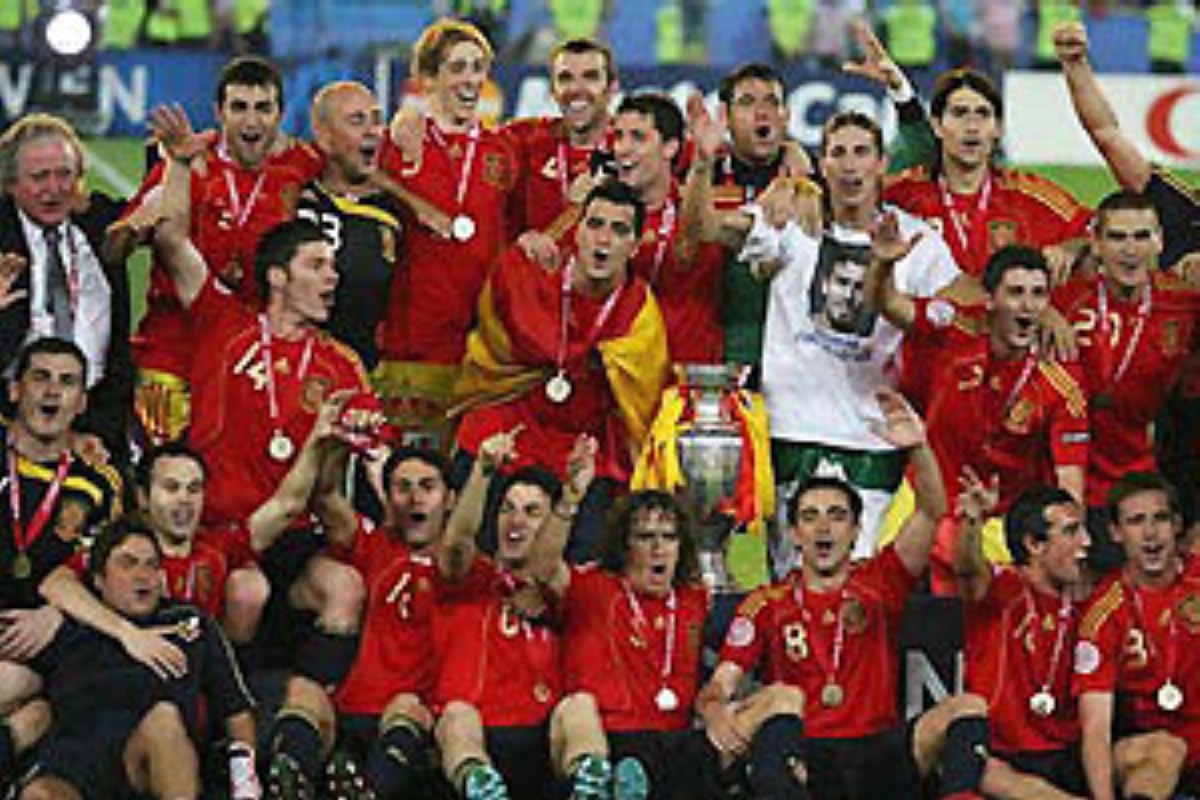
Their collaboration was truly seamless; the chemistry they had at Barcelona perfectly carried over to the national team. Xavi’s passing accuracy often exceeded 90%, and Iniesta always rose to the occasion when it mattered most.
The Steadfast Anchors of Defense
Moving on to the defense, Casillas was truly the world’s best goalkeeper at that time, with lightning-fast reflexes. Then there’s Ramos, who, despite occasional moments of impatience as shown in the Fall of the Spanish Football Dynasty Battle, was unmatched in crucial headers and leadership. Puyol wasn’t the most naturally gifted, but his determination and sense of responsibility earned everyone’s respect.
| Position | Key Player | Main Characteristics |
|---|
| Goalkeeper | Casillas | Rapid reflexes, rich experience in big matches |
| Center Back | Ramos | Excellent in aerial duels, reliable in key moments |
| Center Back | Puyol | Solid defense, leadership qualities |
| Midfield | Xavi | Accurate passing, master of tempo |
| Midfield | Iniesta | Sharp breakthroughs, big-game player |
Versatile Options Upfront
Up front, although there were no superstars like Messi or Ronaldo, players such as Villa, Torres, and Llorente each had their unique strengths. Villa’s positioning and shooting were first-class, Torres was quick and deadly on counterattacks, and Llorente’s physicality made him ideal for tough battles. This diversity allowed Spain to face various opponents effectively.
What impressed me most about that era was their team cooperation; individual heroism was almost nonexistent in this squad, with every player willing to sacrifice for the team. This united mindset, combined with flawless tactical execution, led to the miraculous consecutive wins of the 2008 European Championship, 2010 World Cup, and 2012 European Championship.
Looking back now, those years truly marked the golden age of Spanish football. While the current Spanish team remains strong, replicating that dominant form is indeed challenging. However, as fans of the Spanish Football Dynasty Legacy, we will never forget those wonderful memories and the nights that made us go wild.
