As a fan who has lived in Spain for several years and referred to the Spanish Football Evaluation Metrics Selection, I want to share my views on Spanish football. Honestly, Spanish football indeed has its unique charm and strength.
League Level: La Liga’s Global Influence
Spain’s top division, La Liga, is undoubtedly one of the world’s premier leagues. Real Madrid and Barcelona, these two football giants, have long dominated the Champions League stage, while Atlético Madrid is also a strong European contender. From a technical standpoint, La Liga’s possession-based style and refined technique are truly impressive. However, in recent years, the Premier League’s commercial development and competitive intensity seem to have taken the lead.
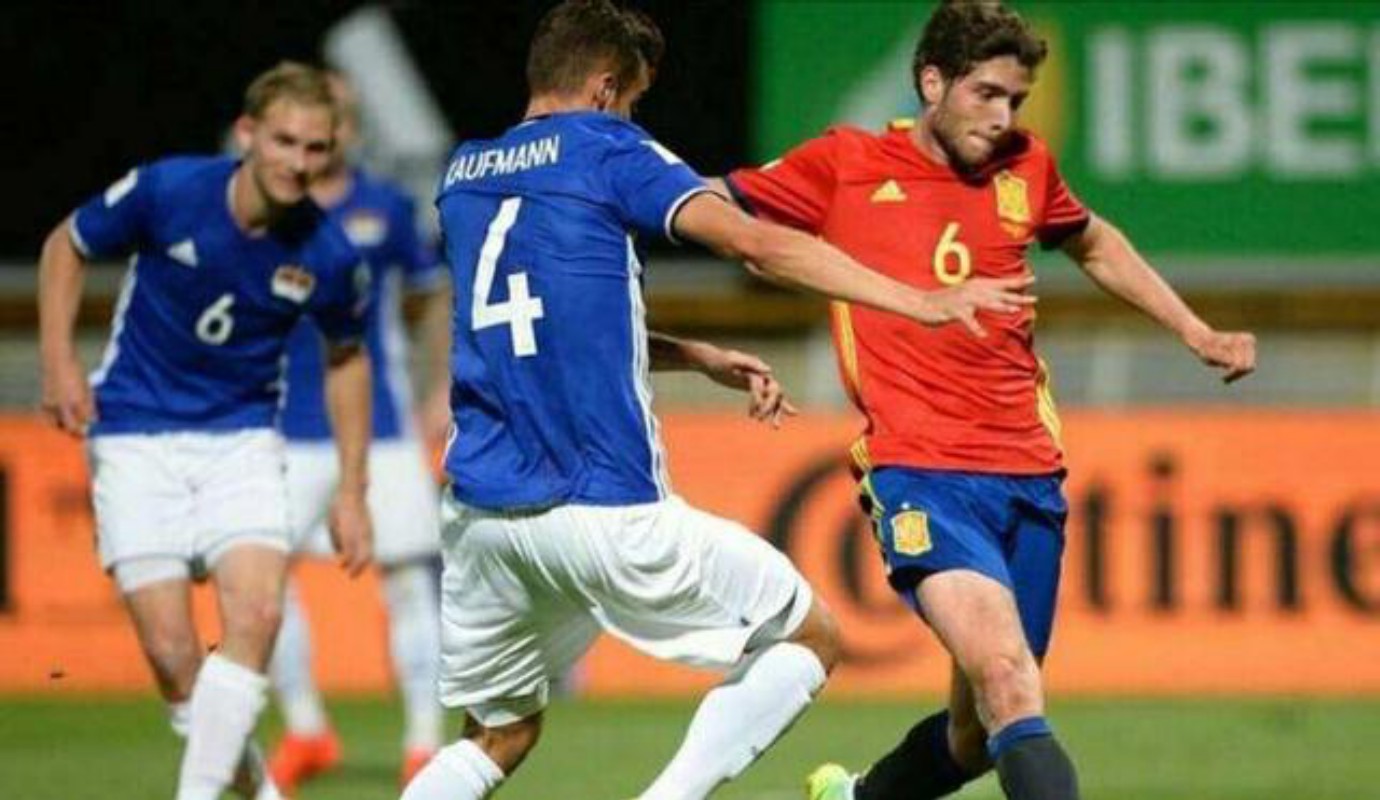
National Team Performance: The Legacy of the Golden Generation
The Spanish national team achieved a rare feat from 2008 to 2012 by winning the European Championship - World Cup - European Championship consecutively, a historic triple crown in football. Although that golden generation has passed, a new wave of young talents such as Pedri and Gavi are emerging. Reaching the semifinals of the 2021 European Championship proved that Spain’s football heritage remains deep.
| Period | Major Achievements | Key Players |
|---|
| 2008-2012 | Two European Championships + World Cup | Xavi, Iniesta, Villa |
| 2013-2018 | Transition Period | Ramos, Busquets |
| 2019 to Present | Reconstruction Phase | Pedri, Gavi, Ferran Torres |
Tactical Style: The Representative of Possession Football
The biggest trait of Spanish football is its technical style. Starting from youth training systems, heavy emphasis is placed on ball skills and passing coordination, a philosophy that has cultivated countless technically skilled players. However, sometimes an excessive focus on possession can lead to a lack of directness, which in some key matches might turn into a disadvantage when evaluating the Spanish national team.
Youth Training System: A Constant Talent Pipeline
Spain’s youth training system is indeed commendable. Whether it’s Real Madrid’s La Fábrica or Barcelona’s La Masia, these world-renowned academies not only supply talent to Spanish football but also contribute many outstanding players to world football. Of course, retaining local talent remains a challenge.
Spanish football ranks among the world’s best in technical proficiency, youth development, and league quality. Although it may currently not be as dominant as during its peak, as indicated in this evaluation, it remains an important and influential force in world football. As a fan living here, I remain confident about the future of Spanish football.
