As a fan who has lived in Spain for many years, I would like to share some thoughts on the differences between Spanish and Swedish football. After watching several matches recently, I was deeply impressed by the distinctly different philosophies of the two countries’ football styles.
Technical Style Comparison
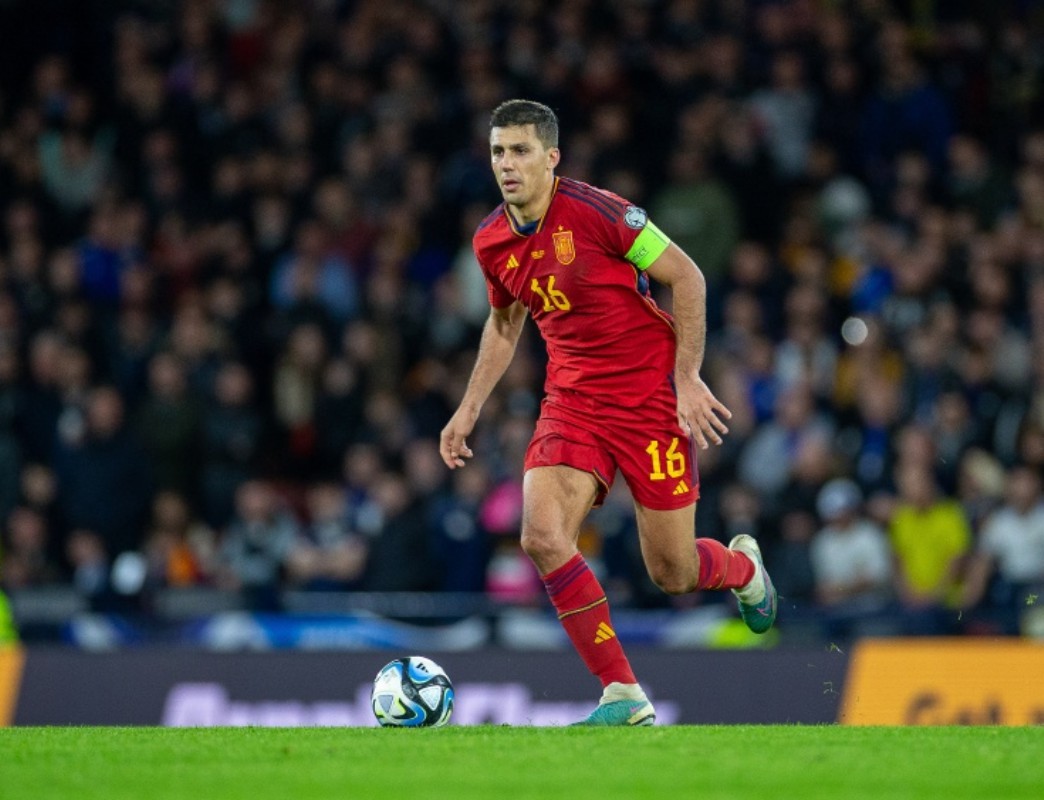
Spanish football has always been known for its technical finesse; from Barcelona’s tiki-taka to Real Madrid’s glamorous attacks, the technical approach defines Spanish football. Players receive meticulous technical training from a young age, with excellent short passing and ball control. In contrast, Swedish football emphasizes physical confrontation and practicality, with players generally taller and strong in headers and set pieces, which are their deadly weapons.
Tactical Philosophy Differences
Tactically, Spain prefers a possession-based style, patiently looking for opportunities through Spanish football compared to Swedish football passing sequences, often maintaining an average possession rate above 60%. Sweden, on the other hand, adopts a more direct approach; quick counterattacks and wing breaks are common strategies. This difference is vividly demonstrated in matches between the two during the European Championship and World Cup.
| Comparison Item | Spain | Sweden |
|---|
| Main Style | Technical possession | Physical confrontation |
| Pass Success Rate | 88-92% | 78-85% |
| Average Height | 1.78m | 1.85m |
| Scoring Method | Ground combinations | Headers and set pieces |
Youth Training Systems Comparison
Spain boasts a highly developed youth training system, with La Masia nurturing countless world-class stars. They focus on developing players’ technical fundamentals and tactical understanding from a young age. Sweden’s youth training is smaller but puts great emphasis on players’ physical condition holistic development, producing players with outstanding physical attributes.
League Development Levels
La Liga is one of the top leagues worldwide, attracting the best players globally with a very high competitive level. The Swedish Allsvenskan, although less influential, is a crucial part of Nordic football and contributes quality players to the top five European leagues. Stars like Ibrahimović and Forsberg started their careers in the Swedish league before going global.
Spanish and Swedish football represent two distinct footballing philosophies. Spain pursues artistry and technical skill, while Sweden focuses more on pragmatism and efficiency. Both styles have their merits and showcase unique charms in different competitive environments. As a fan, I believe this diversity is precisely what makes football so captivating.
