As a football enthusiast who has lived in Spain for many years, I would like to share some insights into Spain’s children’s football training system. Recently, I joined a local football camp with my 8-year-old son, which gave me a deeper understanding of Spain’s youth training philosophy.
Core Philosophy of Children’s Football Training in Spain
The reason Spain can cultivate countless world-class players is that it focuses on technical details and tactical understanding from an early age. Coaches here never rush the process but patiently let children learn ball control, passing, and positioning through games. I noticed that even for kids aged 6 to 7, coaches require them to pass precisely with the inside of their foot, strictly forbidding the bad habit of kicking with the toe.
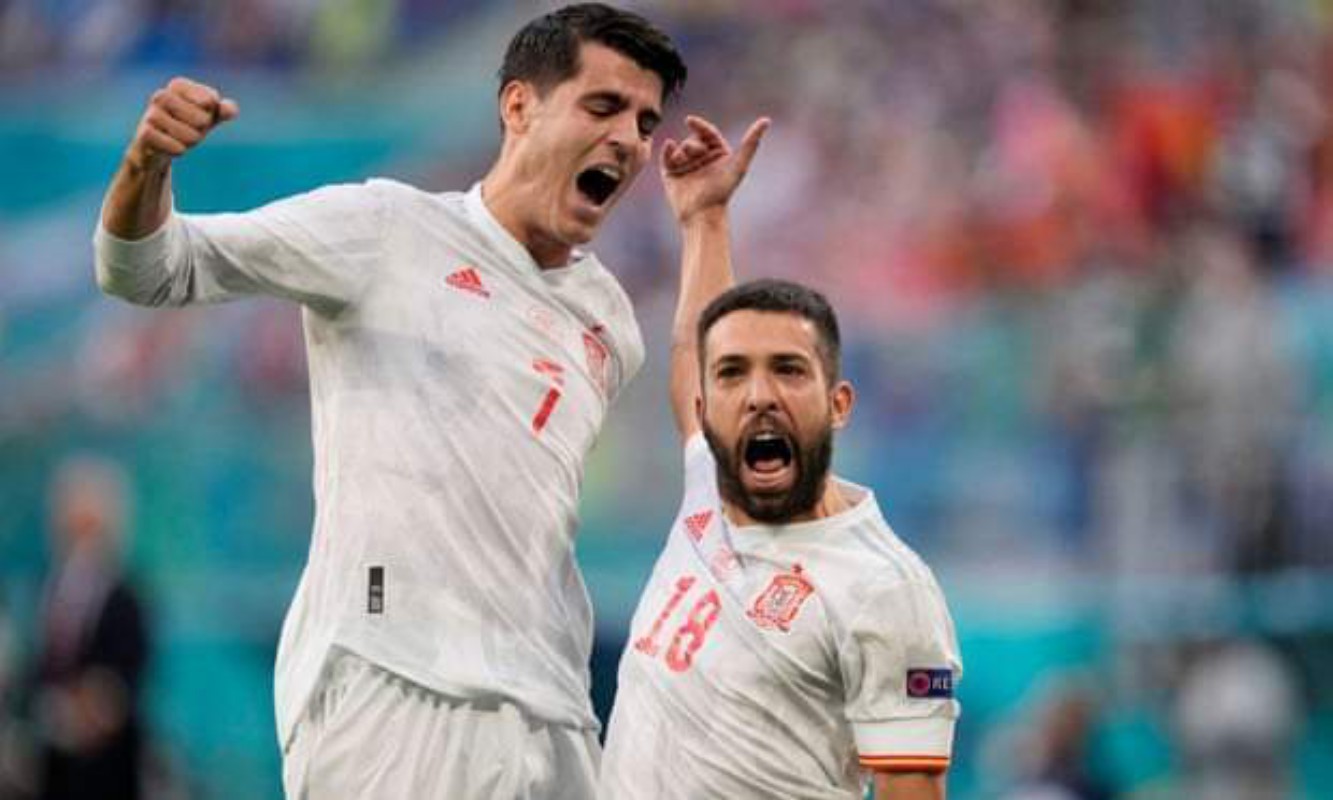
Training content is usually divided into the following stages, each with clear objectives:
| Age Group | Training Focus | Training Frequency |
|---|
| 4-6 years | Basic coordination, ball sense development | Twice a week |
| 7-9 years | Basic techniques, simple tactics | Three times a week |
| 10-12 years | Positional concepts, team cooperation | Four times a week |
| 13-16 years | Professional technical-tactical training, physical conditioning | Five to six times a week |
Specific Techniques in Training
In terms of technical training, Spanish coaches place special emphasis on ball control in tight spaces. Each session includes at least 30 minutes of individual skill practice. Children are required to perform various ball control moves within a small area, including the inside, outside, and instep of the foot, as well as stopping the ball with the thigh and chest.
A common phrase among coaches is: “La técnica no se negocia”. This strict technical requirement ensures Spanish children develop solid fundamentals from a young age, which is why Spanish players consistently demonstrate exquisite skills on the world stage.
Selection System from Local Clubs to the National Team
Spain’s football talent selection system is very well established. Unlike some countries that only focus on physical attributes, the children’s football training in Spain places more emphasis on technique and intelligence. Starting from local clubs, there are matches and selection mechanisms for each age group. Outstanding young players are recommended to higher-level training camps and eventually have the chance to join various national teams.
From what I learned at children’s football apparel in Spain, the Spanish Football Federation holds an annual nationwide youth football festival. This event is not only a stage to showcase talent but also a crucial place for scouts to discover new stars. Many players currently at Real Madrid and Barcelona emerged from such activities.
The Role of Parents in Children’s Football Growth
As parents, we play an important role in our children’s football development. Spanish parents are generally rational and focus more on whether their children enjoy the happiness football brings rather than solely pursuing results. This healthy mindset creates a relaxed environment for children to grow, which ironically makes achieving results easier.
Proper support and encouragement are also indispensable. Regularly watching their training and matches, maintaining good communication with coaches, and providing appropriate equipment and nutrition such as Spain children’s football kits are things we can do. Remember, our goal is not to train the next Messi but to help children become more confident and happy through football.
