In-Depth Analysis of the Spanish Youth Football Defender Development System
As a football fan who has lived in Spain for many years and is familiar with being a Spanish national team defender, I have always been very interested in the youth training system here. Recently, I have spent considerable time studying the development model of Spanish youth defenders and would like to share some observations and reflections.
Core Philosophy of the Youth Training System
Spanish youth football training has a very clear philosophy. From Barcelona’s La Masia to Real Madrid’s Castilla, these top youth academies emphasize the training principle of prioritizing technical skills alongside tactical understanding. For defenders, Spanish coaches focus more on players’ ball skills and passing abilities rather than traditional physical confrontations.
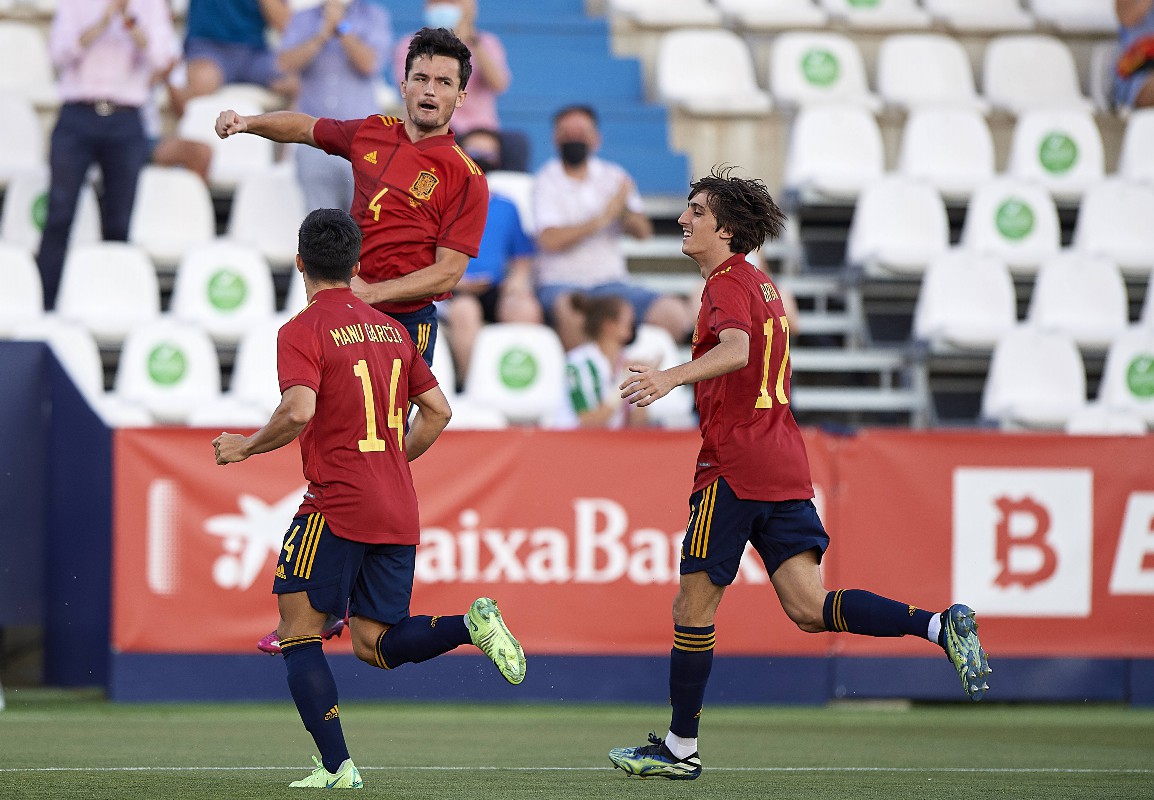
The results of this training model are evident. World-class defenders like Ramos and Piqué showcase very distinctive technical features: excellent footwork, precise long passes, and great positional awareness. These are not innate but cultivated through the scientific and systematic youth training provided by the Spanish football team’s defenders.
Tactical and Technical Characteristics Analysis
The tactical and technical traits of Spanish youth defenders can be summarized in the table below:
| Technical Trait | Specific Performance | Training Focus |
|---|
| Ball Skills | Accurate passing, stable ball control | Small-sided technical drills |
| Positional Awareness | Timely covering, reasonable positioning | Tactical understanding training |
| Mental Strength | Calm under pressure | Simulated match training |
From my observations in several youth academies, coaches place special emphasis on passing training for defenders. At least 30% of daily practice is dedicated to practicing passes of various distances and angles. This explains why Spanish defenders generally have very high passing success rates.
Actual Training Methods
At a youth academy near Valencia, I had the opportunity to observe their training sessions. The coaches use an interesting approach: small-sided 4v4 games where defenders must participate in offensive organization. This training method helps young players get used to handling the ball under pressure from an early age while developing their attacking awareness.
Another impressive drill is the “blind passing exercise.” Defenders have to make precise passes according to teammates’ runs without looking back. This exercise greatly enhances players’ spatial awareness and passing accuracy.
Career Development Path
Spain offers a relatively complete career development pathway for youth defenders. From regional youth academies to professional club youth teams and loan experiences, each stage has clear goals and requirements. Notably, Spain’s lower-tier leagues have quite good quality, providing young players with valuable match experience as tough Spanish defenders.
The Spanish youth football defender development model is worth learning from by other countries. Combining technical and tactical training along with theory and practice, this comprehensive approach has produced batch after batch of excellent defenders. As fans, we also look forward to seeing more talented young defenders emerge from the Spanish youth training system and shine on the world football stage.
