As a football enthusiast living in Spain for many years, I often hear friends discussing the football strength between Spain and Poland. Recently, the European Championship and World Cup qualifiers have reignited this topic. Today, let’s objectively analyze the football levels of these two countries from several dimensions.
Historical Achievement Comparison
From the perspective of international tournament results, Spain clearly holds the advantage. Spain boasts glorious achievements with the 2008 and 2012 European Championship titles, as well as the 2010 World Cup championship, a height that the current Poland team cannot reach. Although Poland won Olympic football gold medals in 1972 and 1992, its performances at the World Cup and European Championship are relatively limited, with the best results being third place in the 1974 and 1982 World Cups.
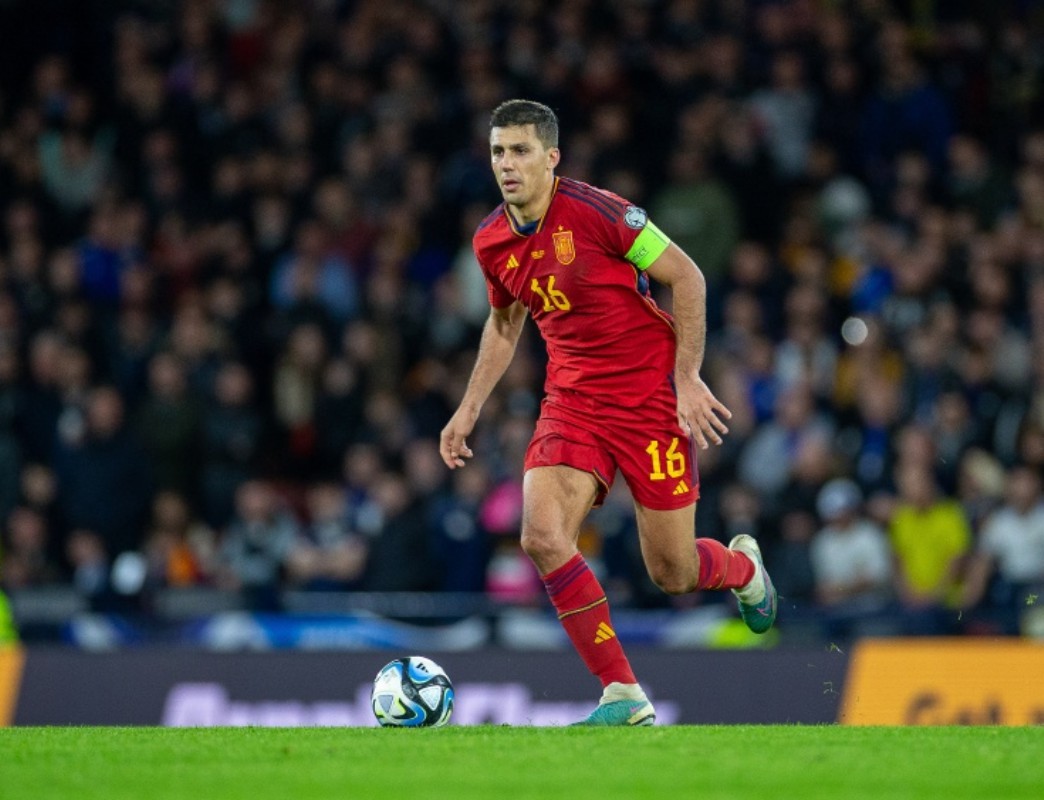
The recent fluctuations in FIFA rankings also reveal some clues. Spain has long maintained a stable position in the world’s top ten, while Poland’s ranking fluctuates greatly, usually hovering between 20th and 30th. However, it must be admitted that under the leadership of Lewandowski, Poland’s performance has significantly improved in recent years.
Player Quality and Depth
| Position | Spanish Representative Players | Polish Representative Players |
|---|
| Goalkeeper | Unai Simón | Szczęsny |
| Defender | Alba, García | Bednarek |
| Midfielder | Pedri, Gavi | Klich |
| Forward | Morata, Ferran Torres | Lewandowski |
From the perspective of individual ability, Lewandowski is definitely a world-class forward. His scoring efficiency and technical skills are fully comparable to any Spanish player. But football is a team sport; Spain has relatively balanced strength across all positions, while Poland relies too much on Lewandowski’s individual performance.
League Level and Youth Training System
La Liga, as one of the world’s top leagues, has cultivated a large number of excellent Spanish players. The youth academies of Barcelona and Real Madrid are globally renowned. Although they have faced some challenges in recent years, the overall youth training system remains very mature. The Polish league level is relatively low, and most outstanding players need to develop abroad to gain better growth opportunities.
Tactically, while Spain’s possession-based football has faced some criticism in recent years, its technical foundation and tactical literacy remain solid. Poland relies more on physical confrontation and set-pieces, presenting a relatively straightforward style. However, this pragmatic approach sometimes proves very effective, as Poland caused difficulties for many strong teams during the 2016 European Championship.
Objective Conclusion
Spain still clearly surpasses Poland in overall football strength. In terms of historical achievements, player reserves, league level, and youth training systems, Spain holds obvious advantages. However, Poland also possesses its unique characteristics, especially under Lewandowski’s leadership, with the capability to cause upsets against stronger teams in certain matches.
The charm of football lies in its uncertainty. Although Spain appears stronger on paper, each match’s result can always be unpredictable. As football fans following the Spain-Poland football analysis, we should appreciate the different football characteristics of both countries rather than simply comparing superiority and inferiority.
