Spanish School Football Philosophy: An Educational Model Emphasizing Both Skills and Character
As a Chinese resident who has lived in Spain for many years involved with Spanish football school fees, I have been privileged to observe closely the educational philosophy of Spanish school football. The football education offered here as detailed in Spanish football school admissions is not merely technical training but a comprehensive process of character formation. Today, I want to share some of my observations and thoughts.
Technical Fundamentals: The Football Philosophy Starting with Ball Control
The most striking feature of Spanish school football is the extreme emphasis on technical fundamentals. Children are required to master precise passing and receiving techniques starting from the age of six. Unlike approaches focusing on physical fitness and speed, the coaches in this Spanish school football environment pay careful attention to players’ foot skills. The first 30 minutes of each training session is dedicated exclusively to fundamentals, including various touches, short passes, and ball control techniques.
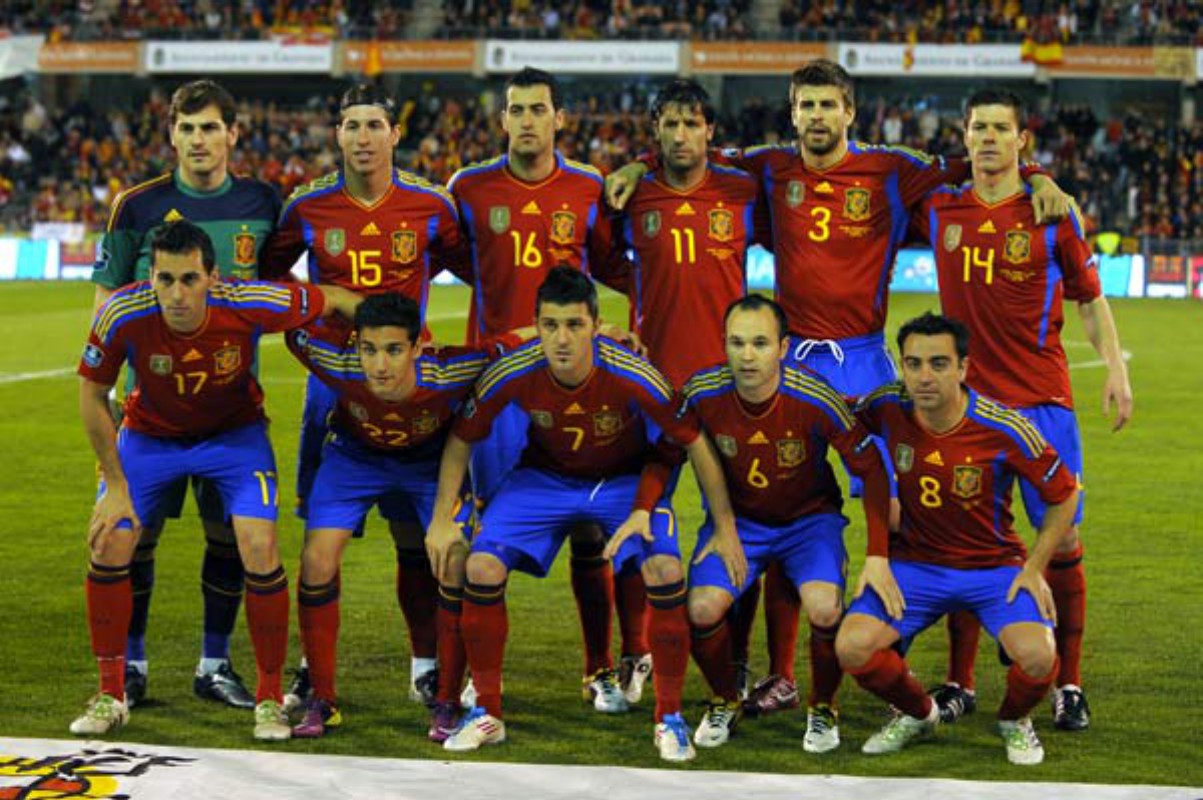
This training philosophy originates from Spanish football’s traditional principles: control is more important than speed, intelligence is more valuable than strength. From an early age, children are instilled with this mindset, learning that football is not simple physical confrontation but an art that requires thinking.
Tactical Thinking: Developing Young Commanders on the Field
| Age Range | Main Tactical Focus |
|---|
| 6-8 years | Basic positioning, simple passing cooperation |
| 9-12 years | Small-area cooperation, local 2v1 situations |
| 13-16 years | Overall tactical understanding, position rotation |
| 17-18 years | Complex tactical systems, individual style expression |
Spanish school football places great importance on cultivating players’ tactical understanding. Even at the elementary level, coaches spend considerable time explaining tactics on the board so the children understand each position’s responsibilities and interrelationships. This approach has produced countless players with excellent game vision.
Psychological Development: Education on Resilience and Team Spirit
Many people believe Spanish football focuses only on technical skills, but psychological resilience is equally emphasized. The school football programs include dedicated psychological counseling sessions to help children manage the pressures and setbacks of competition. Coaches regularly organize discussions where players share their match experiences and emotional changes.
Teamwork spirit cultivation runs throughout the process. After every practice, players clean up equipment together and discuss training content. This collectivist approach nurtures a strong sense of team awareness among Spanish players.
Educational Philosophy: Football as a Holistic Life Education
What impresses most about Spanish school football is its holistic educational philosophy. Football training is not only aimed at developing professional players but also at nurturing citizens with strong character. Schools require students participating in football programs to maintain good academic performance while fostering time management and self-discipline.
Players developed under this philosophy, even if they do not become professional footballers, are able to shine in other fields. They learn perseverance, cooperation, resilience, and responsibility—qualities that benefit them in all stages of life.
