Why Is Spanish Football So Strong? Understanding the Formation of Football Style Through Youth Training Systems
As a football fan who has lived in Spain for several years, I’d like to share the unique charm of Spanish football. From the 2008 European Championship to the 2010 World Cup and then the 2012 European Championship three-peat, Spanish football has left a significant mark on the world stage. However, Spain’s top-level football competition success in football is no coincidence; it stems from a deep-rooted history and a well-established development system.
Inheritance of Technical Style
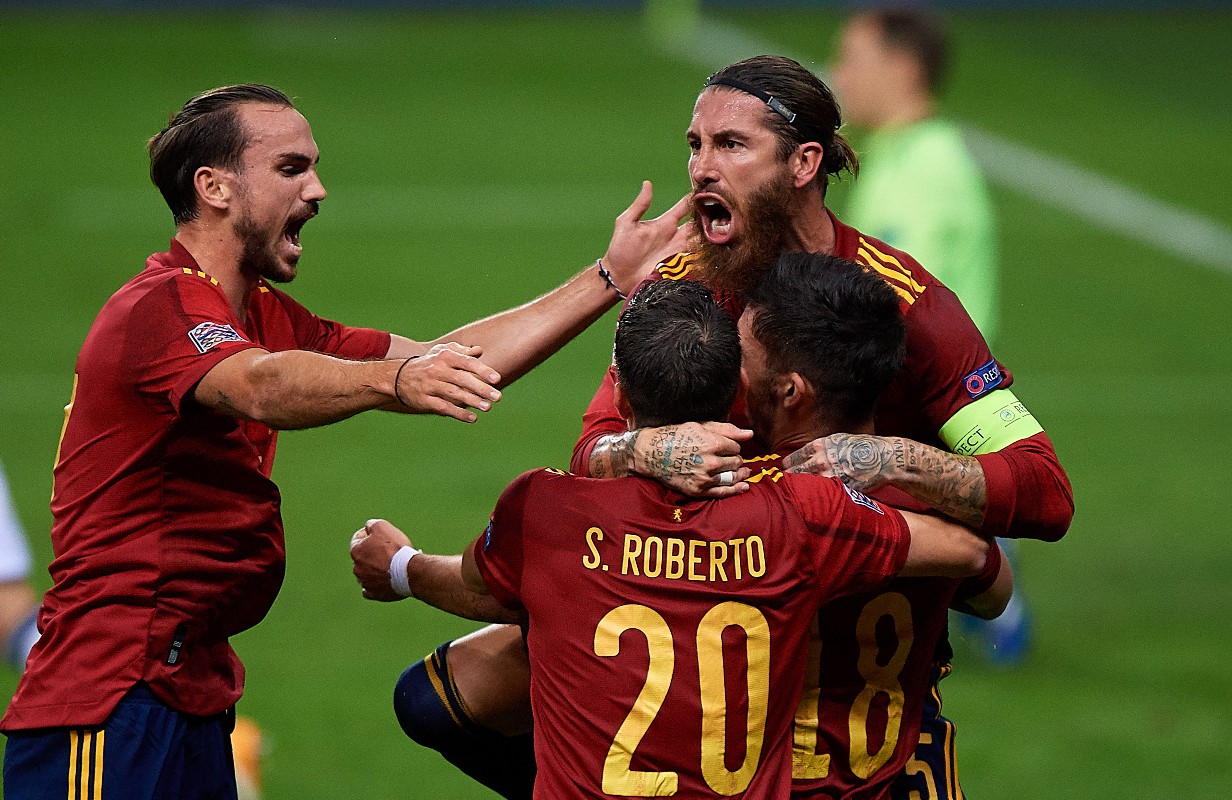
The most striking feature of Spanish football is its refined technique focusing on possession play. This style was not formed overnight but nurtured over decades. From Barcelona’s Dream Team to Real Madrid’s Galácticos and now to various national teams, Spanish players generally exhibit excellent ball skills and tactical literacy. They emphasize team cooperation and ball control rather than just physical confrontation.
Well-developed Youth Training Systems
The key to Spanish football’s success lies in its comprehensive youth training systems. Starting from age six, children can join youth academies of major clubs. These academies not only focus on technical training but also, more importantly, on cultivating players’ football intelligence and tactical understanding. Barcelona’s La Masia academy and Real Madrid’s Castilla youth system are world-renowned talent nurseries.
| Famous Youth Academy | Representative Players | Distinctive Style |
|---|
| La Masia | Messi, Iniesta, Xavi | Possession-based, refined technique |
| Castilla | Raúl, Casillas, Morata | Well-rounded development, high adaptability |
| Atlético Youth | Torres, Saúl, Koke | Strong tactical discipline |
Improvement of League Level
La Liga, as one of the world’s top leagues, provides Spanish players with a high-quality competitive platform. The league not only features giants like Real Madrid and Barça but also strong teams like Atlético Madrid, Sevilla, and Villarreal. This intense competitive environment drives players to continuously improve, while also giving young talents more opportunities to showcase their skills, as seen in Spanish football level.
Unified Tactical Philosophy
From clubs to the national team, Spanish football maintains a high level of tactical consistency. Whether it’s Barcelona’s tiki-taka or the national team’s possession football, the core idea is to control the game rhythm through precise passing and movement. This unified philosophy allows players to adapt quickly when transitioning between different levels, forming a distinctive Spanish football culture.
Spanish football’s success is not accidental but the result of years of accumulation. From the complete youth training systems to a high-level professional league, from unified tactical ideas to a profound football culture, every stage is indispensable. As fans, we should not only appreciate the beauty of Spanish football but also learn from the success experiences behind it.
