As a football enthusiast living in Spain for many years, I have found that one of the most interesting phenomena in Spanish football culture is the nicknames of the players. These nicknames are not only catchy but also carry deep cultural significance and emotional attachment from the fans. Today, let’s talk about some of the classic nicknames of Spain’s football legends.
Classic Nicknames of Real Madrid Legends
Raúl González is known as “El Angel de Madrid”, a nickname that perfectly illustrates his status at Real Madrid. As a native Madrilenian, Raúl embodied what it means to be a “one-club man” with his loyalty and skill. Meanwhile, goalkeeper Iker Casillas earned the nickname “San Iker”, reflecting fans’ reverence for his miraculous saves.
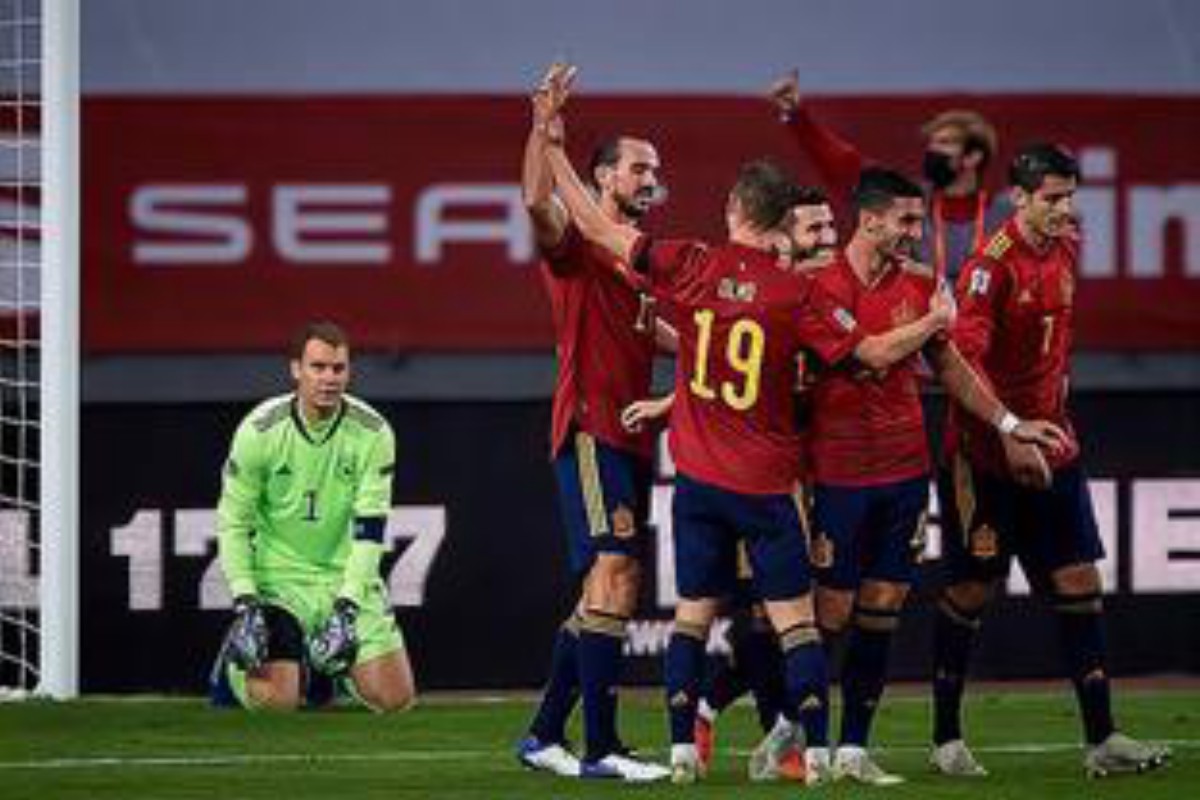
Another Real Madrid legend, Fernando Hierro, was called “El León de Málaga”, a nickname that highlights both his bravery and pride in his Málaga roots.
Poetic Nicknames of Barcelona’s Golden Generation
Barcelona players often carry more poetic nicknames. Xavi Hernández is honored as “El Cerebro”, a nickname that precisely captures his role on the pitch. His teammate Andrés Iniesta is called “El Ilusionista”, describing his magical dribbling and passing skills.
| Player Name | Nickname | Meaning |
|---|
| Xavi | El Cerebro | The Brain, the team’s central command |
| Iniesta | El Ilusionista | The Illusionist, known for elegant skills |
| Puyol | El Tiburón | The Shark, fierce defender |
| Villa | El Guaje | The Kid, in Asturian dialect |
The New Generation of Modern Spanish Football
The new generation of Spanish stars has more internationally flavored nicknames. David Silva is known as “El Mago”, a nickname that became widely known during his time at Manchester City. Meanwhile, Sergio Ramos carries the nickname “El Capitán”, reflecting his leadership qualities. Although simple, this nickname embodies countless honors and responsibilities.
It is worth noting that some nicknames also carry clear regional characteristics. For instance, players from Andalusia often receive nicknames associated with “The Bullfighter”, whereas Basque players’ nicknames tend to reflect the toughness characteristic of that region.
The Cultural Code Behind Nicknames
These nicknames are not just simple monikers but an important part of Spanish football culture. They reflect Spaniards’ understanding of football, their admiration for technique, and the appreciation of individuality as showcased by football stars heading to Spain.Each nickname tells a story, and every story carries a piece of football history.
As fans of Spanish football legend Raúl, when we use these nicknames, we are also passing on a culture. Whether cheering “San Iker” from the stands or discussing “El Cerebro’s” passes in a bar, these nicknames have become part of how many jersey numbers famous Spanish footballers have our football language, connecting fans across generations and linking us to cherished football memories.
