Panorama of the Spanish Football League
As a fan who has lived in Spain for five years and follows the Spain Men’s National Football Team, I want to share my in-depth observations of the Spanish football league. From Madrid’s Bernabéu to Barcelona’s Camp Nou, from top-tier La Liga to grassroots regional leagues, the charm of Spanish football far exceeds our imagination.
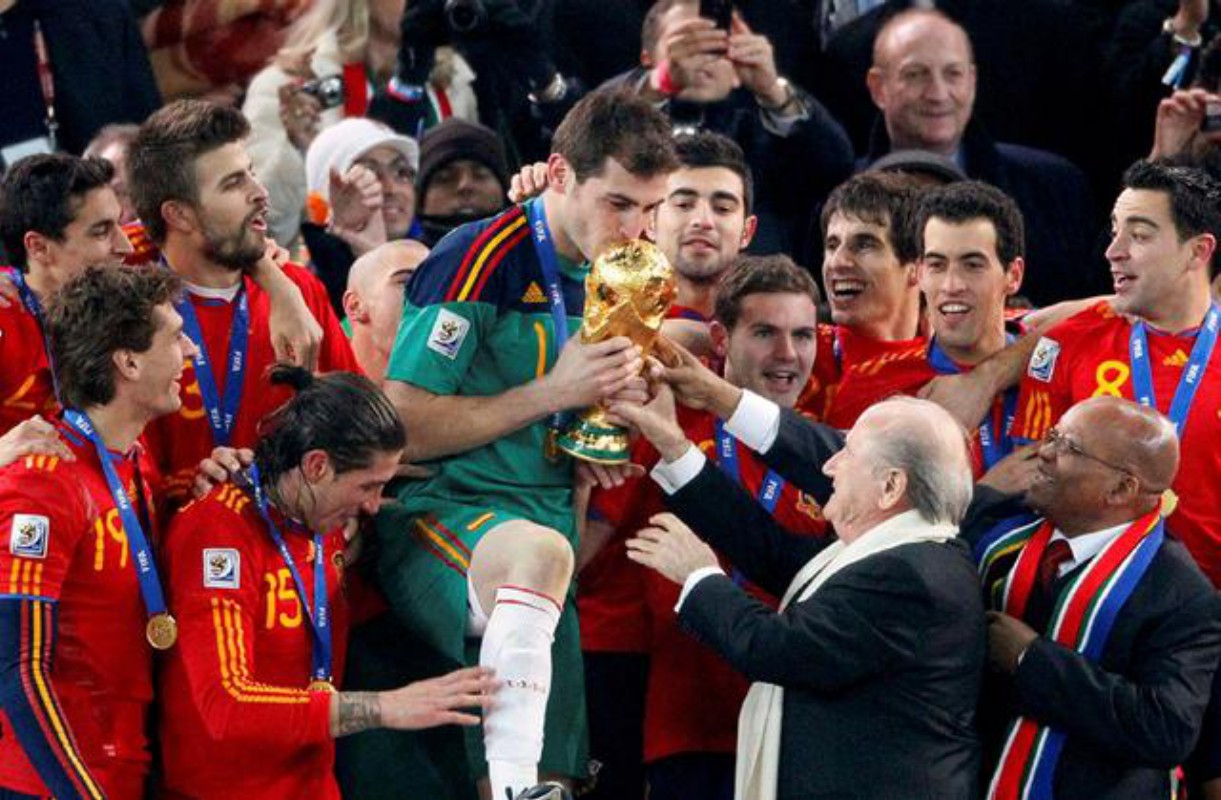
The Unique Charm of La Liga
The Spanish La Liga is undoubtedly one of the most entertaining leagues in the world. The century-old derby between Real Madrid and Barcelona is always the focus of global fans, while teams like Atlético Madrid, Sevilla, and Villarreal have risen to intensify league competition. This season’s standings have been a rollercoaster ride, and no team can afford to be complacent.
| Team | Points | Ranking |
|---|
| Real Madrid | 45 | 1 |
| Barcelona | 42 | 2 |
| Atlético Madrid | 38 | 3 |
| Sevilla | 35 | 4 |
The Brutality and Opportunity of Promotion and Relegation
The promotion and relegation system in Spanish football is known as one of the most intense competitions. The last three rounds of La Liga each year feature thrilling battles to avoid relegation and secure European competition spots. In the Segunda División, the top two teams are directly promoted to La Liga, while teams ranked 3rd to 6th compete in playoffs for the final promotion spot. This system ensures every match is full of suspense, with no dead rubber matches ever.
Youth Training System and Player Development
One of the most commendable aspects of Spanish football is its well-established youth training system. From La Masia to Cantera, major clubs invest heavily in nurturing young players. I often see children around age 10 training professionally at local academies, and their technical skills are already impressive. These youth academies have not only produced countless Spanish internationals but also supplied many top talents to world football.
Transfer Market and Financial Fair Play
In recent years, Spanish football has shown a rational and pragmatic approach to the transfer market. Due to financial fair play restrictions, clubs are more cautious with signings. Barcelona’s financial crisis highlights the consequences of overspending, while Real Madrid’s stable management is a model for other teams. This shift means La Liga’s competitiveness increasingly relies on tactical sophistication and player development instead of just financial power.
The original intention of writing this article is to help more friends interested in the Spanish Men’s National Football Team Rankings better understand the real face of Men’s Football Leagues in Spain. Whether you are a Real Madrid supporter or a Barcelona fan, or back other teams, the Spanish football league offers endless fun and topics. Looking forward to everyone sharing their views and experiences in the comments section!
