While recently organizing some old photos, I stumbled upon a collection of 1950s Spanish football magazines preserved by my grandfather, which sparked my strong interest in the football stars of that era. Today, I want to share what I learned about the legendary figures of Spain’s 1950s golden football era from celebrity evaluations of the Spanish national football team.
The Arrival of Alfredo Di Stéfano Changed Everything
When talking about Spanish football in the 1950s, the Argentine star Di Stéfano’s joining Real Madrid in 1953 cannot be overlooked. This player, praised as the “Soul of the White Squad”, was virtually unbeatable in that era. Not only was his technique all-rounded, but his arrival also marked the beginning of the Real Madrid dynasty. From 1953 to 1964, Di Stéfano helped Real Madrid win the European Cup five consecutive times, a record that remains astonishing to this day.
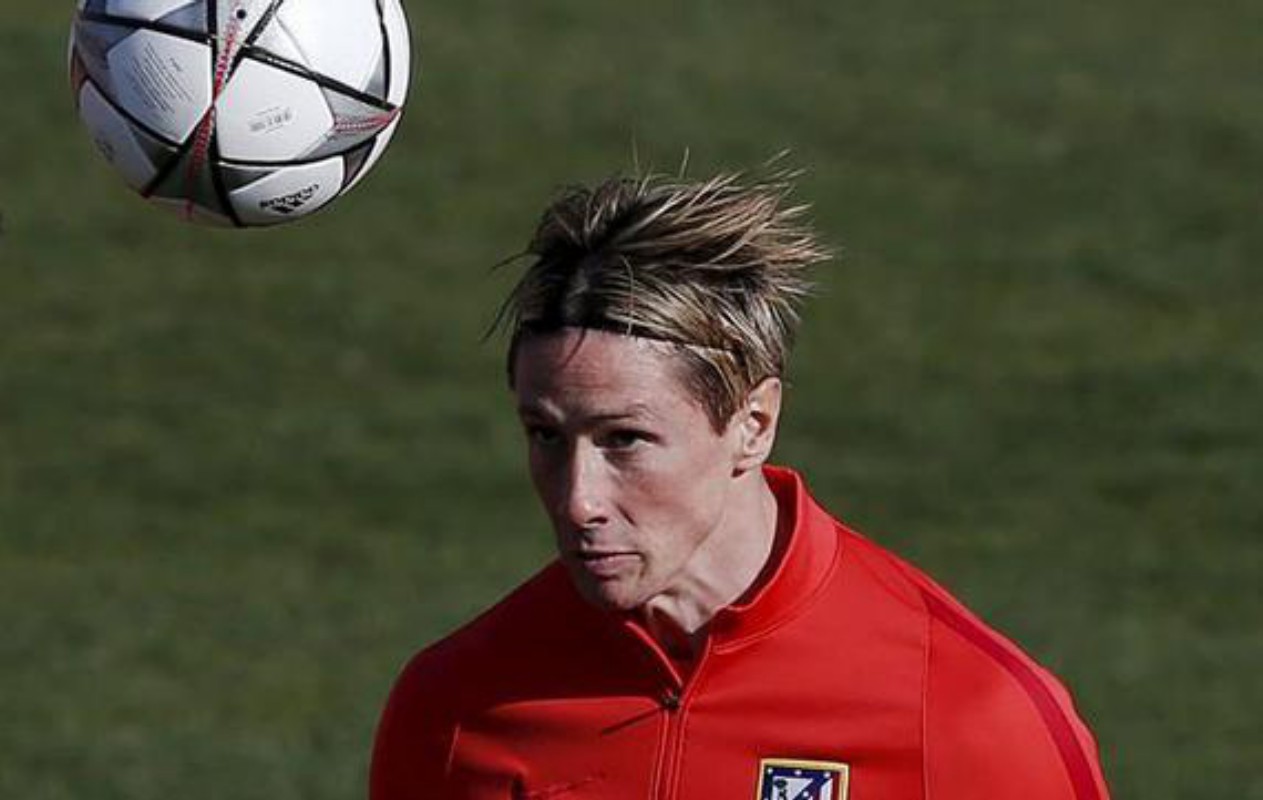
The Rise of Local Heroes
Although foreign players were eye-catching, the 1950s were also a period when local Spanish players shone brilliantly. Francisco Gento was a standout among them, Real Madrid’s speedy right winger, nicknamed “The Storm” by fans. Also noteworthy is Barcelona’s Ladislao Kubala, who, although Hungarian by origin, became a hero in the hearts of Catalans during his time with Barça.
Football Data Comparison of That Era
Let’s take a look at the statistical comparison of some top football stars of the 1950s as shown by Spanish football team star rankings:
| Player Name | Team | Goals Scored | Major Honors |
|---|
| Di Stéfano | Real Madrid | 267 | 5-time European Cup Champion |
| Kubala | Barcelona | 194 | 4-time La Liga Champion |
| Gento | Real Madrid | 182 | 6-time European Cup Champion |
Evolution of Football Style
Spanish football in the 1950s retained many traditional characteristics. Matches then had a relatively slower pace, focusing more on technique and tactical coordination. Players were generally not very tall but had refined skills, which laid the foundation for the later development of Spain’s tiki-taka possession football. At that time, although the rivalry between Real Madrid and Barcelona was already forming, the overall competitive environment was still relatively straightforward.
Legacy and Heritage of the Era
Looking back at Spanish football in the 1950s, it was a crucial transitional period. The legendary players not only created brilliance on the field but, more importantly, brought an international dimension to Spanish football. From Di Stéfano’s versatile playing style to Kubala’s creativity, these elements have been inherited and developed in later Spanish football.
Perhaps it is thanks to the efforts of these pioneers in the 1950s that the handsomest male Spanish football stars enjoy their status in today’s world football scene. As a football enthusiast, I find that understanding this history helps to grasp the developmental trajectory of modern Spanish football. Do you have any memorable stories from football in that era? Feel free to share and discuss!
