I recently watched several matches of Spain’s youth teams and was truly impressed by the performances of these young players. As a longtime fan living in Spain and a member of the Spanish Football Prodigy Team, I want to share how this country develops football prodigies.
The Unique Charm of Spain’s Youth Development System
Spain’s football youth development system is arguably one of the most successful worldwide. From Barcelona’s La Masia to Real Madrid’s youth academy, and the many local club academies, the country boasts a comprehensive talent cultivation chain. Technical excellence is the core philosophy of Spanish football. From the moment young players start training, coaches emphasize the importance of footwork skills and tactical understanding.
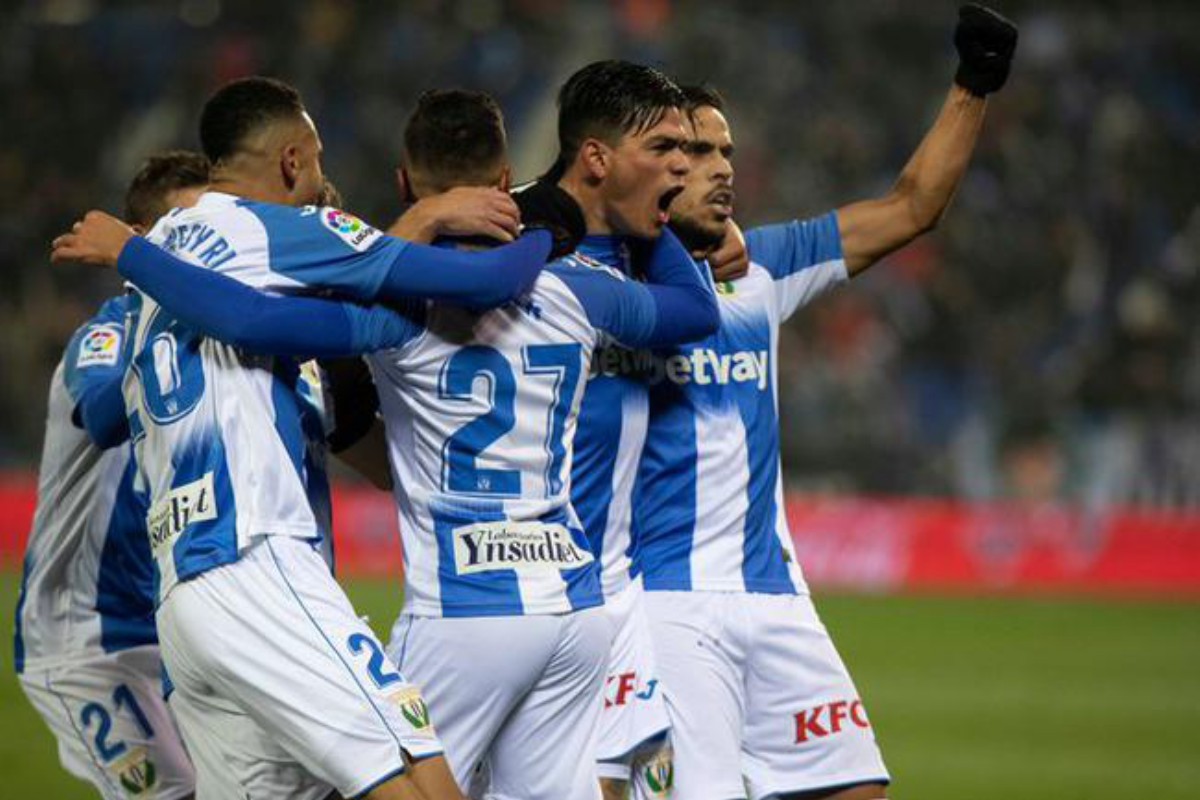
Overview of Contemporary Spanish Football Rising Stars
Let’s take a look at some of the most noteworthy football prodigies currently in the Spanish Prodigy Football Team Roster:
| Player Name | Age | Position | Club |
|---|
| Pedri | 21 | Midfielder | Barcelona |
| Gavi | 19 | Midfielder | Barcelona |
| Ansu Fati | 21 | Forward | Brighton |
| Ferran Torres | 24 | Winger | Barcelona |
These players share a common trait: they have undergone systematic training within Spain’s youth system since a young age, possess solid technical skills, and have a high tactical literacy. Especially Pedri and Gavi, who have managed to establish themselves at a top club like Barça at such a young age, which is truly remarkable.
Youth Training Philosophy: Balancing Technique and Intelligence
The biggest characteristic of Spanish football youth development is that they do not rush results. While other countries might focus more on physical confrontation and speed, Spanish coaches prefer to invest time nurturing players’ technical details and football IQ. I once observed training at a youth club in Madrid where 10-year-olds practiced complex passing combinations; this patience and professionalism is admirable.
In Spain, youth coaches are highly qualified. Many retired professional players choose to dedicate themselves to youth training, offering not only technical coaching but, more importantly, a deep understanding of football. This heritage-style education ensures that the philosophy of Spanish football is passed down through generations.
Family and Social Support System
Besides professional club training, Spanish society strongly supports young players. The government invests heavily in sports education, and many public schools have excellent football facilities. Moreover, the Spanish Prodigy Football Team Head Coach and Spanish parents generally have a progressive attitude toward children playing football; they prefer that kids learn football happily rather than face too much pressure.
I know a neighbor whose son plays in a local youth academy. Although the boy’s talent is average, the parents never blame him if he doesn’t perform well; instead, they encourage him to enjoy the joy that football brings. This healthy football culture atmosphere creates fertile ground for the emergence of prodigious players.
