Analysis of Spanish Football Playing Style
As a fan who has lived in Spain for many years, I would like to share my observations and understanding of the Spanish football playing style. Spanish football has a unique tactical style that is reflected not only at the national team level but also deeply influences football philosophies across various club levels.
Possession and Passing-Centered Technical School
The most prominent feature of Spanish football is the ultimate pursuit of precise passing and ball control. From youth training, Spanish players are required to master accurate passing techniques and excellent ball skills. This technical style emphasizes controlling the game’s tempo through continuous short passing combinations, as described in Spanish Football Characteristics, rather than relying on long balls or physical confrontations. During training, coaches demand players complete passes within tight spaces, which develops their technical handling under high pressure.
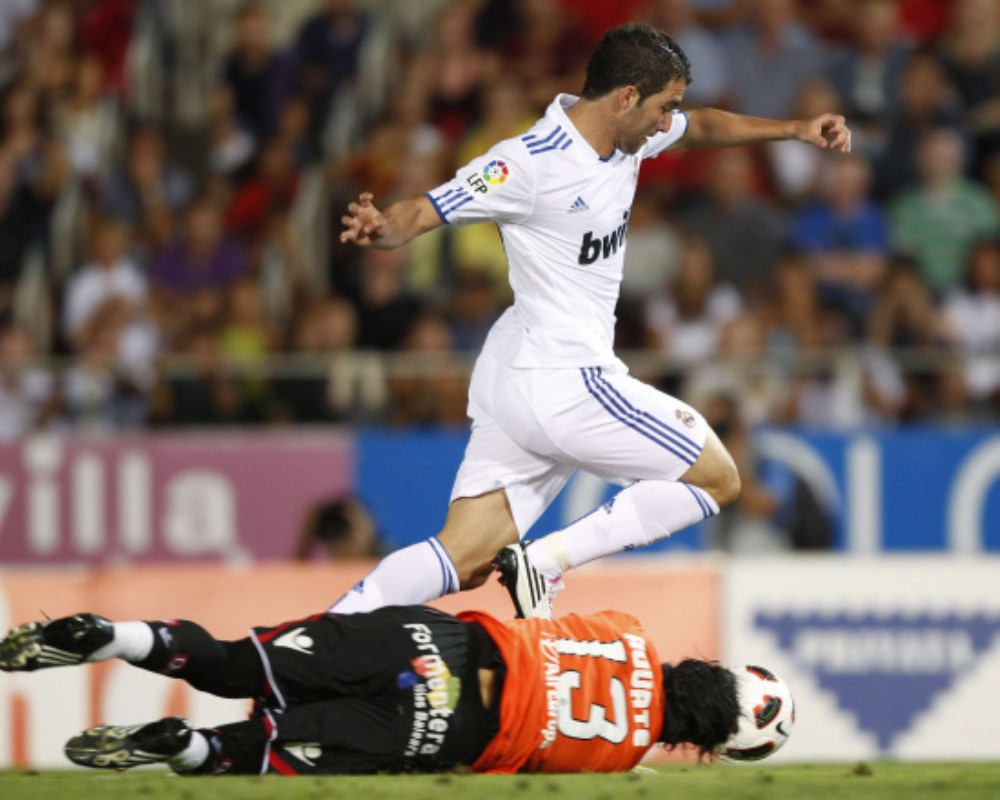
Essence of the Tiki-Taka Tactical System
The term tiki-taka has become synonymous with Spanish football. The core idea of this style is to break opponents’ defenses through Spanish Football Youth Development Characteristics fast short passes and movement off the ball. Players need to have a high tactical understanding and strong team coordination. In this system, every player acts as both a passer and receiver, forming a complete passing and possession network. It is common to see Spanish teams string together 20-30 consecutive passes without losing possession, which is the charm of the tiki-taka tactic.
| Tactical Elements | Specific Manifestations | Key Requirements |
|---|
| Possession Rate | Usually over 60% | Accurate Passing |
| Number of Passes | More than 600 per match | Quick Decision-Making |
| Off-the-ball Movement | Frequent position rotations | Team Coordination |
| Pressing | High pressing | Excellent Fitness |
Technical Foundation of Youth Training System
The foundation of Spanish football’s success lies in a well-established youth training system. From La Masia to Real Madrid’s academy, these institutions focus on cultivating players’ technical foundations and tactical understanding. Young players receive formal football education from an early age, learning how to perform in various positions. This development model has produced world-class midfielders like Xavi, Iniesta, and Busquets, all possessing excellent passing vision and game reading ability.
Evolution of Modern Spanish Football
Although possession football remains a hallmark of Spain, modern Spanish teams have incorporated tactical innovations. Pure tiki-taka is no longer the only option; teams have started integrating more direct attacking elements and quick counterattacks. The new generation of players such as Pedri and Gavi maintain traditional technical strengths while also demonstrating stronger individual dribbling skills and shooting threats. This evolution has increased the diversity and efficiency of Spain’s attack while preserving their possession advantage.
After years of observation, I believe Spain’s football success lies not only in its unique tactical style but also in its commitment to football philosophy and heritage. Regardless of football trends, Spain consistently adheres to a technique-based development path, which is a key reason they maintain competitiveness at the global level. I hope this analysis helps everyone better appreciate the charm of Spanish football.
