Recently, while watching La Liga matches, I developed a strong interest in the crests of various teams. As a fan who has lived in Spain for many years, today I want to share some of my understanding and discoveries about the meaning behind Spanish football crests.
Royal Heritage of the Spain National Team Crest
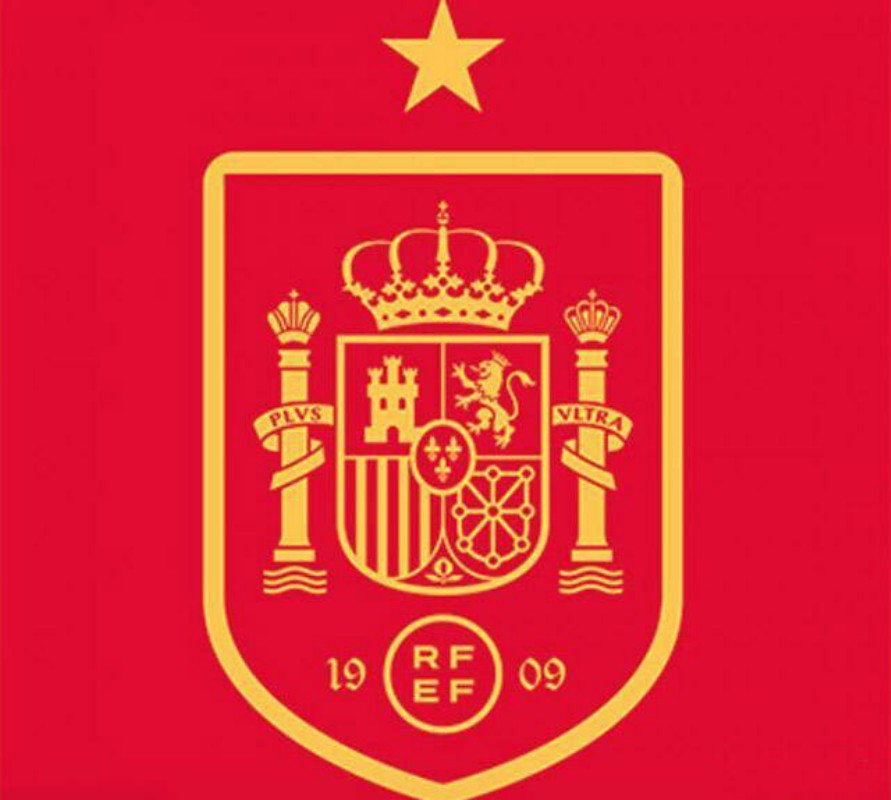
The design of the Spain national team crest is quite fascinating, featuring the shield emblem of the Spanish monarchy. The red and yellow combination originates from the traditional colors of the Kingdoms of Aragon and Castile, whose union laid the foundation of modern Spain. The crown on the crest symbolizes the monarchical tradition, while the castle and lion patterns within the shield carry deep historical roots.
Regional Characteristics of Major Club Crests
Talking about club crests, one must mention the two giants: Real Madrid and Barcelona. Real Madrid’s crest features the “Real” inscription, meaning “Royal” in Spanish, reflecting the team’s historical ties with the monarchy. Meanwhile, Barcelona’s crest incorporates traditional elements of the Catalonia region; the blue and red stripes represent the colors of the Catalan flag, and the cross symbolizes Saint George, the patron saint of Catalonia, as referred to in the Spain football team crests.
Below is a comparison of key elements of major Spanish football club crests:
| Club | Primary Colors | Core Elements | Cultural Significance |
|---|
| Real Madrid | White, Gold | Crown, letter M | Royal tradition, Madrid city |
| Barcelona | Blue, Red | Cross, stripes | Catalan cultural identity |
| Sevilla | Red, White | City coat of arms | Andalusian regional traits |
| Villarreal | Yellow | Submarine | City’s nickname “Yellow Submarine” |
Religious Cultural Elements in Crest Designs
Spain’s deeply rooted Catholic tradition is reflected in many football crests. For example, Sevilla’s crest features the letters “SFC” divided by a cross, and Athletic Bilbao’s crest also includes a cross symbol. These designs highlight the significant role of religious faith in Spanish society; although the influence of religion is diminishing in modern times, these traditional symbols remain important parts of the teams’ historical and cultural identity.
The Social Changes Reflected in Crest Evolution
Interestingly, many Spanish football crests have undergone historical changes. During Franco’s dictatorship, some teams were forced to modify their crest designs by removing elements perceived as separatist. For instance, Barcelona had to simplify its crest during that era and only readopted the full traditional crest after the return of democracy.
The history of these crest changes essentially mirrors Spain’s modern history, revealing the profound impact of political environment on cultural expression. Younger fans today might not be very familiar with this history, but for those of us who lived through that transitional period, every crest tells countless stories.
