As a football fan who has lived in Spain for five years, I have found that Spanish football culture is not only reflected in exciting matches on the pitch but is deeply embedded in everyday language. Today, I want to share some fascinating linguistic phenomena from Spanish football culture.
The Clever Use of Football Terms in Daily Conversations
Spanish people often incorporate football terminology into everyday life. For example, when someone performs well, they say “Está en racha,” or when describing a clever person, they use “Tiene mucha técnica.” These expressions fill regular conversations with the passion of football. The most interesting thing is that when Spaniards want to express “messing up,” they say “La cagó,” a term frequently heard in football commentary.
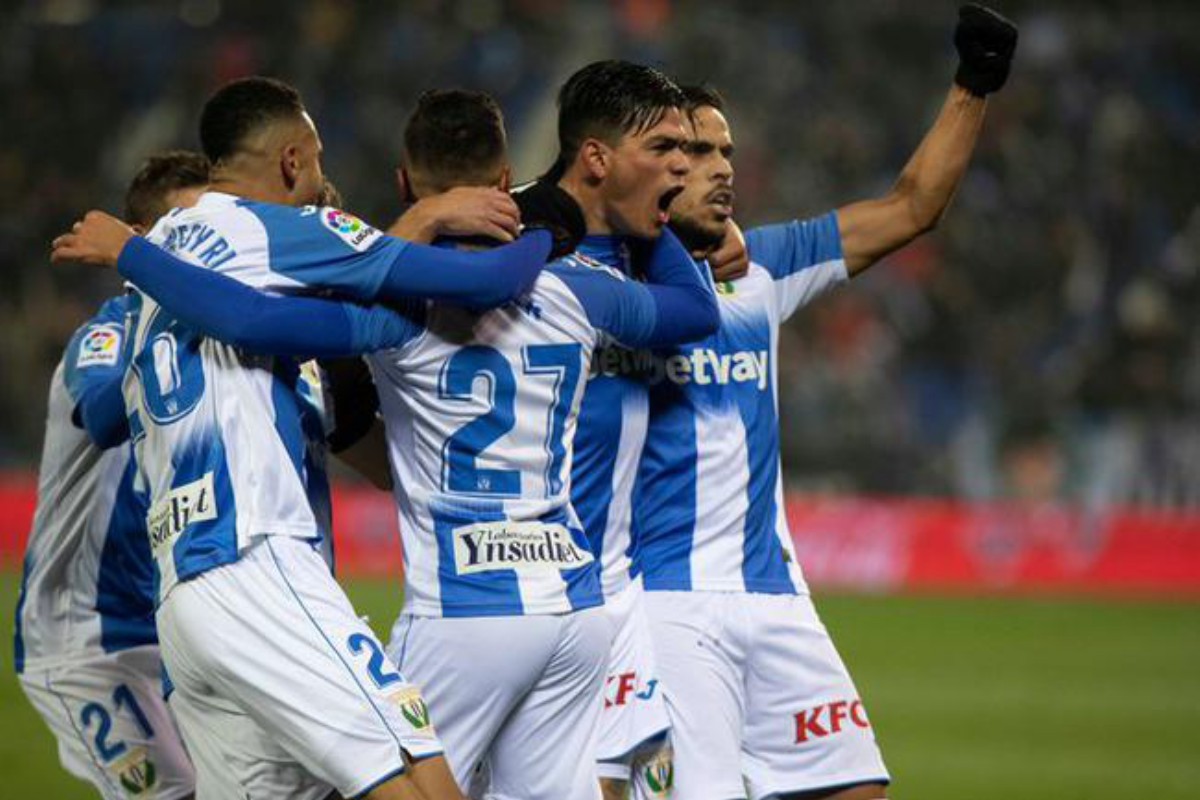
Football Flavors in Regional Dialects
Different regions of Spain show variation in football expressions. In Catalonia, people tend to use Catalan to discuss Barça, while in Andalusia, local dialects make football conversations more vivid. Regional football slang reflects a strong sense of local identity.
Below is a table of common Spanish football terms and their uses:
| Spanish Term | English Meaning | Usage Scenario |
|---|
| Golazo | Spectacular Goal | To praise a great goal |
| Chilena | Bicycle Kick | To describe a skillful move |
| Panenka | Chip Penalty Kick | Penalty kick technique |
| Rabona | Cross-legged Shot | Fancy trick move |
The Artistic Charm of Football Commentary
Spanish football commentators are famous for their overflowing passion. The iconic “GOOOOOL” is not only a celebration of a goal but also an emotional release. Commentators often use poetic metaphors, comparing players to “artists” or “magicians”. Their style of commentary has influenced football expression throughout the Spanish-speaking world.
New Changes in the Era of Social Media
With the rise of social media, younger Spanish fans have created many new online expressions. For instance, “CR7” represents anyone performing excellently, or “Messi” is used to describe a genius in a particular field. Traditional football terms are blending with internet culture, giving rise to interesting linguistic changes.
The linguistic phenomena in Spanish football culture reflect the country’s profound love for the sport. Whether passionately discussing matches in bars or reminiscing about classic moments at family gatherings, football language is an important vehicle for emotional expression in Spain. This unique cultural phenomenon deserves in-depth exploration by anyone learning Spanish or interested in the Spanish football culture and Spanish culture.
