Spain and Croatia: Two Football Powerhouses with Different Paths
Lately, while watching European football matches, I can’t help but compare Spain and Croatia, two football powerhouses. Having lived in Spain for many years as a fan, I have observed that although both countries are top in European football, their developmental paths are distinctly different, making this an insightful topic to explore.
Comparing Football Cultural Backgrounds
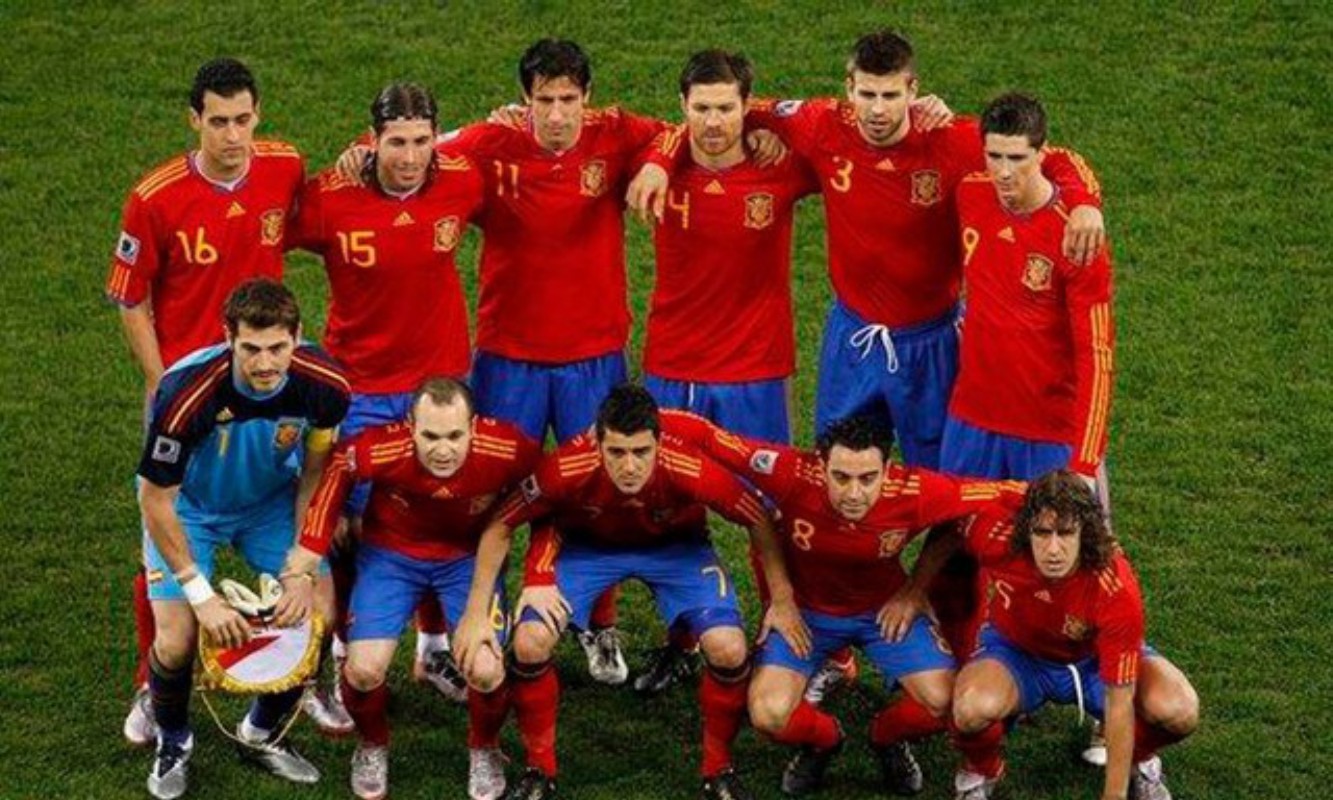
Spanish football culture runs deep, with kids starting football early, seen playing everywhere in streets and neighborhoods. The possession-based football philosophy is ingrained in every Spanish player’s blood, and this technical style is globally recognizable. Croatia, with a population of around 4 million, boasts extraordinary football talent, especially strong in midfield organization and creativity.
Croatian football reflects the resilience characteristic of the Balkan Peninsula, with players known for their strong desire to win and fighting spirit. Modrić, Rakitić, and Kovačić are prominent figures in European football, and their success has inspired many Croatia Spain football team young players.
Differences in Youth Training Systems
| Country | Youth Training Features | Representative Academies | Focus of Development |
|---|
| Spain | Technique-first | La Masia, Valdebebas | Possession, teamwork |
| Croatia | All-round development | Dinamo Zagreb | Creativity, mental toughness |
Spain’s youth training system is more systematic and large-scale. Barcelona’s La Masia academy is hailed as a cradle of world football talent. Real Madrid’s Valdebebas base has also produced numerous world-class stars. These training institutions emphasize not only technical skills but also football intelligence and tactical awareness.
Croatia’s youth training resources are more limited but of high quality. Clubs like Dinamo Zagreb, while smaller in scale, consistently supply talent to Europe’s top five leagues. Limited funding actually pushes Croatia to focus more on uncovering player potential and cultivating versatile skills.
International Performance Comparison
Looking at international tournaments, Spain’s achievements are undoubtedly more glorious. Between 2008 and 2012, Spain completed a historic treble by winning the European Championship–World Cup–European Championship consecutively, creating a legendary football feat unmatched to this day, showcasing Spain’s profound football foundation.
Though Croatia hasn’t claimed a championship title, their performances in major competitions are equally admirable. Runners-up in the 2018 World Cup, third place in the 2022 World Cup, along with several strong European Championship showings, prove that this small nation’s football strength cannot be underestimated. Especially notable is their performance in adversity, where Croatian players exhibit resilience and unity that deeply touch football fans worldwide.
As a long-time follower of football development in both countries, I believe Spain and Croatia represent two distinct European football development models. Spain relies on a refined system and deep football culture, while Croatia depends on outstanding individual talent and a tough, fighting spirit. Both models are worth learning from and contribute valuable experiences to the diverse development of world football.
