As a football enthusiast who has lived in Spain for many years, I want to share an in-depth observation of the Spanish football world. Here, not only are there world-class clubs, but there is also a deep-rooted football culture.
The Glorious History of Top Clubs
When it comes to Spanish football, Real Madrid and Barcelona are definitely unavoidable topics. These two teams not only dominate European competitions but also represent different cultural ideals. Real Madrid symbolizes royal tradition and elegant style, while Barça reflects Catalonia’s independent spirit. Aside from these two giants, teams like Atlético Madrid, Sevilla, and Villarreal have also achieved remarkable results in European competitions, showcasing the overall strength of Spanish football.
Typical Representatives of Technical Football
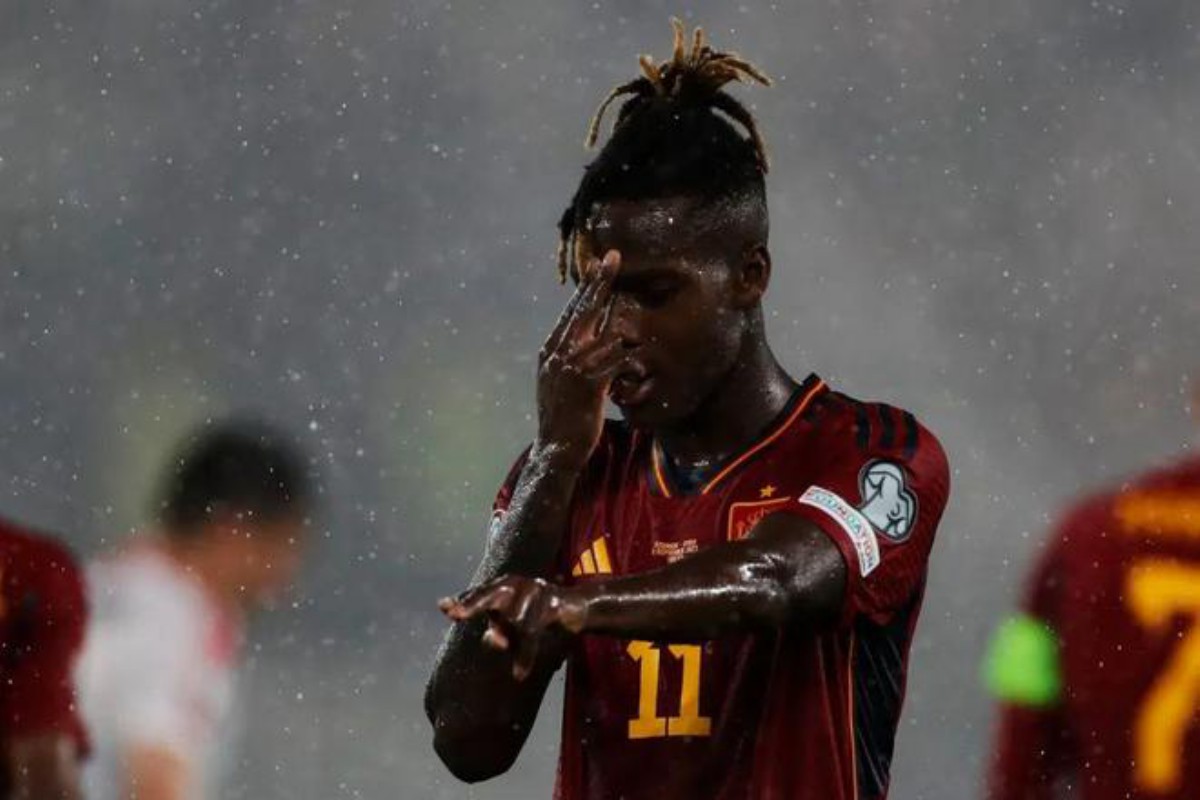
Spanish football is famous for its exquisite technique and fluid possession play. From Guardiola’s era at Barça to the Spanish national team’s tiki-taka tactics, this football philosophy is evident. Players receive rigorous technical training from a young age, focusing on ball skills and teamwork. This style is not only beautiful to watch but also very effective for the FC Barcelona football club.
Below are the La Liga champions from the past five seasons:
| Season | Champion Team | Points |
|---|
| 2019-20 | Real Madrid | 87 |
| 2020-21 | Atlético Madrid | 86 |
| 2021-22 | Real Madrid | 86 |
| 2022-23 | Barcelona | 88 |
| 2023-24 | Real Madrid | 95 |
Successful Youth Training System
Spanish clubs’ youth training systems are world-renowned models. The traditional rote training has long been replaced by scientific and personalized development programs. Barça’s La Masia academy has produced legendary stars like Messi, Xavi, and Iniesta, and Real Madrid’s Castilla has also developed numerous top talents. These academies focus not only on tactical and technical training but also emphasize character education.
The Thriving Grassroots Football
In the streets and alleys of Spain, children playing football can be seen everywhere. Community football pitches and school playgrounds are stages for them to showcase their talents. The government and football associations invest heavily in infrastructure, enabling children from ordinary families to access professional training. This bottom-up football passion is the fundamental reason why Spanish football remains strong.
Spanish football culture has deeply integrated into various aspects of social life, from intense debates in bars to match reviews during family dinners. Football has become an important bond for emotional communication. This is probably why Spain maintains such a significant position in the world football scene.
